Key takeaways
- VRAM: Aim for at least 6GB, ideally 8GB, so modern textures and future titles don’t overwhelm the memory buffer at 1080p.
- New vs. used-generation: Newer cards add features like DLSS and better efficiency; older cards can offer more raw VRAM per dollar if you skip those extras.
- Power and PSU: Check the recommended power supply and available connectors, as budget cards vary from ultra-efficient to needing an 8-pin.
- Upscaling support: DLSS on NVIDIA and FSR on AMD stretch performance meaningfully, so factor in which ecosystem a card supports.
- Physical fit: Confirm length and slot width against your case, especially for compact or dual-fan designs.
What's inside
1080p remains the most popular gaming resolution in the world, and for good reason: it’s the sweet spot where affordable graphics cards deliver high frame rates without breaking the bank. Whether you’re building a first gaming PC or refreshing an aging rig, the right 1080p GPU gets you smooth, great-looking gameplay for a sensible price.
The catch is that “1080p card” spans everything from bargain last-gen options to efficient new releases, and value varies enormously. We rounded up the standout choices for 1080p gaming to help you match the right card to your budget and the games you actually play.
As an Amazon Associate we earn from qualifying purchases.




🎮 Get More From Your Setup — Free
Prime Gaming gives you free PC games every month, in-game loot, and a free Twitch channel sub — plus fast free shipping on all the gear above. New members get a 30-day free trial.
Watch: Best Graphics Card For 1080p — Video Review
How to Choose a 1080p Graphics Card
- VRAM: Aim for at least 6GB, ideally 8GB, so modern textures and future titles don’t overwhelm the memory buffer at 1080p.
- New vs. used-generation: Newer cards add features like DLSS and better efficiency; older cards can offer more raw VRAM per dollar if you skip those extras.
- Power and PSU: Check the recommended power supply and available connectors, as budget cards vary from ultra-efficient to needing an 8-pin.
- Upscaling support: DLSS on NVIDIA and FSR on AMD stretch performance meaningfully, so factor in which ecosystem a card supports.
- Physical fit: Confirm length and slot width against your case, especially for compact or dual-fan designs.
The Best 1080p Graphics Cards Reviewed
GIGABYTE RTX 5060 Gaming OC 8G
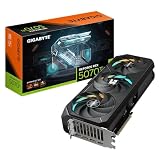
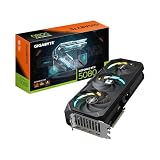
The newest option here, GIGABYTE’s RTX 5060 pairs 8GB of GDDR7 and PCIe 5.0 with DLSS 4 support and a WINDFORCE cooler. It’s the most future-proof pick for 1080p, delivering high frame rates and modern features that older cards can’t touch, making it the standout for buyers who want longevity.
MSI RTX 3050 Ventus 2X 6G
MSI’s compact 3050 offers 6GB of GDDR6 and NVIDIA’s feature set, including DLSS, in a small dual-fan design. It’s a dependable, efficient choice for solid 1080p play in most titles, and its modest size and power draw make it easy to drop into a budget or small-form-factor build.
ASUS Dual RTX 3050 6GB OC
ASUS’s take on the 3050 adds Axial-tech cooling, a steel bracket, and a clean two-slot design. With HDMI 2.1 and DisplayPort 1.4a plus DLSS support, it’s a well-built, quiet card for reliable 1080p gaming and a strong pick if you value cooler, sturdier hardware.
RX 580 8GB / RX 590 8GB
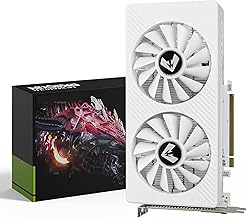
These AMD cards, like the MOUGOL RX 580 and the RX 590 2304SP, deliver a generous 8GB of GDDR5 at rock-bottom prices. They remain capable 1080p performers in many games and offer the most VRAM per dollar, ideal for budget builders who prioritize raw memory over the latest features.
NVIDIA GTX 1080 8GB
A former flagship, the GTX 1080 with 8GB of GDDR5X still handles 1080p gaming well and can be a savvy renewed buy. It lacks modern upscaling, but its raw horsepower and ample VRAM keep it relevant for players hunting a high-value used-generation card.
Frequently Asked Questions
How much VRAM do I need for 1080p gaming?
6GB is the practical minimum today, but 8GB is the safer choice for modern titles with high-resolution textures and gives you more headroom for the next few years of games.
Is a new RTX 5060 better than a cheaper older card?
For longevity and features like DLSS 4, yes. Older cards like the RX 580 or GTX 1080 offer more VRAM or raw power per dollar, but they miss modern upscaling and efficiency gains.
Do I need DLSS or FSR for 1080p?
They’re not essential at 1080p but very helpful, boosting frame rates in demanding games and extending a card’s useful life. NVIDIA cards use DLSS; AMD and many others support FSR.
Will these cards run esports titles at high frame rates?
Yes. All of these comfortably drive popular competitive games at high frame rates on 1080p, making any of them a solid match for a high-refresh 1080p monitor.
Final Thoughts
The best 1080p graphics card depends on your priorities: for the most future-proof, feature-rich pick, the GIGABYTE RTX 5060 leads, while the MSI and ASUS RTX 3050 models offer dependable, efficient value. Budget builders chasing maximum VRAM per dollar should eye the RX 580 or a renewed GTX 1080. Decide between modern features and raw value, match the card to your PSU and case, and 1080p gaming stays wonderfully affordable.