Key takeaways
- Unmatched 4K and 8K performance with room to spare.
- 32GB GDDR7 excels at creative and AI tasks.
- DLSS 4 for major frame-rate improvements.
- Prebuilt or DIY paths to fit different buyers.
What's inside
A GeForce RTX 5090 computer sits at the summit of what’s possible in a consumer machine. Whether you buy a complete tower or the graphics card to install yourself, the 5090’s 32GB of GDDR7 and enormous compute deliver effortless 4K gaming, 8K capability, and creative performance that shrugs off workloads that would cripple lesser hardware.
This review covers both ways to build a 5090 machine, turnkey prebuilt desktops from HP, ZOTAC, and Velztorm, plus the standalone Gigabyte Gaming OC card, so you can weigh convenience against flexibility and match a system to your budget and technical comfort.
As an Amazon Associate we earn from qualifying purchases.


🎮 Get More From Your Setup — Free
Prime Gaming gives you free PC games every month, in-game loot, and a free Twitch channel sub — plus fast free shipping on all the gear above. New members get a 30-day free trial.
Watch: Geforce Rtx 5090 Computer: Review & Buyer’s Guide — Video Review
Design & Build
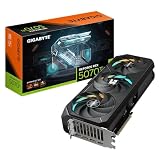
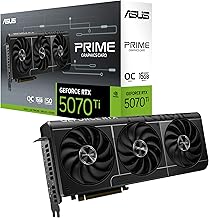
Prebuilt 5090 systems are all about managing serious heat and power. The HP OMEN 45L uses its large signature chassis with a Light Studio front and airflow-focused layout, offered in 32GB and higher-memory configurations. The ZOTAC MEK desktops pair the 5090 with either a Ryzen 7 9800X3D or Intel Ultra 9 285K in clean, gaming-forward cases with 1200W Gold PSUs. The Velztorm Praetix goes custom with a liquid-cooled i9-14900K. For DIY builders, the Gigabyte GeForce RTX 5090 Gaming OC 32G is a triple-fan, high-clock card, just confirm your case clearance and that your PSU can feed it.
Performance
The 5090 is simply the fastest consumer GPU available, running maxed 4K at high frame rates, enabling 8K in supported titles, and accelerating DLSS 4 for further gains. For creators, the 32GB frame buffer transforms 3D rendering, high-res video, and AI workloads. Among the prebuilts, CPU pairing shapes the feel: the ZOTAC MEK’s 9800X3D leans gaming, while the Ultra 9 285K builds are strong all-rounders and the Velztorm’s i9-14900K brings raw multithreaded muscle. The standalone Gigabyte card matches any of them once dropped into a capable host system with adequate cooling and power.
Pros & Cons
- Unmatched 4K and 8K performance with room to spare.
- 32GB GDDR7 excels at creative and AI tasks.
- DLSS 4 for major frame-rate improvements.
- Prebuilt or DIY paths to fit different buyers.
- Premium pricing on both cards and complete systems.
- High power draw and heat require strong PSUs and cooling.
- Large cards need spacious cases and careful clearance checks.
Alternatives to Consider
If the 5090’s cost is hard to justify, a 5080-based computer delivers most of the 4K experience for meaningfully less money. Buyers who prize simplicity and warranty should choose a prebuilt like the HP OMEN 45L over installing the Gigabyte card themselves. And if your work is more CPU-bound than GPU-bound, redirecting budget toward more cores and RAM may serve you better than the top graphics tier.
Frequently Asked Questions
Prebuilt or standalone card, which is right for me?
If you have a capable, roomy system with a strong PSU, the Gigabyte RTX 5090 card is flexible. Otherwise a prebuilt like the ZOTAC MEK avoids compatibility issues.
What power supply does a 5090 need?
Plan for a high-quality 1000W or greater ATX 3 unit. Prebuilt 5090 towers commonly ship with 1200W supplies.
Which CPU pairs best with a 5090?
X3D chips like the 9800X3D favor pure gaming; the Ultra 9 285K is an excellent choice for mixed gaming and creation.
Will the Gigabyte card fit my case?
It’s a large triple-fan card, so verify GPU length clearance in your case before buying to avoid a tight or impossible fit.
Verdict
A GeForce RTX 5090 computer is the ultimate no-compromise machine. For a hassle-free, warranty-backed build, the HP OMEN 45L and ZOTAC MEK are our top prebuilt picks, with the ZOTAC 9800X3D variant ideal for gamers. Confident builders with the right case and PSU should choose the Gigabyte Gaming OC card. Whichever route, budget properly for power and cooling.