Key takeaways
- Flagship 4K performance with DLSS 4 across every model.
- 16GB GDDR7 handles modern games and creative workloads with headroom.
- Wide model choice covering SFF, RGB, and quiet-focused builds.
- Strong cooling on premium variants for sustained clocks.
What's inside
The GeForce RTX 5080 is NVIDIA’s high-end Blackwell card aimed at 4K gaming and demanding creative work, and if you are researching its price, you have probably noticed the wide spread between models. That gap is not random: cooling, factory overclocks, warranty, and physical size all feed into what you pay. Understanding those variables is the difference between overpaying and getting real value.
This review surveys the current RTX 5080 landscape, from GIGABYTE and ASUS to ZOTAC, PNY, and NVIDIA’s own Founders Edition, and explains what actually justifies a price difference. If you are deciding which 5080 to buy, here is how to read the market.
As an Amazon Associate we earn from qualifying purchases.


🎮 Get More From Your Setup — Free
Prime Gaming gives you free PC games every month, in-game loot, and a free Twitch channel sub — plus fast free shipping on all the gear above. New members get a 30-day free trial.
Watch: 5080 Rtx Price: Review & Buyer’s Guide — Video Review
Design & Build
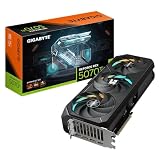
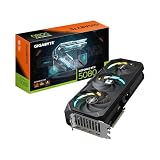
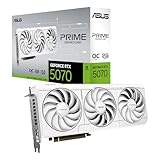
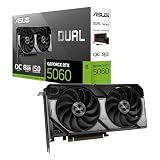
Every RTX 5080 here shares the same core silicon: 16GB of GDDR7 on a 256-bit bus with NVIDIA’s Blackwell architecture and DLSS 4. What differs is the cooler and chassis. The GIGABYTE Gaming OC leans on its WINDFORCE system, the ASUS TUF Gaming pairs a robust build with a vapor chamber, and the ZOTAC Solid CORE OC brings IceStorm 3.0 cooling with RGB. The PNY Epic-X ARGB uses a triple-fan design, while the ASUS Prime SFF-Ready model is notable for its 2.5-slot size aimed at small-form-factor builds. The Founders Edition offers a compact, understated reference design. Slot thickness matters: larger 3-slot cards cool better and run quieter, but SFF builders should prioritize the slimmer options.
Performance
Because the GPU die is identical, raw performance differences between these cards are small, typically a few percent from factory overclocks. The GIGABYTE and ASUS TUF OC editions push slightly higher boost clocks, and PNY’s model advertises a 2,775 MHz boost, but in real games the gap is often within margin of error. Where premium models earn their keep is thermals and acoustics: better coolers hold higher sustained clocks, run quieter, and age better. All variants deliver flagship-class 4K performance with DLSS 4 frame generation, comfortably driving high-refresh 4K and ray-traced titles. For creators, the 16GB of fast GDDR7 accelerates rendering and video work. The practical takeaway: buy for cooling, noise, size, and warranty rather than chasing a marginal clock bump.
Pros & Cons
- Flagship 4K performance with DLSS 4 across every model.
- 16GB GDDR7 handles modern games and creative workloads with headroom.
- Wide model choice covering SFF, RGB, and quiet-focused builds.
- Strong cooling on premium variants for sustained clocks.
- High price across the board, with premium models adding a real markup.
- Large size on 3-slot cards can be a fit problem in smaller cases.
- Small performance gaps mean the priciest card rarely feels faster in games.
Alternatives to Consider
If the 5080’s price is a stretch, the step-down RTX 5070 Ti offers strong 1440p and entry-4K performance for less. Buyers who want the absolute top tier can look to the RTX 5090, at a significant premium. For most 4K gamers, though, the 5080 is the sensible flagship, and the smart move is choosing the best-cooled model that fits your case and budget rather than the most expensive.
Frequently Asked Questions
Why do RTX 5080 prices vary so much?
Cooling design, factory overclocks, build quality, RGB, size, and warranty length all affect price. The underlying GPU is the same, so much of the premium is the cooler and features.
Is a more expensive 5080 noticeably faster?
Rarely. Factory overclocks add only a few percent. Premium models mainly buy quieter operation and better sustained clocks, not dramatically higher frame rates.
Which model suits a small-form-factor build?
Look to the slimmer 2.5-slot SFF-ready designs rather than large triple-slot cards, which may not fit compact cases.
Is 16GB of VRAM enough for 4K?
Yes. 16GB of GDDR7 is ample for current 4K gaming and most creative workloads, with headroom for high-resolution textures.
Verdict
The RTX 5080 is a legitimate 4K flagship, and since performance is nearly identical across models, price should track cooling, size, and warranty rather than clock speed. Value hunters should target a well-cooled GIGABYTE, ASUS TUF, or ZOTAC model that fits their case, and reserve the Founders Edition or premium ARGB builds for those who want a specific look or footprint.