Key takeaways
- Excellent 4K performance at maxed settings with high frame rates
- Strong ray tracing, further boosted by DLSS 4 Multi Frame Generation
- 16GB GDDR7 is comfortable for 4K gaming and creative workloads
- Robust triple-fan cooler keeps the card cool and quiet under load
What's inside
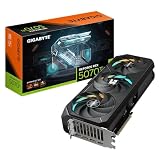
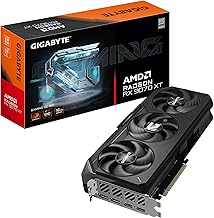
The GeForce RTX 5080 is NVIDIA’s high-end Blackwell card, sitting just below the flagship 5090, and the GIGABYTE RTX 5080 Gaming OC 16G is a well-cooled, factory-overclocked take on it. With 16GB of GDDR7 on a 256-bit bus and GIGABYTE’s triple-fan WINDFORCE cooler, this model is built to run the chip hard and quiet while nudging clocks above reference.
This card is for enthusiasts who game at 4K and want maximum settings, high frame rates, and heavy ray tracing without paying flagship 5090 money. It also appeals to creators who lean on GPU acceleration for rendering and video work. If you game at 1440p, the 5080 is more than you need and a 5070 Ti makes more sense; at 4K, this is where the Blackwell lineup gets genuinely comfortable.
As an Amazon Associate we earn from qualifying purchases.


⚡ Save on Your Next PC — Amazon Prime
Prime members get fast free shipping on the systems above, plus early access to Prime Day & Black Friday PC deals. New members get a 30-day free trial.
Watch: GeForce RTX 5080 Review — Video Review
Design & Build
The Gaming OC is a large, premium-feeling card. The triple-fan WINDFORCE cooler is substantial, which is exactly what keeps this power-hungry GPU cool and quiet even under sustained load, but it means a long, heavy card that needs a roomy case and a sturdy anti-sag bracket, which GIGABYTE includes. It uses the 16-pin power connector, so you will want a modern PSU or the bundled adapter seated carefully. Outputs are HDMI and DisplayPort 2.1, and the factory overclock is meaningful rather than token. The main practical caveats are size and the high power draw that comes with this tier of performance.
Performance
At 4K the RTX 5080 is a genuine high-refresh card, running demanding modern titles at maxed settings with strong frame rates, and its ray tracing performance is excellent, especially with DLSS 4 and Multi Frame Generation enabled, which can push supported games to very high numbers. The 16GB frame buffer is comfortable for 4K today, avoiding the tightness that affects lower cards.
The context that matters is value. The 5080’s raw rasterization lead over the previous-generation 4080 Super is real but not enormous, so a large part of its generational appeal rests on DLSS 4 and its frame generation gains rather than pure horsepower. It is also a big step down from the 5090 in raw performance while still costing a lot, so it lives in a premium band where you pay well for the last stretch of performance below the flagship. For its target 4K audience, though, it delivers a fast, quiet, high-settings experience.
Pros & Cons
- Excellent 4K performance at maxed settings with high frame rates
- Strong ray tracing, further boosted by DLSS 4 Multi Frame Generation
- 16GB GDDR7 is comfortable for 4K gaming and creative workloads
- Robust triple-fan cooler keeps the card cool and quiet under load
- Expensive, with only moderate raw gains over the previous 4080 Super
- Large, heavy card that needs a spacious case and good airflow
- High power draw requiring a modern, capable power supply
Alternatives to Consider
If you want the same performance in a shorter chassis, the GIGABYTE RTX 5080 WINDFORCE OC SFF packs it into a more compact design for smaller cases. Enthusiasts chasing the best cooling and clocks can look at the premium ASUS ROG Astral RTX 5080, while buyers who find the 5080 more than they need for 1440p should consider stepping down to the 16GB RTX 5070 Ti for a better price-to-performance balance.
Frequently Asked Questions
Is the RTX 5080 a true 4K graphics card?
Yes. It runs demanding modern games at 4K with maxed settings and high frame rates, and the 16GB buffer keeps it comfortable at that resolution, making it one of the better 4K options below the flagship 5090.
How much slower is the 5080 than the 5090?
The 5090 is significantly faster in raw performance, as it is the flagship with far more cores and memory. The 5080 costs less but leaves a large performance gap, so it is about high-end value rather than absolute peak speed.
Does the GIGABYTE RTX 5080 Gaming OC need a large case?
Yes. The triple-fan WINDFORCE cooler makes it a long, heavy card, so you need a spacious case with good airflow and should use the included anti-sag support.
What power supply do you need for the RTX 5080?
It draws substantial power and uses the 16-pin connector, so a modern high-wattage PSU (or careful use of the bundled adapter) is recommended for stable operation under load.
Verdict
The GIGABYTE RTX 5080 Gaming OC is a strong, well-cooled way to get near-flagship 4K gaming without buying a 5090. Its price and modest raw gains over the last generation mean much of its appeal leans on DLSS 4, and its size and power needs demand a serious build. But for enthusiasts who want fast, quiet, maxed-out 4K in 2026, it is a highly capable card that delivers where it counts.