Key takeaways
- For battery life: Snapdragon X wins decisively with all-day, fanless endurance.
- For software compatibility: Intel Core i7’s x86 runs everything without emulation.
- For AI features: Snapdragon’s powerful NPU accelerates on-device Copilot tasks.
- For gaming and pro apps: Intel Core i7 is the safer, more versatile choice.
- For travel and quiet use: Snapdragon’s cool, silent operation is ideal.
What's inside
The laptop CPU landscape has genuinely shifted. Qualcomm’s Snapdragon X chips have arrived as a serious challenger to Intel’s long-dominant Core i7, promising extraordinary battery life and built-in AI acceleration. But Intel’s x86 architecture still holds real advantages in software compatibility and raw versatility.
So which should you actually buy? The answer depends heavily on how you work. Let’s break down where each platform wins and help you match the right chip to your needs.
As an Amazon Associate we earn from qualifying purchases.


🎮 Get More From Your Setup — Free
Prime Gaming gives you free PC games every month, in-game loot, and a free Twitch channel sub — plus fast free shipping on all the gear above. New members get a 30-day free trial.
Watch: Snapdragon Vs Intel i7: Full Comparison — Video Review
Quick Verdict
Choose a Snapdragon X laptop if battery life, silent operation, and always-on AI features top your list and your software runs natively or through emulation. Choose an Intel Core i7 machine if you rely on specialized apps, peripherals, or games where guaranteed x86 compatibility matters more than all-day unplugged endurance.
Snapdragon X
Qualcomm’s Snapdragon X and X Plus chips, found in machines like the Lenovo Business Snapdragon X laptop, the Dell Latitude 7455, and the ASUS Vivobook 14, are built on Arm architecture. Their headline strength is efficiency: these laptops routinely deliver exceptional battery life and run cool and fanless, making them superb for travel and long workdays away from an outlet.
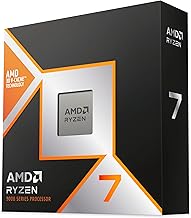
They also pack a powerful NPU, often rated around 45 TOPS, that accelerates Copilot and other on-device AI tasks. Native Arm apps fly, and Windows emulation has improved dramatically, handling most everyday software well. The tradeoff is that a minority of legacy programs, certain drivers, and some games still stumble under emulation.
Intel Core i7
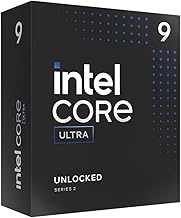
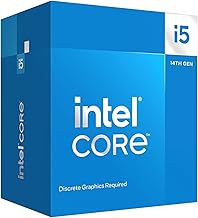
Intel’s Core i7, seen in laptops like the Lenovo IdeaPad Slim 3i with the i7-13620H and desktop chips like the i7-14700K, is the known quantity. Its x86 architecture runs virtually all Windows software, drivers, and games natively, with no emulation layer or compatibility asterisks to worry about.
For sustained heavy workloads, gaming, and professional applications, a Core i7 delivers dependable, high performance. The cost is efficiency: Intel laptops generally run warmer, spin fans under load, and offer shorter battery life than their Snapdragon counterparts. For desk-bound power users, that’s often an acceptable trade.
Head-to-Head: Which Should You Buy?
- For battery life: Snapdragon X wins decisively with all-day, fanless endurance.
- For software compatibility: Intel Core i7’s x86 runs everything without emulation.
- For AI features: Snapdragon’s powerful NPU accelerates on-device Copilot tasks.
- For gaming and pro apps: Intel Core i7 is the safer, more versatile choice.
- For travel and quiet use: Snapdragon’s cool, silent operation is ideal.
Frequently Asked Questions
Will my software run on a Snapdragon laptop?
Most mainstream apps run natively or through Windows emulation, which has improved greatly. However, some legacy programs, niche drivers, and certain games may not work properly.
Does Snapdragon really have better battery life?
Yes. Snapdragon X laptops consistently outlast comparable Intel Core i7 machines and often run fanless, a major advantage for mobile users.
Is Intel Core i7 better for gaming?
Generally yes, thanks to native x86 support and pairing options with dedicated GPUs. Snapdragon gaming is improving but still faces compatibility gaps.
Which is better for AI tasks?
Snapdragon X chips include a strong NPU tuned for on-device AI like Copilot. Intel is catching up, but Snapdragon leads on dedicated AI acceleration in thin laptops.
Final Verdict
Neither chip is universally better, they serve different priorities. The Snapdragon X is the choice for mobile professionals who value battery life, silence, and AI, provided their software cooperates. The Intel Core i7 remains the versatile, compatible workhorse for gamers, power users, and anyone who needs guaranteed x86 support. Match the platform to your workflow and you’ll be happy either way.