Key takeaways
- Architecture: The 9800X3D uses Zen 5 with roughly a 10-15% IPC uplift over the Zen 4 cores in the 7800X3D, before clock speeds are factored in.
- Clock speeds: The 9800X3D boosts to around 5.2GHz against 5.0GHz on the 7800X3D, with a substantially higher base clock that shows up in sustained loads.
- Cache design: Both carry 96MB of L3, but AMD moved the stacked cache beneath the compute die on the 9800X3D, improving thermal transfer and removing the clock ceiling that constrained the older chip.
- Overclocking: The 9800X3D is fully unlocked. The 7800X3D is limited to Precision Boost Overdrive curve optimisation and memory tuning.
- Power and cooling: The 7800X3D is the more frugal chip, often peaking under 90W in games. The 9800X3D pulls noticeably more and wants a strong 120mm-class air cooler or a 240mm AIO.
- Productivity: In multi-threaded work — compiling, encoding, Blender — the 9800X3D opens a lead of around 20%, closing most of the gap to non-X3D chips like the Ryzen 7 9700X.
What's inside
The AMD Ryzen 7 9800X3D and Ryzen 7 7800X3D remain the two most talked-about gaming CPUs on the AM5 platform, and in 2026 the comparison is no longer academic. Both are 8-core, 16-thread chips built around AMD’s 3D V-Cache technology, both drop into the same socket, and both will comfortably feed an RTX 50-series or Radeon RX 9000-series GPU at high refresh rates. The difference is generational: Zen 5 versus Zen 4, second-generation stacked cache versus first, and an unlocked multiplier versus a locked one.
Choosing between them matters more than the spec sheet suggests. The 9800X3D is the faster part in essentially every workload, but the 7800X3D has spent the last few years as the value benchmark for gaming builds and still turns up in bundles and combo deals that undercut its successor. If you are building or upgrading this year, the question is whether the extra performance and headroom justify the premium for your particular setup.
As an Amazon Associate we earn from qualifying purchases.


⚡ Save on Your Next PC — Amazon Prime
Prime members get fast free shipping on the systems above, plus early access to Prime Day & Black Friday PC deals. New members get a 30-day free trial.
Watch: Ryzen 7 9800X3D vs 7800X3D: Upgrade in 2026? — Video Review
Quick Verdict
Buy the Ryzen 7 9800X3D if you are pairing it with a high-end GPU, gaming at 1080p or 1440p on a 240Hz-plus monitor, or you want a chip that also handles streaming, rendering and productivity without compromise. Buy the Ryzen 7 7800X3D if you play at 1440p or 4K, are working to a budget, or can find it as part of a motherboard or cooler bundle — it is still an outstanding gaming CPU and the gap shrinks fast once your GPU becomes the bottleneck.
Key Differences
- Architecture: The 9800X3D uses Zen 5 with roughly a 10-15% IPC uplift over the Zen 4 cores in the 7800X3D, before clock speeds are factored in.
- Clock speeds: The 9800X3D boosts to around 5.2GHz against 5.0GHz on the 7800X3D, with a substantially higher base clock that shows up in sustained loads.
- Cache design: Both carry 96MB of L3, but AMD moved the stacked cache beneath the compute die on the 9800X3D, improving thermal transfer and removing the clock ceiling that constrained the older chip.
- Overclocking: The 9800X3D is fully unlocked. The 7800X3D is limited to Precision Boost Overdrive curve optimisation and memory tuning.
- Power and cooling: The 7800X3D is the more frugal chip, often peaking under 90W in games. The 9800X3D pulls noticeably more and wants a strong 120mm-class air cooler or a 240mm AIO.
- Productivity: In multi-threaded work — compiling, encoding, Blender — the 9800X3D opens a lead of around 20%, closing most of the gap to non-X3D chips like the Ryzen 7 9700X.
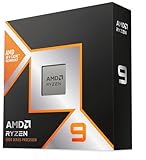
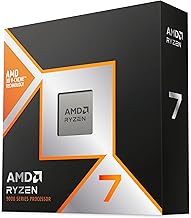
AMD Ryzen 7 9800X3D
The 9800X3D is the CPU to beat for pure gaming. Across a broad test suite it averages roughly 8-12% ahead of the 7800X3D at 1080p, with larger margins in simulation and strategy titles that thrive on cache and single-thread throughput — Microsoft Flight Simulator, Factorio, Cities: Skylines II and competitive shooters running at very high frame caps. If your monitor is 240Hz or faster, that is the difference between hitting your refresh ceiling and hovering just below it.
It is also the more complete processor. The inverted cache stack lets it run hotter workloads without throttling, so all-core performance no longer suffers the penalty that made earlier X3D parts poor multitaskers. Combined with full overclocking support and healthy memory headroom with DDR5-6000 CL30, it is the safer long-term buy on AM5, a socket AMD has committed to supporting well beyond this generation.
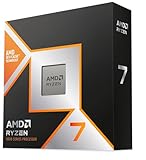
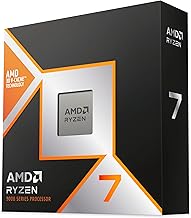
AMD Ryzen 7 7800X3D
The 7800X3D earned its reputation by delivering flagship gaming performance at a mid-range power draw, and none of that has changed. At 1440p with a demanding GPU it typically lands within a few percent of the 9800X3D, and at 4K the two are usually indistinguishable. For most players running a mainstream or upper-mid-range graphics card, it remains more CPU than the game engine will ask for.
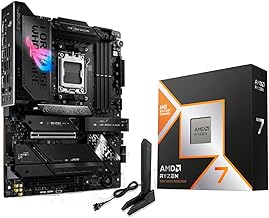
Its practical advantage now is packaging. The 7800X3D frequently appears in ready-to-build bundles — the Micro Center 7800X3D and GIGABYTE B850 Gaming WF combo, or the version paired with a Cooler Master Hyper Spectrum V3 air cooler — which remove the guesswork around board compatibility and cooling. Its low power draw also means a modest tower cooler and a smaller PSU are perfectly adequate, which matters in compact or quiet builds.
Which Should You Buy?
- For competitive 1080p esports: pick the 9800X3D — the frame-rate headroom is real and measurable.
- For 1440p or 4K single-player gaming: pick the 7800X3D and put the savings toward a better GPU.
- For gaming plus streaming or content creation: pick the 9800X3D for its stronger multi-threaded performance.
- For a first-time or bundle build: pick a 7800X3D combo with a B850 board — it removes BIOS and compatibility risk.
- For small form factor or low-noise builds: pick the 7800X3D for its lower power and easier thermals.
Frequently Asked Questions
Do both CPUs use the same motherboard?
Yes. Both are AM5 processors and work with 600- and 800-series boards. Older B650 and X670 boards may need a BIOS update before a 9800X3D will post, so a B850 or X870 board is the simpler route if you are buying new.
Is the 9800X3D worth the upgrade from a 7800X3D?
Generally no. A single-digit to low-double-digit gaming uplift rarely justifies the cost of swapping an existing chip. The upgrade makes more sense from a 7700X, 9700X or an older AM4 platform.
What cooler do these processors need?
Neither ships with a cooler. A quality 120mm tower is sufficient for the 7800X3D; the 9800X3D benefits from a large dual-tower air cooler or a 240mm liquid cooler, particularly if you plan to overclock.
Is 8 cores still enough for gaming in 2026?
Yes. Very few games scale meaningfully beyond eight cores, and the large L3 cache on both chips matters far more than core count. Only heavy production workloads justify stepping up to a 12- or 16-core part.
Final Verdict
The Ryzen 7 9800X3D is the better processor and the right choice if you want the fastest gaming CPU available on AM5 with genuine productivity capability alongside it. The Ryzen 7 7800X3D is the better deal, and for anyone playing above 1080p or building around a mid-range GPU it delivers the vast majority of that experience for meaningfully less — especially in a motherboard or cooler bundle. Match the chip to your monitor and your graphics card, and either one will serve a high-end build for years.