Key takeaways
- Genuine multitasking headroom for streaming, recording, and modded games at once.
- High-refresh displays up to 180Hz on the Nitro V and 165Hz on the Strix keep fast games fluid.
- Fast Gen 4 SSDs with 1TB capacity mean shorter load times and space for a real library.
- Strong value compared with 32GB desktops once you factor in the built-in display and battery.
What's inside
Thirty-two gigabytes of RAM has quietly become the sweet spot for serious gaming laptops, and for good reason. Modern titles routinely chew through 16GB when you have Discord, a browser full of tabs, and a streaming overlay running alongside the game. A 32GB machine gives you the headroom to multitask without stutter, and it future-proofs your purchase against the increasingly memory-hungry releases arriving each year.
This guide focuses on what 32GB actually buys you in a real gaming laptop, using several current models as reference points. We look at how memory pairs with the GPU, the display, and the storage to shape the experience you get out of the box.
As an Amazon Associate we earn from qualifying purchases.


🎮 Get More From Your Setup — Free
Prime Gaming gives you free PC games every month, in-game loot, and a free Twitch channel sub — plus fast free shipping on all the gear above. New members get a 30-day free trial.
Watch: Laptop Gaming 32gb: Review & Buyer’s Guide — Video Review
Design & Build
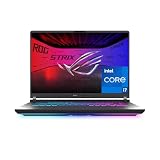
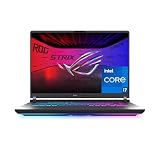
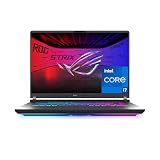
Gaming laptops built around 32GB configurations tend to sit in the midrange-to-premium tier, and the chassis reflects that. The Acer Nitro V 16S and ASUS ROG Strix G16 both use larger 16-inch decks that give the cooling system room to breathe, which matters when you are pushing an RTX-class GPU for hours. The Alienware 16 Aurora leans into a more refined aluminum-heavy build, while the HP Victus 15 keeps things lighter and more portable at the cost of a smaller thermal envelope. Expect these machines to weigh between five and six pounds; genuine desktop replacements rather than ultrabooks.
Performance
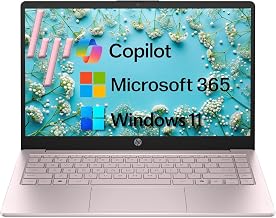
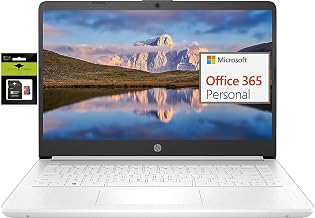
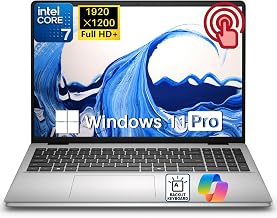
Here is where 32GB earns its keep. Paired with an RTX 5060 in the Acer Nitro V 16S or the ROG Strix G16, the extra memory means textures stream cleanly and background apps never force the game to swap to disk. The Strix G16’s Core i7-14650HX and the Alienware’s Core 7 240H both benefit from the memory bandwidth when running CPU-bound simulation and strategy titles. Note that a couple of listings in this class (the HP 14 and HP 15.6 touch models) ship with 16GB and lean on integrated graphics, so they belong in the productivity conversation rather than the gaming one. For 1080p and 1440p gaming, a 32GB RTX 5060 laptop hits the practical ceiling most players need.
Pros & Cons
- Genuine multitasking headroom for streaming, recording, and modded games at once.
- High-refresh displays up to 180Hz on the Nitro V and 165Hz on the Strix keep fast games fluid.
- Fast Gen 4 SSDs with 1TB capacity mean shorter load times and space for a real library.
- Strong value compared with 32GB desktops once you factor in the built-in display and battery.
- Battery life is modest; these are wall-socket machines when gaming.
- Fan noise ramps up under sustained load, so a headset helps.
Alternatives to Consider
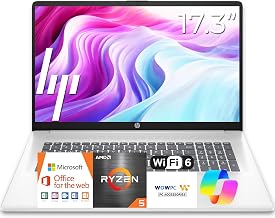
If your budget is tighter, a 16GB RTX 5060 laptop like the base Strix G16 configuration will still run nearly everything well today, and many of these chassis let you add a second RAM stick later. On the other end, if you routinely edit video or run virtual machines alongside gaming, look at 64GB Legion or ROG SCAR models. The thin-and-light HP options here are worth a glance only if portability and battery trump frame rates.
Frequently Asked Questions
Is 32GB of RAM overkill for gaming in 2026?
Not anymore. While 16GB still handles most games solo, 32GB is the comfortable choice once you add streaming, Discord, browser tabs, and mods to the mix, and it noticeably reduces stutter in memory-heavy open-world titles.
Does more RAM increase my frame rate?
Only up to a point. Once a game has enough memory, extra RAM does not raise average FPS, but it prevents the sharp dips that happen when the system runs out and swaps to storage.
Can I upgrade a 16GB gaming laptop to 32GB later?
Often yes, if the laptop uses SO-DIMM slots rather than soldered memory. Models like the Acer Nitro line typically allow it, but always check the specific configuration before buying.
Should I prioritize the GPU or the RAM?
The GPU. A stronger graphics card like the RTX 5060 has a bigger impact on gaming performance than jumping from 16GB to 32GB, so buy the best GPU you can and treat 32GB as the ideal companion.
Verdict
For most gamers who want a machine that lasts several years without feeling cramped, a 32GB laptop paired with an RTX 5060 is the smart buy. The Acer Nitro V 16S and ASUS ROG Strix G16 stand out as the best-balanced options here, offering strong GPUs, high-refresh screens, and the memory headroom that keeps everything running smoothly no matter how many tabs you leave open.