Key takeaways
- Near-flagship performance for high-refresh QHD and viable 4K gaming.
- 16GB GDDR7 handles demanding textures and creative workloads.
- High-refresh displays, with 240Hz panels on several models.
- Strong CPU pairings like the Core Ultra 9 275HX for all-round power.
The RTX 5080 laptop occupies rarefied air just below the flagship 5090, and for many enthusiasts it represents the true performance sweet spot: near-top-tier gaming power without the extreme price and heat of the very best. With 16GB of GDDR7 and high wattage headroom, it makes high-refresh QHD and even 4K gaming genuinely viable on the go.
This review examines the leading RTX 5080 gaming laptops, from MSI Vector and HP OMEN MAX to ASUS ROG Strix and GIGABYTE models, so you can find the machine that best balances performance, display, and portability. Here is the breakdown.
Our top picks


As an Amazon Associate we earn from qualifying purchases at no extra cost to you. Ratings are shown as listed on Amazon.
🎮 Get More From Your Setup — Free
Prime Gaming gives you free PC games every month, in-game loot, and a free Twitch channel sub — plus fast free shipping on all the gear above. New members get a 30-day free trial.
Watch: 5080 Laptop: Review & Buyer’s Guide — Video Review
Design & Build
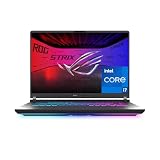
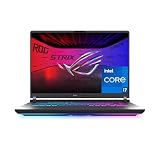
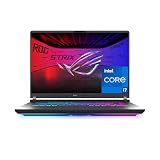
RTX 5080 laptops range from portable 16-inch powerhouses to sprawling 18-inch desktop replacements. The HP OMEN MAX 16 and MSI Vector 16 HX AI pack the GPU into 16-inch chassis with 240Hz QHD+ panels, favoring a balance of power and portability. Larger builds like the MSI Vector A18 HX and ASUS ROG Strix SCAR 18 offer 18-inch displays and roomier cooling, while the GIGABYTE Gaming A16 PRO keeps things sleeker. Build quality is uniformly premium, with robust hinges, RGB keyboards, and the cooling systems the 5080 demands.
Performance
This is where the 5080 shines. With 16GB of GDDR7 and pairings like the Intel Core Ultra 9 275HX or AMD Ryzen 9 9955HX, these laptops chew through QHD+ at high refresh and make 4K gaming realistic in many titles. The 240Hz panels on the MSI Vector and ROG Strix models let competitive players exploit every frame, while the extra VRAM handles texture-heavy games and creative workloads that would strain lesser GPUs. Wi-Fi 7 and fast NVMe storage round out machines built for both gaming and serious content creation.
Pros & Cons
- Near-flagship performance for high-refresh QHD and viable 4K gaming.
- 16GB GDDR7 handles demanding textures and creative workloads.
- High-refresh displays, with 240Hz panels on several models.
- Strong CPU pairings like the Core Ultra 9 275HX for all-round power.
- Runs hot, requiring robust cooling and shortening battery life.
- Premium pricing just below flagship 5090 machines.
- Heavier builds, especially the 18-inch desktop replacements.
Alternatives to Consider
If the 5080’s price is steep, an RTX 5070 Ti laptop delivers most of the gaming experience at QHD for less, while the RTX 5090 machines are the step up for those chasing absolute maximum performance. The 5080 sits comfortably in between, making it the enthusiast’s value pick at the high end.
Frequently Asked Questions
Can an RTX 5080 laptop play 4K games?
Yes, in many titles. Its 16GB of VRAM and high wattage make 4K viable, though QHD high-refresh is its ideal comfort zone.
16-inch or 18-inch?
16-inch models like the HP OMEN MAX favor portability; 18-inch builds like the ROG Strix SCAR offer larger screens and better cooling.
Is the 5080 much better than the 5070 Ti?
It offers more VRAM and higher performance, but at QHD the gap narrows; the 5080 pays off most at 4K and in ray-traced titles.
Do these laptops have good battery life?
Under gaming load, no; high-performance GPUs drain quickly. Expect solid productivity runtime but plan to plug in for gaming.
Verdict
For enthusiasts wanting near-flagship power, the HP OMEN MAX 16 and MSI Vector 16 HX balance performance and portability superbly, while the ASUS ROG Strix SCAR 18 is the pick for those who want a big-screen desktop replacement. All deliver excellent QHD and capable 4K gaming; let screen size and portability guide your choice.