Key takeaways
- Discrete GPU first: A dedicated RTX GPU is what separates a gaming laptop from a browsing laptop. Machines relying on integrated graphics will struggle with modern titles regardless of other specs.
- RAM and SSD: 16GB of DDR5 and a fast NVMe SSD are the practical minimums for smooth gaming and quick loads; 8GB will bottleneck you sooner than you’d like.
- Display refresh rate: A 144Hz or higher panel makes even mid-range hardware feel fluid, so don’t settle for a 60Hz screen if you can avoid it.
- Cooling design: Budget chassis can throttle under load. Read reviews on thermals, since sustained performance matters more than peak benchmarks.
- Upgrade headroom: Accessible RAM slots and a spare M.2 bay let you extend a laptop’s life cheaply, adding real long-term value.
What's inside
Gaming laptops have never offered more performance per dollar than they do right now, but the spread between a genuine bargain and a false economy is wide. The cheapest machines lure you in with big storage numbers while hiding weak integrated graphics, while the smartest buys quietly pack a real discrete GPU that will actually run today’s games.
We combed through the current value field to separate the true price-to-performance winners from the traps. Below are our picks across budgets, followed by the specs that matter most when you’re shopping to stretch every dollar.
As an Amazon Associate we earn from qualifying purchases.



🎮 Get More From Your Setup — Free
Prime Gaming gives you free PC games every month, in-game loot, and a free Twitch channel sub — plus fast free shipping on all the gear above. New members get a 30-day free trial.
Watch: Best Price Gaming Laptop — Video Review
How to Choose a Value Gaming Laptop
- Discrete GPU first: A dedicated RTX GPU is what separates a gaming laptop from a browsing laptop. Machines relying on integrated graphics will struggle with modern titles regardless of other specs.
- RAM and SSD: 16GB of DDR5 and a fast NVMe SSD are the practical minimums for smooth gaming and quick loads; 8GB will bottleneck you sooner than you’d like.
- Display refresh rate: A 144Hz or higher panel makes even mid-range hardware feel fluid, so don’t settle for a 60Hz screen if you can avoid it.
- Cooling design: Budget chassis can throttle under load. Read reviews on thermals, since sustained performance matters more than peak benchmarks.
- Upgrade headroom: Accessible RAM slots and a spare M.2 bay let you extend a laptop’s life cheaply, adding real long-term value.
The Best Value Gaming Laptops Reviewed
ASUS TUF Gaming A16
The TUF A16 pairs a Ryzen 7 with an RTX 4050 and a 145Hz display, hitting a genuine sweet spot for affordable 1080p gaming. Its military-grade durability means it can also take a beating in a backpack.
Acer Nitro V 16S AI
With an RTX 5060 GPU, 32GB of DDR5, and a 180Hz WUXGA screen, this Nitro punches far above its price in raw gaming power. It’s arguably the strongest performance-per-dollar pick in the roundup.
ASUS ROG Strix G16 (2025)
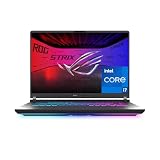
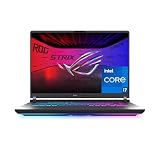
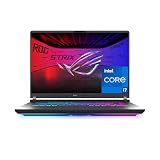
Stepping up in budget, the Strix G16 brings an RTX 5060, Core i7 HX processor, and a 165Hz panel for buyers who want more headroom. It’s the choice when you want value without capping your ceiling.
NIMO 15.6″ Ryzen 5 6600H
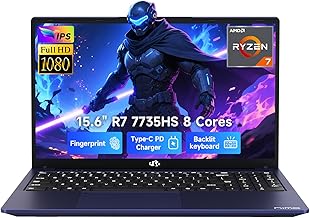
For students and casual players, this affordable NIMO with 16GB DDR5 and a fast SSD handles esports titles and everyday work well. Just note it leans on Radeon integrated graphics rather than a discrete GPU.
Tunhail 15.6″ FHD Laptop
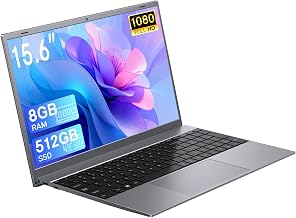
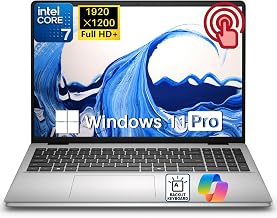
At the very bottom of the budget, this 16GB/512GB machine covers light gaming, browsing, and productivity on a crisp 1080p display. Set expectations accordingly, as it’s built for value and versatility rather than AAA frame rates.
Frequently Asked Questions
What’s the cheapest laptop that runs modern games well?
Look for one with a discrete RTX GPU, like the ASUS TUF A16 or Acer Nitro V. Those deliver playable frame rates in current titles at a reasonable price.
Is 8GB of RAM enough for gaming?
It’s the bare minimum and will bottleneck newer games. Aim for 16GB, and prefer laptops that let you upgrade later.
Do I need a high refresh rate screen on a budget?
A 144Hz panel noticeably improves smoothness, especially in competitive games, and most value laptops now include one.
Are integrated graphics ever okay for gaming?
Modern AMD Radeon integrated graphics handle esports and older titles, but for AAA gaming a discrete GPU is strongly recommended.
Final Thoughts
The Acer Nitro V 16S offers the best raw value with its RTX 5060 and 32GB of RAM, the ASUS TUF A16 is the durable budget champion, and the ROG Strix G16 is worth the stretch if you want extra performance headroom.