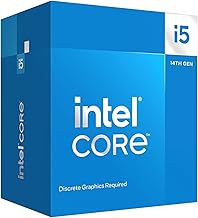
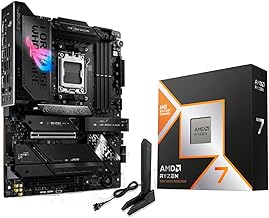
Key takeaways
- Core layout: The Core Ultra 9 285K uses 24 cores (8 P-cores + 16 E-cores) with 24 threads and no Hyper-Threading, while Ryzen 9 parts use 12 or 16 identical cores with SMT for 24 or 32 threads.
- Gaming cache: Intel pairs 36 MB of Smart Cache with fast ring-bus access; AMD’s X3D Ryzen 9 chips stack additional L3 on top, which is the single biggest advantage in cache-sensitive games like sims, strategy titles, and esports shooters.
- Productivity throughput: Intel’s E-core count makes it very strong in heavily parallel rendering and compile workloads, while Ryzen 9’s full-fat SMT cores tend to lead in workloads that scale with thread quality rather than count.
- Platform longevity: AM5 has already hosted several CPU generations and remains AMD’s mainstream socket; LGA1851 is newer and has a shorter published roadmap, so factor in your upgrade plans.
- Power and thermals: Arrow Lake-based Core Ultra 9 chips run noticeably cooler under gaming loads than Intel’s previous flagships, and the 65W base-power 285 is genuinely easy to cool. High-end Ryzen 9 parts typically run hotter under sustained all-core load.
- Extras: Intel bundles an NPU for on-device AI features, Thunderbolt support on many boards, and integrated graphics on non-F SKUs — useful for troubleshooting or a display-out fallback.
What's inside
Picking a flagship desktop CPU in 2026 comes down to a familiar fork in the road: Intel’s Core Ultra 9 on the LGA1851 platform, or AMD’s Ryzen 9 on AM5. Both sit at the top of their respective consumer stacks, both feed DDR5 and PCIe 5.0, and both will happily drive a current-generation GPU at 1440p or 4K. The difference is in how they get there — Intel leans on a wide hybrid core layout with strong efficiency and platform features, while AMD leans on high-throughput SMT cores and, in its X3D variants, a very large stacked L3 cache that games love.
That distinction matters more now than it did a couple of generations ago. Modern GPUs are fast enough that CPU bottlenecks reappear at 1440p in competitive and simulation titles, and more players are streaming, recording, or running local AI tools alongside their games. Choosing between a Core Ultra 9 and a Ryzen 9 is therefore less about raw benchmark bragging rights and more about matching a chip to your resolution, your side workloads, and how long you plan to keep the motherboard.
As an Amazon Associate we earn from qualifying purchases.



⚡ Save on Your Next PC — Amazon Prime
Prime members get fast free shipping on the systems above, plus early access to Prime Day & Black Friday PC deals. New members get a 30-day free trial.
Watch: Intel Core Ultra 9 vs Ryzen 9: 2026 Battle — Video Review
Quick Verdict
If your priority is maximum frame rates in CPU-bound games and a socket with a long upgrade runway, a Ryzen 9 — particularly an X3D model — is the safer buy. If you want a strong all-rounder that excels at multitasking, content creation, and lightly threaded productivity work while running cooler and quieter than previous Intel flagships, the Core Ultra 9 285K is the more balanced choice, and the 65W Core Ultra 9 285 is the pick for compact or noise-sensitive builds.
Key Differences
- Core layout: The Core Ultra 9 285K uses 24 cores (8 P-cores + 16 E-cores) with 24 threads and no Hyper-Threading, while Ryzen 9 parts use 12 or 16 identical cores with SMT for 24 or 32 threads.
- Gaming cache: Intel pairs 36 MB of Smart Cache with fast ring-bus access; AMD’s X3D Ryzen 9 chips stack additional L3 on top, which is the single biggest advantage in cache-sensitive games like sims, strategy titles, and esports shooters.
- Productivity throughput: Intel’s E-core count makes it very strong in heavily parallel rendering and compile workloads, while Ryzen 9’s full-fat SMT cores tend to lead in workloads that scale with thread quality rather than count.
- Platform longevity: AM5 has already hosted several CPU generations and remains AMD’s mainstream socket; LGA1851 is newer and has a shorter published roadmap, so factor in your upgrade plans.
- Power and thermals: Arrow Lake-based Core Ultra 9 chips run noticeably cooler under gaming loads than Intel’s previous flagships, and the 65W base-power 285 is genuinely easy to cool. High-end Ryzen 9 parts typically run hotter under sustained all-core load.
- Extras: Intel bundles an NPU for on-device AI features, Thunderbolt support on many boards, and integrated graphics on non-F SKUs — useful for troubleshooting or a display-out fallback.
Intel Core Ultra 9: The Balanced Flagship
The Core Ultra 9 285K is the enthusiast option: 24 cores clocking up to 5.7 GHz, an unlocked multiplier, and official DDR5-6400 support with plenty of headroom on quality kits. In practice it delivers excellent 1440p and 4K gaming performance — at 4K it is effectively indistinguishable from anything else on the market — and it is a genuinely superb multitasking chip. Streaming, recording, running a browser full of tabs, and keeping a game pinned to the P-cores is exactly the scenario the hybrid design was built for.
If you don’t need overclocking, the Core Ultra 9 285 offers the same 24-core configuration at up to 5.6 GHz with a 65W base power rating and 36 MB of Smart Cache on the FCLGA1851 socket. It’s an outstanding fit for small-form-factor gaming rigs, quiet builds, and workstation-style machines where sustained efficiency matters more than the last few hundred megahertz.
AMD Ryzen 9: The Frame-Rate Specialist
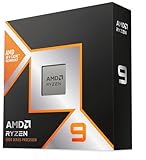
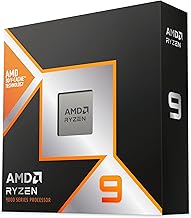
Ryzen 9 remains the enthusiast gamer’s default, and the reason is cache. The X3D variants stack a large slab of L3 directly on the compute die, which dramatically reduces memory latency in games with big world states — think open-world RPGs, flight and racing sims, MMOs, and large-scale strategy. In CPU-limited scenarios at 1080p and 1440p, that advantage is real and consistent, not a benchmark artifact.
Ryzen 9 also brings 32 threads at the top of the stack and an AM5 platform that AMD has supported across multiple generations, meaning a drop-in CPU upgrade later is a realistic option. The trade-offs are higher sustained power draw on non-X3D models, a cooling budget you shouldn’t skimp on, and slightly weaker showings in some lightly threaded and mixed-workload tasks where Intel’s P-cores pull ahead.
Which Should You Buy?
- For competitive 1080p/1440p gaming: pick a Ryzen 9 X3D — the cache advantage is decisive in CPU-bound titles.
- For 4K gaming plus streaming or editing: pick the Core Ultra 9 285K; the extra cores absorb background work without hurting frame pacing.
- For a quiet or small-form-factor build: pick the Core Ultra 9 285 at 65W base power and pair it with a modest air cooler.
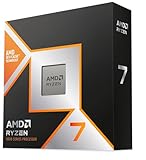
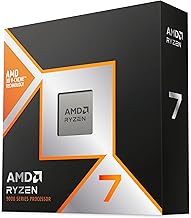
- For the best value in a high-end gaming PC: step down to the Core Ultra 7 265KF (20 cores, up to 5.5 GHz) or the 65W Core Ultra 7 265 and spend the savings on your GPU.
- For a budget-conscious unlocked build: the Core Ultra 5 250K Plus with 18 cores up to 5.3 GHz covers mainstream gaming comfortably.
Frequently Asked Questions
Is the Core Ultra 9 285K good for gaming in 2026?
Yes. It’s a top-tier gaming CPU that will not bottleneck a flagship GPU at 1440p or 4K. It simply isn’t the outright frame-rate leader in cache-heavy titles at lower resolutions, where Ryzen 9 X3D chips hold an edge.
What’s the difference between the 285K and the 285?
Both are 24-core (8 P-core + 16 E-core) parts. The 285K is unlocked with a 5.7 GHz peak and a higher power budget; the 285 tops out at 5.6 GHz with a 65W base power rating, making it cooler, quieter, and easier to