Key takeaways
- No-log policy: Prioritize independently audited, no-log services so your traffic and match history stay private; a strict no-log stance is the foundation of a trustworthy VPN.
- Server proximity and speed: Low latency depends on nearby, uncongested servers, so pick a provider with endpoints close to the game servers you actually play on.
- Router vs. app: An app protects one device, while a VPN router covers your whole network including consoles that cannot run VPN software natively.
- Protocol support: Look for WireGuard or OpenVPN support for the best balance of speed and security; WireGuard in particular keeps ping penalties low.
- DDoS protection and portability: Competitive players benefit from providers and routers that mask their real IP, and travelers should favor pocket routers that log into hotel and public captive portals.
What's inside
A good gaming VPN does more than hide your IP address. In 2026 the right setup can reduce lag on poorly routed connections, protect you from DDoS attacks during competitive matches, unlock region-locked servers and early releases, and shield your network on public Wi-Fi. The challenge is that the market mixes pure software subscriptions with VPN-capable routers, and each solves a different part of the problem.
We evaluated no-log VPN services alongside travel routers and full-fat home routers with built-in VPN clients to cover every angle, from a laptop on hotel Wi-Fi to a wired console at home. Below are our top picks, a buying framework, and answers to the questions gamers ask before subscribing.
As an Amazon Associate we earn from qualifying purchases.




⚡ Save on Your Next PC — Amazon Prime
Prime members get fast free shipping on the systems above, plus early access to Prime Day & Black Friday PC deals. New members get a 30-day free trial.
Watch: Best Gaming VPN 2026 — Video Review
How to Choose a Gaming VPN
- No-log policy: Prioritize independently audited, no-log services so your traffic and match history stay private; a strict no-log stance is the foundation of a trustworthy VPN.
- Server proximity and speed: Low latency depends on nearby, uncongested servers, so pick a provider with endpoints close to the game servers you actually play on.
- Router vs. app: An app protects one device, while a VPN router covers your whole network including consoles that cannot run VPN software natively.
- Protocol support: Look for WireGuard or OpenVPN support for the best balance of speed and security; WireGuard in particular keeps ping penalties low.
- DDoS protection and portability: Competitive players benefit from providers and routers that mask their real IP, and travelers should favor pocket routers that log into hotel and public captive portals.
The Best Gaming VPN Solutions Reviewed
Mullvad VPN
Mullvad is the privacy purist’s pick, with a genuinely no-log service and flat, anonymous pricing. Its WireGuard performance keeps latency penalties minimal, making it a strong software choice for gamers who want protection without account tracking. The 6-month, 5-device plan covers a whole household of PCs and phones.
Proton VPN
Proton VPN pairs a trusted no-log reputation with fast, unlimited servers across 120-plus countries. That broad footprint is ideal for unlocking regional game servers and early releases, and its high-speed tiers hold up well for streaming and online play alike.
GL.iNet GL-BE9300 Flint 3 VPN Router
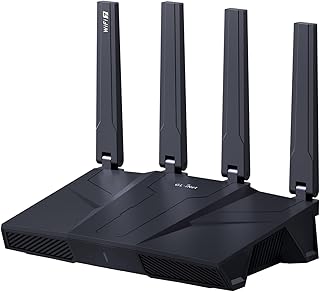
For whole-home coverage, the GL.iNet Flint 3 is a tri-band Wi-Fi 7 router with 5x 2.5G ports and built-in WireGuard and OpenVPN clients. It routes every device, including consoles, through your chosen provider at up to 9 Gbps, so your PS5 or Xbox gets VPN protection without any software fiddling.
GL.iNet GL-BE3600 Slate 7 Travel Router
The Slate 7 is the traveler’s answer, a pocket-sized Wi-Fi 7 router with a touchscreen that toggles the VPN or AdGuard on the fly. It logs into hotel and cruise captive portals, then wraps your handheld or laptop in an encrypted tunnel, perfect for gaming away from home.
Deeper Connect Air
The Deeper Connect Air is a wireless, pocket-sized decentralized VPN router supporting WireGuard and OpenVPN. Its plug-and-play, subscription-optional approach appeals to gamers who want a hardware tunnel they can carry between locations without paying a recurring fee.
Frequently Asked Questions
Does a VPN reduce ping for gaming?
Sometimes. If your ISP routes traffic inefficiently, a VPN with a well-placed server can take a shorter path and lower ping. On an already-optimal route, expect a small latency cost in exchange for privacy and DDoS protection.
Do I need a VPN router or just an app?
An app is enough for a single PC or phone. Choose a VPN router like the GL.iNet Flint 3 if you want to protect consoles and smart devices that cannot run VPN software themselves.
Will a VPN get me banned from games?
Reputable services rarely cause issues for normal play, but some competitive titles flag shared VPN IPs. Use a provider with dedicated or less-crowded servers and check the game’s terms if you are unsure.
Is a free VPN good enough for gaming?
Generally no. Free VPNs throttle speeds, add latency, and often log data. A paid no-log service such as Mullvad or Proton VPN delivers the consistent performance competitive gaming needs.
Final Thoughts
The best gaming VPN in 2026 depends on where and how you play. Pick a no-log app like Mullvad or Proton VPN to protect a single rig, deploy a GL.iNet Flint 3 to cover your entire home network including consoles, or pack a Slate 7 for encrypted gaming on the road. Match the form factor to your setup and you get privacy, protection, and sometimes even a smoother connection.