Key takeaways
- Comfort is a different test from fit. A bud can stay in a small ear and still ache after ninety minutes.
Comfort is a different test from fit. A bud can stay in a small ear and still ache after ninety minutes, because pressure builds where the housing meets the cartilage and where the tip stretches a narrow canal. The keyword “most comfortable earbuds for small ears” asks for the designs that reduce that pressure, whether by shrinking the bud, removing the canal tip altogether, or spreading the load across a clip.
The nine models below fall into three families: tiny sleep-style buds, open-ear clip designs, and compact in-ear buds with extra features. It is aimed at long-session wearers such as remote workers, students, and commuters, plus people who gave up on earbuds years ago. Heading into 2026, open-ear clip buds are the biggest change for small-ear owners, and the guide weighs them against the traditional approach using only the facts in each listing.
Quick Picks
Our top picks




As an Amazon Associate we earn from qualifying purchases at no extra cost to you.
| Product | Best for | Key spec from title |
|---|---|---|
| MOZOTER Mini Wireless Earbuds | Lightweight all-day wear | Bluetooth 5.3, 60Hrs playtime |
| Yihou Invisible Mini Earbuds | Lying down | Smallest, low profile |
| goazzzl Sleep Earbuds | Narrow ear canals | Ergonomic, auto pairing |
| TOZO OpenEarRing | Open-ear lovers | Open ear clip-on, 40H, Bluetooth 5.4 |
| Kinglucky Clip-On Gen 3 | Glasses wearers | Bluetooth 6.0, 50H, ENC |
| Open Ear Wireless Earbuds | Sport and long battery | 80H, IPX7, ENC |
| TOZO NC9 | Noise cancelling fans | Hybrid ANC, 60H, IPX8 |
| sunvito Sleep Earbuds | Side sleepers | Silicone, noise blocking, LED display |
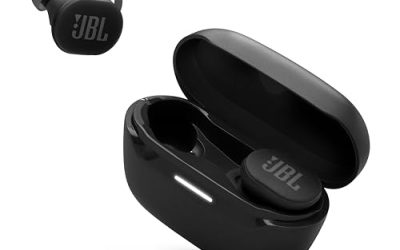
| Oraimo SpaceBuds Neo | Gamers and callers | Bluetooth 5.4, game mode |
How to Choose
Pressure Points
Comfort failures come from three places: the tip stretching the canal, the housing pressing the concha, and the stem or hook rubbing behind the ear. Open-ear clip buds avoid the first, sleep buds shrink the second, and a lightweight body reduces the third. Decide which pain you have felt before, then shop for the design that removes it. Ignore marketing words such as premium sound when comfort is the goal, since they say nothing about shape or weight.
Weight and Wear Time
For all-day wear, lighter is nearly always better. Check whether the title mentions a light weight or a mini design. For sessions beyond two hours, open-ear designs usually feel better because nothing seals the canal and heat does not build up. Budget models sometimes cut corners with stiff plastic edges, so soft silicone contact points are a good sign.
Isolation Trade-Offs
Comfort and isolation pull in opposite directions. A deep, sealing tip blocks noise but presses on a small canal. If you need cancelling, a hybrid ANC model like the TOZO NC9 does it electronically, but still sits in the ear. If you can live with ambient sound, open-ear is easier on small ears.
Battery, Water Rating, and Controls
Treat hour claims such as 40H, 60H, or 80H as case-inclusive. Look for IPX7 or IPX8 if you sweat, since a bud that is comfortable but not sweat-proof will not survive a workout. Touch controls on tiny buds can misfire when you adjust them, so a physical button or lock mode is a plus. Also keep the return window in mind, because comfort is personal and only a few hours of wear will tell you whether a pair is right.
The 9 Best Options
MOZOTER Mini Wireless Earbuds
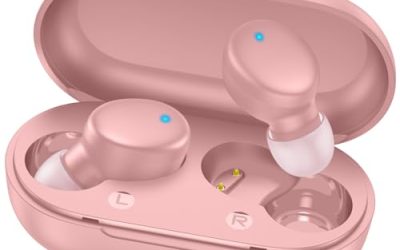
MOZOTER lists a mini, light weight design with Bluetooth 5.3, 60Hrs of playtime, a charging case, and smart touch control. It is the straightforward choice for someone who wants a regular earbud shrunk down.
- Strength: the light weight and mini body reduce long-session fatigue.
- Strength: 60Hrs total playtime cuts charging chores.
- Trade-off: touch controls can trigger when you adjust the bud.
Skip it if you want cancelling or open-ear airflow. It suits students and office workers who want an unfussy all-day bud, with a modern Bluetooth version and a case sized for a pocket. Because the listing leans on weight and size rather than flashy extras, it is a safe first step for anyone testing whether small buds fix their comfort problem.
Yihou Invisible Mini Earbuds
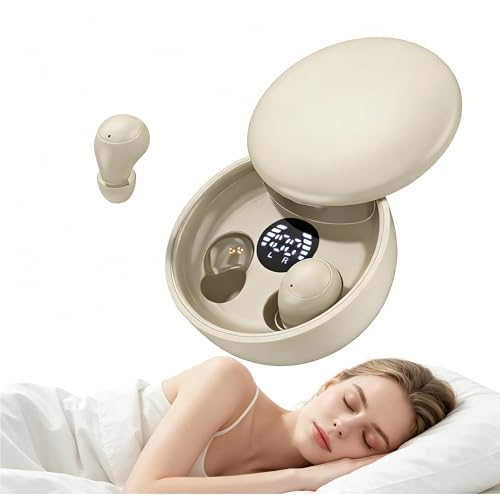
Yihou describes invisible, small, low-profile sleep earbuds in a micro, discreet shape, with a mention of kids’ ears. The point is a body that nearly disappears when you lie down.
- Strength: the low profile avoids pillow pressure.
- Strength: a tiny body suits narrow ear openings.
- Trade-off: tiny buds typically trade away battery and controls.
Skip it if you want strong sound or calls. It suits quiet listening before sleep, where a small body matters more than features, and parents shopping for a young listener. Expect to spend a few minutes finding the tip that stays put, and keep the pair for bedtime rather than for commuting.
goazzzl Sleep Earbuds
goazzzl pitches invisible mini wireless earbuds for small ear canals, with an ergonomic shape, premium sound, and one-step auto pairing. The ergonomic wording suggests a design shaped to the ear rather than a standard bullet.
- Strength: it is aimed squarely at small ear canals.
- Strength: auto pairing makes setup simple.
- Trade-off: the title offers little on battery hours.
Skip it if you want sport features or a visible spec list. It suits anyone who has failed with standard tips and wants a purpose-made small shape. Because the shape is the selling point, it is worth trying the fit in a quiet room first, since the ergonomic design only helps if it sits where your ear needs support.
TOZO OpenEarRing
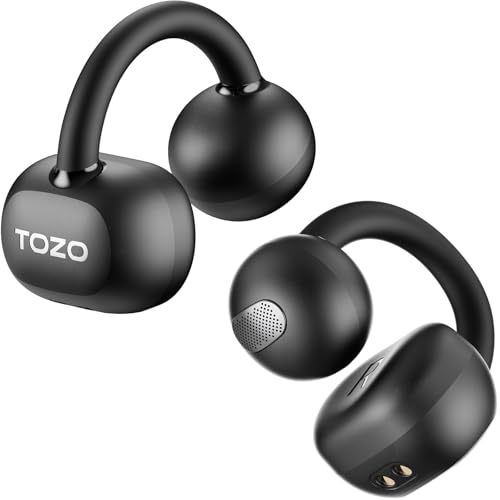
TOZO OpenEarRing is an open-ear clip-on design with 40H of playtime, Bluetooth 5.4, a lightweight comfort focus, and a digital LED display that shows charge. Sound is delivered near the ear instead of inside it.
- Strength: nothing enters the canal, so tip pressure disappears.
- Strength: the LED display shows exact battery status.
- Trade-off: open-ear sound leaks and offers little isolation.
Skip it if you ride loud trains. It suits walkers, desk workers, and people who dislike a sealed feeling, and for anyone who finds that canal tips make their ears feel warm after an hour. The battery display removes guesswork about when to charge.
Kinglucky Clip-On Gen 3
The Gen 3 uses open-ear clip-on wireless Bluetooth 6.0 with a microphone, a secure fit for small ears and glasses wearers, 50H of playtime, and ENC. It is the most feature-complete clip-on in this set.
- Strength: the title speaks directly to small ears and glasses.
- Strength: Bluetooth 6.0 and 50H are strong specs for the category.
- Trade-off: open-ear design means leakage at high volume.
Skip it if you want a sealed, bass-heavy sound. It suits remote workers who take calls and wear glasses, since the clip avoids the temple arm and the microphone with ENC supports meetings. It is also a good option for anyone who has found earlier clip designs too loose.
Open Ear Wireless Earbuds (80H)
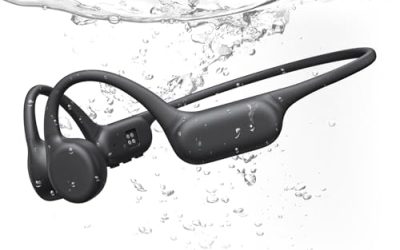
This unbranded open-ear model lists 80H of playtime, ENC noise cancelling for calls, fast charging, and an IPX7 sports rating. It is the longest-lasting open-ear choice in this guide.
- Strength: 80H and fast charging reduce downtime.
- Strength: IPX7 suits exercise and rain.
- Trade-off: the generic title makes brand support unclear.
Skip it if you want a named brand. It suits runners who want airflow and awareness of traffic, and cyclists who want to hear horns. The long playtime claim also makes it a travel companion when outlets are scarce.
TOZO NC9
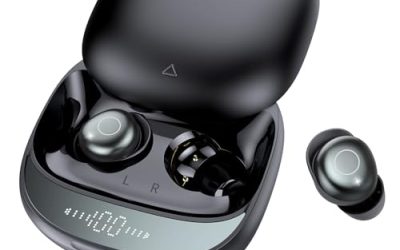
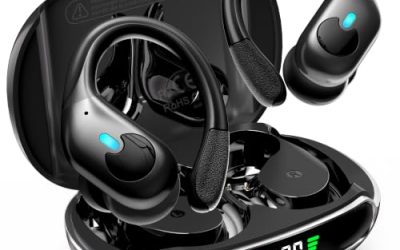
The NC9 is the in-ear cancelling pick, with hybrid active noise cancelling, 60H of playtime, an LED display, six microphones for ENC calls, deep bass, IPX8, and Bluetooth 5.3.
- Strength: hybrid ANC and IPX8 cover commuting and workouts.
- Strength: the LED display shows charge clearly.
- Trade-off: a sealing in-ear body may press on very small canals.
Skip it if you cannot tolerate any canal pressure. It suits commuters who need quiet and a sweat-proof body in one pair, provided the fit works for them. Try the smallest tip first, and return it quickly if it still presses, because cancelling only helps when the seal is comfortable.
sunvito Sleep Earbuds
sunvito offers silicone sleep earbuds for side sleepers with noise blocking, a hidden design, and an LED display. The silicone body is the comfort claim, since it flexes against the ear.
- Strength: soft silicone suits lying on your side.
- Strength: an LED display gives battery information.
- Trade-off: the title does not list playtime or Bluetooth version.
Skip it if you want a sport or call-focused bud. It suits nighttime listening for side sleepers who have found rigid buds painful. Keep the volume low, and pair it with a phone timer so audio ends once you fall asleep.
Oraimo SpaceBuds Neo
Oraimo lists Bluetooth 5.4, a built-in microphone, clear talk, an immersive game mode, and a comfortable fit. It is a mainstream budget bud with a gaming angle.
- Strength: game mode suits mobile gaming.
- Strength: clear talk supports calls.
- Trade-off: it is a standard in-ear body, so small canals need the smaller tips.
Skip it if tip pressure has bothered you before. It suits gamers and students who want a recent Bluetooth version and a game mode at a budget tier, and who are confident that smaller tips will solve the fit.
Which One Fits Your Situation
You Wear Glasses
The Kinglucky Clip-On Gen 3 is the one that names both small ears and glasses wearers in its title.
You Want Zero Canal Pressure
Pick the TOZO OpenEarRing or the 80H Open Ear Wireless Earbuds, since neither seals the canal.
You Sleep on Your Side
Choose the sunvito Sleep Earbuds or the Yihou model for a low-profile body.
You Need Noise Cancelling
The TOZO NC9 is the only hybrid ANC model, so it is the answer for noisy commutes.
Common Mistakes
- Choosing a sealing bud for a narrow canal and blaming the ear.
- Buying a sleep bud for a workout when it lacks a sweat rating, since sweat can damage an unrated bud quickly.
- Judging comfort in ten minutes instead of a full two-hour session.
- Ignoring the weight of the case when it lives in a small pocket, or forgetting that a bulky case can pull a pocket out of shape.
- Expecting open-ear buds to block noise, when the design deliberately leaves the ear open, and turning the volume up to compensate.
Related guides
- Logitech G Pro X Superlight 2 Vs Razer Viper V3 Pro
- Motherboard Io Panel And Back Connectors Explained
- How To Record Your Computer Screen With Audio
Frequently Asked Questions
Are open-ear earbuds more comfortable?
For many small-ear owners, yes, because nothing presses into the canal. The trade-off is sound leakage and weaker bass.
How do I know a tip is too big?
If your ear aches or the bud pops out, the tip is wrong. Try the smallest size, then step up only if the sound feels thin. A tip that fits well should seal without any pinching, and should stay put when you shake your head gently.
Can sleep earbuds replace regular ones?
For quiet listening, yes. For calls and sport, a regular bud is better.
Does a lighter bud sound worse?
Not necessarily. Comfort depends on shape, and tuning depends on the driver. Very small sleep buds do give up some bass, but for podcasts and quiet music the difference is minor.