Key takeaways
- Excellent 1080p/1440p value: especially strong once discounts hit.
- DLSS 4 and frame gen: big effective performance uplift in supported games.
- Modern I/O: PCIe 5.0 and HDMI/DP 2.1 across the board.
- SFF options: compact models fit small-form-factor builds.
What's inside
The RTX 5060 Ti has quietly become one of the best value stories in the current GPU lineup, and recent price movement makes it more tempting than ever for 1080p and 1440p gamers. With Blackwell architecture, GDDR7 memory, and DLSS 4, it punches well above what its mid-range positioning suggests.
But the 5060 Ti isn’t a single product. It ships in 8GB and 16GB variants across a range of coolers and clock speeds, and those differences matter more than the sticker price. Here’s how to read the deals and pick the right card for your build.
As an Amazon Associate we earn from qualifying purchases.


🎮 Get More From Your Setup — Free
Prime Gaming gives you free PC games every month, in-game loot, and a free Twitch channel sub — plus fast free shipping on all the gear above. New members get a 30-day free trial.
Watch: Rtx 5060 Ti Price Drop: Review & Buyer’s Guide — Video Review
Design & Build
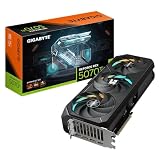
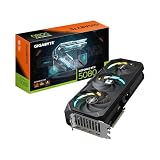
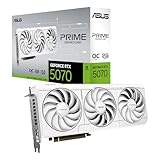
Board partners have gone to town on this GPU. The PNY Epic-X ARGB and ZOTAC Twin Edge lean compact and SFF-ready for small cases, while GIGABYTE’s WINDFORCE and Gaming OC models use larger triple- and dual-fan shrouds for cooler, quieter operation. Standouts like the GIGABYTE AORUS AI Box even add Thunderbolt 5 for external GPU use. Across the lineup you get PCIe 5.0, HDMI/DisplayPort 2.1, and a slim 2-slot footprint on most SKUs, so fit is rarely a problem.
Performance
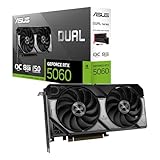
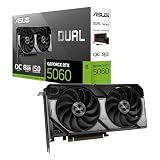
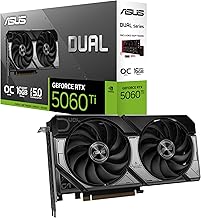
At 1080p the 5060 Ti is comfortably a high-refresh card, and at 1440p it holds strong once DLSS 4 and frame generation are enabled. The single biggest performance decision is memory: the 8GB cards (ASUS Dual, ZOTAC Twin Edge, PNY, base WINDFORCE) are excellent for 1080p, but modern titles at 1440p with maxed textures can bump the VRAM ceiling. The 16GB versions like the GIGABYTE Gaming OC and AORUS AI Box add meaningful headroom for high-res gaming, creator workloads, and local AI, which is where a price drop makes them especially attractive.
Pros & Cons
- Excellent 1080p/1440p value: especially strong once discounts hit.
- DLSS 4 and frame gen: big effective performance uplift in supported games.
- Modern I/O: PCIe 5.0 and HDMI/DP 2.1 across the board.
- SFF options: compact models fit small-form-factor builds.
- 8GB can limit 1440p: the cheaper variant may pressure VRAM in newer titles.
- 128-bit bus: memory bandwidth is modest versus higher tiers.
- Price varies wildly: OC and 16GB models can erode the value gap.
Alternatives to Consider
If your budget is tight and you game at 1080p, the ASUS Dual or ZOTAC Twin Edge 8GB are the smart buys during a price drop. If you play at 1440p or dabble in creation and AI, spend up for the GIGABYTE Gaming OC 16G. Anyone building an SFF or Thunderbolt eGPU setup should look hard at the AORUS AI Box, while the WINDFORCE OC hits a middle ground on cooling and cost.
Frequently Asked Questions
Should I buy the 8GB or 16GB version?
For 1080p, 8GB is plenty and saves money. For 1440p, future-proofing, or creator/AI work, the 16GB card is worth the premium.
Is the 5060 Ti good for 1440p?
Yes, particularly the 16GB model with DLSS 4 enabled. The 8GB card can do 1440p but may need texture settings dialed back in the newest games.
Does it need a new power supply?
Most 5060 Ti builds are happy on a quality 600W–650W unit. Check your card’s connector and your PSU’s rating before upgrading.
How much does the price actually drop?
Deals fluctuate, but discounts are most common on 8GB dual-fan models. Watch OC and 16GB SKUs, since their higher baseline can eat into the savings.
Verdict
A discounted RTX 5060 Ti is one of the easiest mid-range recommendations right now. Grab an 8GB ASUS Dual or ZOTAC Twin Edge for pure 1080p value, or stretch to the GIGABYTE Gaming OC 16G if you want a card that stays comfortable at 1440p for years. Just let the memory capacity, not only the price, guide your decision.