Key takeaways
- Give your mouse room. Leave a wide, clear zone to the side of your keyboard so low-sensitivity aiming has space to breathe.
- Center the monitor. Line it up with your body and your keyboard so you are not twisting your neck to see the screen.
- Keep essentials within reach. Headset, drink, and phone should be grabbable without leaning or standing.
What's inside
Building your first gaming setup is exciting, but it is easy to overspend on the wrong things and end up with a corner that looks impressive yet feels awkward to use. The truth is that a great beginner setup is built around comfort, clear audio, and a few well-chosen pieces, not a wall of RGB. Getting the fundamentals right early means you enjoy every session more and avoid the sore neck, muffled voice chat, and cable chaos that plague rushed first builds.
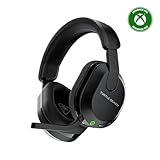
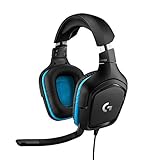
This guide breaks a first setup into the parts that actually matter: where you sit, how you hear the game, how your desk is arranged, and how to spend your budget so nothing feels like a compromise. You will finish knowing exactly what to prioritize and what can wait. To get you started, here are the headsets we recommend for new players who want clear sound and comfortable voice chat without paying flagship prices.
As an Amazon Associate we earn from qualifying purchases.






⚡ Save on Your Next PC — Amazon Prime
Prime members get fast free shipping on the systems above, plus early access to Prime Day & Black Friday PC deals. New members get a 30-day free trial.
Watch: Best Gaming Setup for Beginners (2026 Guide) — Video Review
Start With Comfort and Ergonomics
Your body is the part of the setup you will notice first when something is wrong. A chair that supports your lower back, a desk at the right height, and a monitor whose top edge sits roughly at eye level will do more for long sessions than any flashy peripheral. Your feet should rest flat, your forearms should be roughly parallel to the desk, and your wrists should stay neutral rather than bent up. Sort this out before you spend on extras, because no headset or keyboard fixes a setup that hurts to sit at.
Choose the Right Headset
For most beginners, a headset beats separate speakers and a microphone because it delivers positional audio and clear voice chat in one affordable package. A wired option like the Razer BlackShark V2 X or JBL Quantum 100M2 keeps things simple and cheap, while a wireless model such as the Turtle Beach Stealth 600 or Logitech G522 frees you from a cable if that matters to you. Look for a detachable or flip-up mic, comfortable ear cushions you can wear for hours, and a fit that is snug without squeezing. Surround sound is a nice bonus, but clarity and comfort matter far more.
Plan Your Desk Layout
- Give your mouse room. Leave a wide, clear zone to the side of your keyboard so low-sensitivity aiming has space to breathe.
- Center the monitor. Line it up with your body and your keyboard so you are not twisting your neck to see the screen.
- Keep essentials within reach. Headset, drink, and phone should be grabbable without leaning or standing.
Get Your Lighting and Audio Right
Lighting affects both eye comfort and how your space feels. A soft bias light behind the monitor reduces eye strain in a dark room far better than gaming in total blackness or under harsh overhead glare. On the audio side, set your headset volume so you can still hear people around you if you share a space, and use the mic monitoring feature many headsets include so you do not shout. Good sound is not about being the loudest; it is about hearing footsteps and teammates clearly.
Manage Cables and Budget Wisely
Tangled cables make a setup feel cheap and make cleaning a chore. A handful of reusable ties and a cable channel under the desk transform the look for a few dollars. When it comes to budget, spend where your body meets the machine first, chair, headset, mouse, and keyboard, and save the splurge purchases like a second monitor or elaborate lighting for later. A focused setup you actually enjoy beats an expensive one full of parts you rarely touch.
Tips
- Try a wired headset first; it is cheaper, has no battery to charge, and never drops out mid-match.
- Raise your monitor with a stand or a couple of sturdy books so its top edge meets your eye line.
- Buy one quality peripheral at a time instead of a cheap everything-bundle you will replace within a year.
- Test your mic in a recording before your first voice chat so teammates are not blasted or unable to hear you.
Frequently Asked Questions
Do I need a wireless headset to start?
Not at all. Wired models like the Razer BlackShark V2 X or BENGOO G9000 deliver great sound for less, with no charging and no risk of dropouts. Go wireless later if cable-free freedom becomes something you value.
Should I buy two monitors right away?
A single good monitor is the smarter first purchase. Master your setup and see how you actually play before adding a second screen; many beginners find one is plenty for a long time.
Is surround sound worth it for a beginner?
It can help you place footsteps in competitive games, and options like the Ozeino 7.1 headset include it affordably. That said, clear stereo sound and a comfortable fit matter more than the surround label itself.
What should I spend the most on?
Put your money into the things you touch and feel: your chair, headset, mouse, and keyboard. These shape every session, while decorative extras can wait until the essentials are handled.
Conclusion
A beginner gaming setup succeeds when it is comfortable, clear-sounding, and organized, not when it is crammed with gear. Get your seating and screen height right, pick a headset that fits well and sounds clean, arrange your desk so everything is within reach, and tidy your cables. Nail those basics in 2026 and you will have a space that feels great to sit down at every single day.