Key takeaways
- Pro: Single-cable USB-C setup makes portable monitors nearly plug-and-play.
- Pro: Lightweight, travel-friendly designs for work anywhere.
- Pro: Wide compatibility with laptops, phones, and game consoles.
- Pro: Desktop options add higher refresh rates and larger sizes.
What's inside
Once you’ve worked with a second screen, going back to a single laptop display feels like typing with one hand tied behind your back. An extra monitor doubles your workspace for research, coding, spreadsheets, or gaming, and thanks to portable USB-C panels, that second screen no longer has to stay chained to your desk.
We looked at the most popular ways to add a screen to your laptop, from featherweight portable monitors you can slip into a bag to full-size desktop displays for a permanent setup. Here’s what these options deliver and how to choose the right one for your workflow.
As an Amazon Associate we earn from qualifying purchases.



🎮 Get More From Your Setup — Free
Prime Gaming gives you free PC games every month, in-game loot, and a free Twitch channel sub — plus fast free shipping on all the gear above. New members get a 30-day free trial.
Watch: Extra Monitor For Laptop: Review & Buyer’s Guide — Video Review
Design & Build
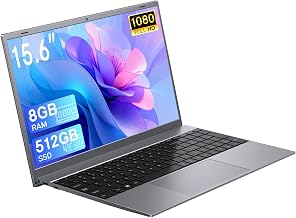
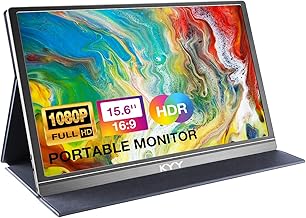
The portable category dominates here, and the designs are impressively slim. Panels like the MNN 15.6″ and Anyuse 15.6″ are ultra-thin, zero-frame USB-C displays weighing well under two pounds, with kickstands and single-cable operation. The KEFEYA Laptop Screen Extender takes a different approach, clipping alongside your laptop lid to create a true dual-screen laptop. On the desktop side, the Philips 22-inch and 24-inch monitors are conventional stand-mounted displays for a fixed home office. Build quality across portables is solid, though the featherweight construction means you’ll want a protective sleeve for travel.
Performance
For productivity, all of these do the core job well, extending your desktop over a single USB-C or HDMI cable. The 15.6″ FHD IPS portables like the MNN and VILVA offer sharp 1080p visuals, HDR support, and even built-in speakers, making them versatile for work and casual gaming or console use. The KEFEYA extender shines for road warriors who want a genuine multi-monitor laptop setup without carrying a stand. The Philips desktop monitors step up with 100Hz refresh rates and larger screens, better suited to a stationary workstation where smoothness and size matter more than portability.
Pros & Cons
- Pro: Single-cable USB-C setup makes portable monitors nearly plug-and-play.
- Pro: Lightweight, travel-friendly designs for work anywhere.
- Pro: Wide compatibility with laptops, phones, and game consoles.
- Pro: Desktop options add higher refresh rates and larger sizes.
- Con: Portable panels rely on your laptop’s battery unless separately powered.
- Con: Built-in speakers and kickstands are functional but basic.
- Con: USB-C video output isn’t available on every laptop.
Alternatives to Consider
If you rarely leave your desk, a full-size display like the Philips 24-inch offers more screen and a smoother 100Hz panel for less money than premium portables. If you want the most integrated on-the-go experience, the KEFEYA clip-on extender turns your laptop into a genuine dual-screen machine. For pure flexibility across devices, a standalone 15.6″ IPS portable like the MNN remains the most versatile pick.
Frequently Asked Questions
Will a portable monitor work with just one USB-C cable?
If your laptop’s USB-C port supports video output (DisplayPort Alt Mode) and enough power, yes, a single cable carries both signal and power. Otherwise you may need the included HDMI cable plus separate power.
Does an external monitor drain my laptop battery faster?
USB-C-powered portable monitors draw from your laptop, so battery life drops. For long unplugged sessions, use a monitor with its own power input or keep your laptop charging.
Can I use these screens with a phone or game console?
Most portable monitors support phones, Switch, PlayStation, and Xbox over USB-C or HDMI, making them handy far beyond laptop work.
Is a portable or desktop monitor better for me?
Choose portable if you travel or work in different spots; choose a desktop monitor like the Philips models if you want a larger, higher-refresh screen at a fixed workstation.
Verdict
For most laptop users, a slim 15.6″ USB-C portable like the MNN offers the best blend of flexibility and value. Frequent travelers who want a true dual-screen setup should look at the KEFEYA extender, while a stationary desk is better served by the larger, smoother Philips 24-inch.