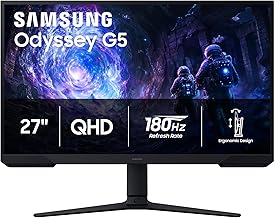
Key takeaways
- Refresh Rate: Match the panel’s max refresh rate (144Hz, 180Hz, 240Hz, or 310Hz) to your GPU’s realistic frame output; a higher number is wasted if your rig can’t push frames to match.
- Response Time & Overdrive: Set Extreme Low Motion Blur (ELMB) or overdrive to the manufacturer-recommended level—pushing it too high causes overshoot ghosting instead of reducing blur.
- Sync Technology: Enable G-SYNC Compatible or FreeSync Premium in both the monitor OSD and your GPU control panel to eliminate screen tearing without adding input lag.
- Resolution vs. Panel Size: 1080p favors higher refresh rates on smaller screens, while 1440p on a 27″ panel balances sharpness and frame rate for most modern GPUs.
- Color Accuracy & HDR: Calibrate sRGB mode for competitive titles and reserve HDR400 profiles for single-player or cinematic games where color depth matters more than raw speed.
What's inside
Getting the most out of an ASUS gaming monitor isn’t just about picking the right model—it’s about dialing in the correct settings once it’s on your desk. Too many gamers unbox a high-refresh-rate display, plug it in, and never touch the OSD menu, leaving performance, clarity, and motion handling on the table. Between refresh rate caps, response time overdrive levels, HDR toggles, and sync technology conflicts, there’s a real risk of paying for premium specs and never actually experiencing them.
This guide breaks down which ASUS TUF and ROG Strix monitors are worth buying in 2026, plus the exact settings adjustments that unlock their full potential for competitive and casual gaming alike.
As an Amazon Associate we earn from qualifying purchases.


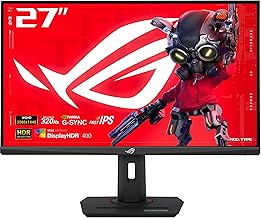
🎮 Get More From Your Setup — Free
Prime Gaming gives you free PC games every month, in-game loot, and a free Twitch channel sub — plus fast free shipping on all the gear above. New members get a 30-day free trial.
Watch: Best Gaming Settings For Asus Monitor — Video Review
How to Choose a Gaming Settings For Asus Monitor (2026)
- Refresh Rate: Match the panel’s max refresh rate (144Hz, 180Hz, 240Hz, or 310Hz) to your GPU’s realistic frame output; a higher number is wasted if your rig can’t push frames to match.
- Response Time & Overdrive: Set Extreme Low Motion Blur (ELMB) or overdrive to the manufacturer-recommended level—pushing it too high causes overshoot ghosting instead of reducing blur.
- Sync Technology: Enable G-SYNC Compatible or FreeSync Premium in both the monitor OSD and your GPU control panel to eliminate screen tearing without adding input lag.
- Resolution vs. Panel Size: 1080p favors higher refresh rates on smaller screens, while 1440p on a 27″ panel balances sharpness and frame rate for most modern GPUs.
- Color Accuracy & HDR: Calibrate sRGB mode for competitive titles and reserve HDR400 profiles for single-player or cinematic games where color depth matters more than raw speed.
The Best Gaming Settings For Asus Monitor (2026)s Reviewed
ASUS TUF Gaming VG27AQ3A
This 27″ QHD panel hits a sweet spot for gamers upgrading from 1080p, delivering 180Hz and Fast IPS clarity with G-SYNC Compatible support that stays tear-free once enabled alongside ELMB Sync. Set overdrive to “Fast” rather than “Extreme” for the cleanest motion without ghosting artifacts.
ASUS TUF Gaming Series 5 VG259QMR5A
With a blistering 310Hz refresh rate and 0.3ms response time, this monitor is built for esports players who need every frame; enable Gaming AI mode for automatic scene optimization and pair it with FreeSync Premium for rock-solid consistency in fast-paced shooters.
ASUS TUF Gaming VG249QE5A
A budget-friendly 24″ workhorse that overclocks to 146Hz, this display rewards users who manually enable the overclock in the OSD rather than relying on default settings, and its Variable Overdrive keeps motion sharp across varying frame rates.
ASUS TUF Gaming VG279QM5A
The 27″ 240Hz version of ASUS’s popular Full HD line, this monitor benefits from disabling HDR when gaming competitively, since standard SDR with 99% sRGB and ELMB Sync active produces noticeably crisper fast-motion visuals.
ASUS ROG Strix XG27ACS
This USB-C-equipped 1440p panel is ideal for hybrid setups with laptops or consoles, and pairing its HDR400 mode with G-SYNC Compatible delivers vibrant contrast without sacrificing the 180Hz refresh rate during single-cable operation.
Frequently Asked Questions
Should I use HDR for competitive gaming?
Generally no—HDR adds processing overhead and can mute color contrast in bright scenes; stick to SDR with a calibrated sRGB profile for the fastest, most predictable visuals in competitive titles.
What’s the difference between G-SYNC Compatible and true G-SYNC?
G-SYNC Compatible monitors use the VESA Adaptive-Sync standard validated by NVIDIA rather than a proprietary hardware module, delivering nearly identical tear-free performance at a lower price point.
Do I need to manually enable ELMB Sync?
Yes, on most ASUS TUF and ROG models, Extreme Low Motion Blur Sync must be turned on manually in the OSD menu, and it typically disables variable refresh rate while active, so choose based on whether motion clarity or tear-free performance matters more for your game.
Is 1440p or 1080p better for high refresh rate gaming?
1080p is easier to drive at extreme refresh rates like 240Hz or 310Hz on mid-range GPUs, while 1440p offers sharper detail but demands significantly more graphics horsepower to sustain high frame rates.
Final Thoughts
For most gamers in 2026, the ASUS TUF Gaming VG27AQ3A offers the best balance of resolution and speed, while the VG259QMR5A is the top pick for esports players chasing maximum refresh rate, and the ROG Strix XG27ACS stands out for anyone wanting HDR visuals and USB-C convenience in one package.