Key takeaways
- Adjustable lumbar support for lower back alignment
- Headrest to reduce neck strain
- Reclining backrest (ideally 90°–135° or more) for flexible seating positions
What's inside
Choosing the right gaming chair is about more than aesthetics — it directly affects your posture, comfort during long sessions, and even your performance. A poorly designed chair can lead to back pain, fatigue, and distraction, while the right one supports your body through hours of gameplay, streaming, or remote work. With so many models on the market boasting different materials, adjustability options, and support systems, it’s easy to get overwhelmed by marketing claims rather than actual functionality.
In this guide, you’ll learn what to actually look for in a gaming chair: the materials that hold up over time, the adjustability features that matter most, how load capacity and body size affect your choice, and the difference between chairs designed for short bursts of gaming versus all-day use. By the end, you’ll be able to confidently pick a chair suited to your setup, budget, and body type.
As an Amazon Associate we earn from qualifying purchases.





🎮 Get More From Your Setup — Free
Prime Gaming gives you free PC games every month, in-game loot, and a free Twitch channel sub — plus fast free shipping on all the gear above. New members get a 30-day free trial.
Watch: How to Choose the Right Gaming Chair — Video Review
Material and Build Quality
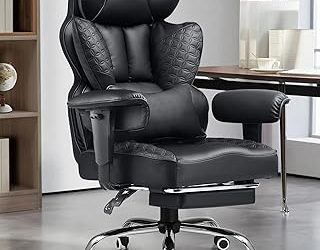
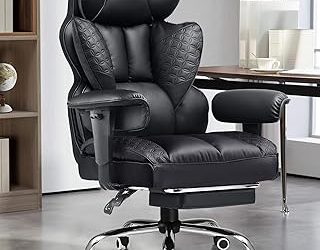
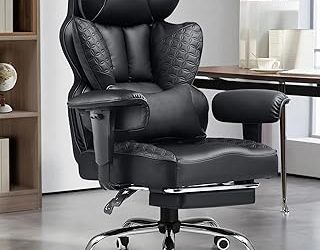
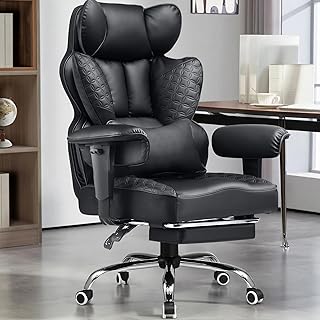
The chair’s outer material affects both comfort and longevity. PU leather options, like the Gaming Chair for Adults Gamer Game Ergonomic PC Chair with 7-Point Support, offer a sleek look and are easy to wipe down, but can feel warm during extended use. Fabric or mesh-backed designs, such as the GTPLAYER Gaming Chair with Footrest and Lumbar Support, tend to breathe better and suit warmer climates or longer sessions. Beyond the surface, check the frame material — steel frames with foam padding generally outlast chairs built on lighter plastic components, especially under daily use.
Ergonomic Support Features
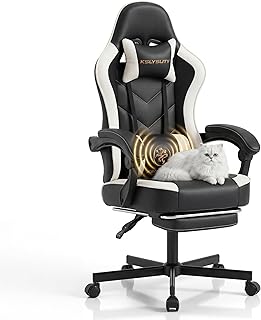
Lumbar support is one of the most important factors in preventing lower back strain. Look for chairs with adjustable or pocket-spring lumbar support, like the GTPLAYER Big and Tall Gaming Chair with Ergonomic Pocket Spring Lumbar Support, which contours to your spine rather than applying flat, static pressure. A high backrest that supports your shoulders and neck, combined with a headrest, further reduces tension during long play sessions.
- Adjustable lumbar support for lower back alignment
- Headrest to reduce neck strain
- Reclining backrest (ideally 90°–135° or more) for flexible seating positions
Size, Weight Capacity, and Fit
A chair that doesn’t match your body size will undermine even the best ergonomic design. If you’re above average height or weight, prioritize “big and tall” rated chairs with reinforced frames and higher load capacities — some models, like the Gaming Chair for Adults Gamer Game Ergonomic PC Chair, support up to 400lbs. Seat width matters too; a 51cm-wide seat, for example, accommodates a broader range of body types comfortably. Always check both the seat depth and the maximum recommended height/weight before buying.
Adjustability and Customization
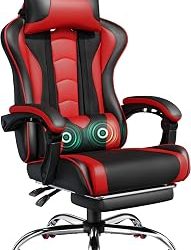
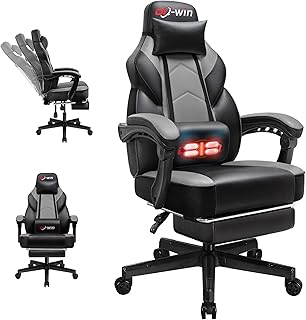
The more adjustable a chair is, the better it can adapt to your desk setup and personal comfort preferences. Look for height-adjustable seats, 360° swivel bases, and armrests that sync with backrest movement, as seen in sync-armrest designs. Footrests, included in several models like the DL-win Gaming Chairs for Adults with Massage Lumbar Support, add versatility for reclining and relaxing between sessions without needing to leave your desk.
Extra Comfort Features
Some chairs go beyond basic ergonomics with added comfort technology. Massage lumbar support, found in chairs like the DL-win Gaming Chair, uses subtle vibration to relieve tension during marathon sessions. 3D saddle-shaped cushions, like those on the GTPLAYER Big and Tall model, distribute weight more evenly across the seat, reducing pressure points. These features aren’t essential, but they can make a noticeable difference if you spend 4+ hours seated daily.
Tips
- Sit with your feet flat on the floor (or a footrest) and knees at roughly a 90° angle for proper alignment.
- Recline periodically throughout the day to relieve spinal pressure, especially in chairs with a 135°+ backrest range.
- Clean PU leather chairs with a damp cloth regularly to prevent cracking over time.
- Tighten armrest and base bolts every few months, as regular movement can loosen hardware.
Frequently Asked Questions
How much should I spend on a gaming chair?
Budget-friendly chairs in the $100–$200 range can offer solid ergonomics for casual use, while $250+ chairs typically add better materials, stronger frames, and features like massage lumbar support or higher weight capacities. Match your spend to how many hours per day you’ll actually use it.
Is a gaming chair better than a standard office chair?
Not automatically — quality matters more than category. However, many gaming chairs designed with pocket-spring cushions, adjustable lumbar support, and reclining backrests offer ergonomic features that budget office chairs often skip.
What weight capacity should I look for?
As a rule of thumb, choose a chair rated for at least 50–75lbs more than your actual body weight to ensure the frame and cushioning aren’t under constant maximum stress, which shortens lifespan.
Do footrests actually help?
Yes, particularly for reclining breaks. A built-in footrest lets you relax fully without needing a separate ottoman, which is useful in smaller gaming setups.
Conclusion
The best gaming chair is the one that matches your body size, session length, and desk setup — not necessarily the most feature-packed option. Prioritize genuine lumbar support, a frame rated for your weight, and materials suited to your climate and cleaning habits, and you’ll end up with a chair that keeps you comfortable and focused for years of use.