Key takeaways
- Resolution and size: 27-inch 1440p hits the sweet spot for fast-paced gaming, while 32-inch 4K rewards single-player immersion and creative work. Match pixel density to how far you sit from the screen.
- Refresh rate: 240Hz is the new baseline for OLED gaming, and it pairs beautifully with the panel’s 0.03ms response. Competitive players may want 360Hz-class models; everyone else will be thrilled at 240Hz.
- QD-OLED vs. WOLED: QD-OLED tends to deliver richer color volume and better brightness, while WOLED often uses matte coatings that tame reflections. Both look spectacular; consider your room lighting.
- Burn-in protection: Look for pixel shift, logo dimming, and panel-refresh routines, plus a solid warranty that explicitly covers burn-in for peace of mind.
- Brightness and HDR: OLED excels at contrast, but check full-screen and peak brightness figures if you use the monitor in a bright room or want punchy HDR highlights.
What's inside
OLED monitors have gone from exotic to essential in 2026. The pitch is simple but transformative: perfect per-pixel blacks, near-instant response times, and color that makes an LCD look flat by comparison. For gamers chasing 240Hz-plus motion clarity and for anyone who watches HDR content on their PC, the jump to OLED is the single most obvious upgrade you can make this year.
What has changed is choice. QD-OLED and WOLED panels now span 27-inch 1440p esports screens, 32-inch 4K creative displays, and sweeping 49-inch ultrawides, and prices have finally slid into reach. The catch is that these panels differ in brightness, pixel layout, and burn-in mitigation, so picking the right one takes a little homework. Here is what to weigh, followed by five OLED monitors worth your money.
As an Amazon Associate we earn from qualifying purchases.


⚡ Save on Your Next PC — Amazon Prime
Prime members get fast free shipping on the systems above, plus early access to Prime Day & Black Friday PC deals. New members get a 30-day free trial.
Watch: Best OLED Monitor 2026 — Video Review
How to Choose an OLED Monitor
- Resolution and size: 27-inch 1440p hits the sweet spot for fast-paced gaming, while 32-inch 4K rewards single-player immersion and creative work. Match pixel density to how far you sit from the screen.
- Refresh rate: 240Hz is the new baseline for OLED gaming, and it pairs beautifully with the panel’s 0.03ms response. Competitive players may want 360Hz-class models; everyone else will be thrilled at 240Hz.
- QD-OLED vs. WOLED: QD-OLED tends to deliver richer color volume and better brightness, while WOLED often uses matte coatings that tame reflections. Both look spectacular; consider your room lighting.
- Burn-in protection: Look for pixel shift, logo dimming, and panel-refresh routines, plus a solid warranty that explicitly covers burn-in for peace of mind.
- Brightness and HDR: OLED excels at contrast, but check full-screen and peak brightness figures if you use the monitor in a bright room or want punchy HDR highlights.
The Best OLED Monitors Reviewed
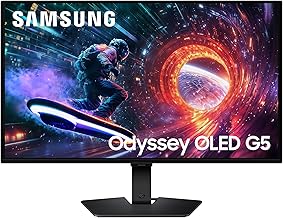
Samsung Odyssey OLED G6 (G61SH)
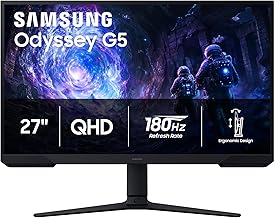
The 27-inch QD-OLED G6 is built for competitive players who refuse to compromise. It runs QHD at a blistering 240Hz with a 0.03ms response and Samsung’s glare-reducing coating, delivering the kind of motion clarity and inky contrast that makes fast shooters feel effortless. It is our top pick for high-refresh 1440p gaming.
ASUS ROG PG32UCDM
For 4K enthusiasts, the 32-inch PG32UCDM is a showcase. Its QD-OLED panel pairs UHD resolution with 240Hz, a custom heatsink for longevity, and stellar HDR pop. It is the display to buy when you want cinematic single-player visuals and desktop sharpness in one panel.
LG UltraGear 27GX704A-B
LG’s 27-inch UltraGear brings WOLED to the 240Hz QHD arena with a 0.03ms response and NVIDIA G-SYNC compatibility. The matte finish handles ambient light gracefully, and LG’s color tuning is reliably excellent. It is a superb alternative for anyone who prefers a glare-free surface.
Samsung Odyssey G9 (G93SC)
If you want maximum immersion, the 49-inch curved QD-OLED G9 wraps DQHD resolution around your field of view at 240Hz. It replaces a dual-monitor setup for productivity and turns racing and flight sims into something spectacular. It is a statement display for the desk with room to spare.
AOC Agon Pro AG276QZD2
The 27-inch Agon Pro proves QD-OLED does not have to break the bank. It pushes up to 280Hz at 1440p with a 0.03ms response, delivering flagship-tier motion at a friendlier price. For value-focused gamers who still want the OLED look, it is a smart buy.
Frequently Asked Questions
Do OLED monitors still suffer from burn-in?
The risk is far lower than it used to be thanks to pixel shifting, logo dimming, and automatic panel-refresh cycles. Vary your content, use a screensaver, and choose a model with a burn-in warranty to stay protected.
Is QD-OLED better than WOLED?
QD-OLED generally offers slightly richer color and brightness, while WOLED panels often use matte coatings that suppress reflections. Both look outstanding, so let your room lighting and preference for glossy or matte decide.
Is 240Hz worth it on an OLED?
Yes. OLED’s near-instant pixel response means 240Hz translates into genuinely clearer motion, not just a spec on the box. Competitive gamers feel the difference immediately over 144Hz.
Should I get 1440p or 4K OLED?
Choose 27-inch 1440p for high-refresh, fast-paced gaming and 32-inch 4K for immersive single-player titles and creative work. Your GPU and preferred games should guide the call.
Final Thoughts
OLED is the defining monitor upgrade of 2026, and there has never been a better time to buy. The Samsung Odyssey OLED G6 is the standout for high-refresh 1440p gaming, the ASUS ROG PG32UCDM rules 4K, and the AOC Agon Pro makes the technology accessible. Decide on size, resolution, and panel type, then enjoy blacks and colors an LCD simply cannot match.