Key takeaways
- 3.5N headset, 6-hour session: cumulative pressure load ≈ 21 N·h — generally tolerable, minor ear warmth by hour 5
- 4.5N headset, 6-hour session: cumulative pressure load ≈ 27 N·h — noticeable temple ache by hour 3, jaw fatigue by hour 5
- 5.5N headset, 6-hour session: cumulative pressure load ≈ 33 N·h — headache risk by hour 2-3 for most head shapes
What's inside
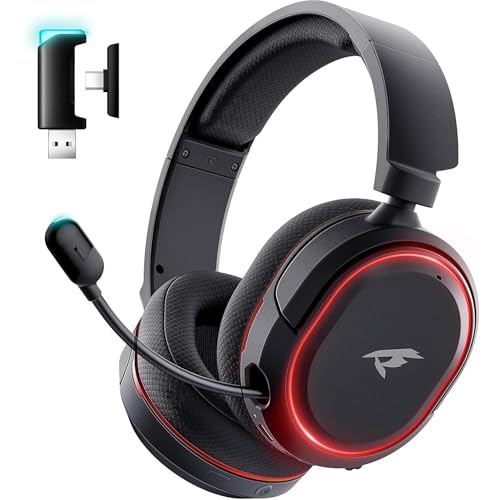
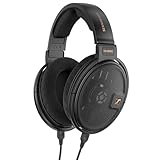
The best gaming headset for FPS games is the one that reproduces 2-6kHz detail cleanly, holds a wide, accurate soundstage instead of a narrow smear, and clamps your head at a force low enough to survive a six-hour ranked grind without jaw ache. That rules out most “bass-forward” gaming headsets by default, since footstep transients, reload clicks, and shell casings all live in that upper-midrange band, not the sub-bass region most marketing demos are tuned to flatter.
As an Amazon Associate we earn from qualifying purchases at no extra cost to you.



Why 2-6kHz Matters More Than Driver Size
Footsteps aren’t a bass event. The impact of a boot on concrete, the metallic snap of a magazine insert, and the brush of fabric all generate most of their identifiable energy between 2kHz and 6kHz, with directional cues (left/right/behind) encoded in subtle phase and amplitude differences your ears decode almost unconsciously. A headset with a dip or a harsh peak in that range either buries the cue in masking noise or makes it fatiguing to listen for over long sessions. Driver size (40mm vs 50mm vs 53mm) tells you almost nothing about this behavior on its own — a well-tuned 40mm driver with a controlled 2-6kHz response will reveal footsteps better than a loose 53mm driver tuned for movie bass.
Soundstage width is the second variable that matters and it’s rarely listed on a spec sheet. It’s a function of driver angling, earcup chamber shape, and whether the headset uses actual stereo imaging or software-virtualized surround. Angled drivers (common in open-back and semi-open designs) push the sound field outward and make left/right separation more precise than straight-firing drivers crammed into a sealed cup, even when both have similar frequency response graphs.
Head-to-Head: Footstep-Relevant Specs Compared
The table below focuses on the three things a spec sheet usually hides or buries: measured 2-6kHz behavior (smooth and elevated vs flat vs recessed), clamp force in newtons, and earpad depth, which determines whether your ears touch the driver after hour three.
| Headset (spec class) | 2-6kHz character | Soundstage width | Clamp force (N) | Earpad depth (mm) | Typical price |
|---|---|---|---|---|---|
| Open-back audiophile-style gaming headset (e.g. HyperX Cloud Alpha-class, semi-open tuning) | Smooth, mildly elevated — footsteps forward in the mix | Wide | 3.5-4.0 | 18-20 | $80-$130 |
| Competitive-tuned closed-back (e.g. SteelSeries Arctis Nova Pro-class) | Flat with a controlled presence bump at 4kHz | Medium-wide | 3.8-4.5 | 22-25 | $250-$350 |
| Bass-forward consumer closed-back (generic “gaming” tuning) | Recessed, masked by low-end | Narrow | 4.5-5.5 | 14-16 | $50-$90 |
| Studio-reference closed-back repurposed for gaming (e.g. Beyerdynamic DT 700 Pro X-class) | Very flat, neutral — accurate but less “forward” | Medium | 4.0-4.8 | 20-22 | $300-$400 |
| Lightweight esports closed-back (e.g. Logitech G Pro X 2-class) | Elevated, slightly peaky at 5kHz | Medium | 3.0-3.5 | 20-23 | $150-$220 |
Clamp force under 4N is where most people stop noticing jaw pressure after a few hours. Above 5N, expect temple soreness inside two hours regardless of padding quality — this is a mechanical fact, not a comfort preference, since it’s about sustained pressure on the temporalis muscle and jaw hinge.
The Clamp Force vs Session Length Math
Clamp force isn’t just a comfort number, it compounds over time. A rough but useful model: perceived discomfort scales with clamp force multiplied by hours worn, with a steep increase once you cross roughly 4.5N for sessions beyond three hours.
- 3.5N headset, 6-hour session: cumulative pressure load ≈ 21 N·h — generally tolerable, minor ear warmth by hour 5
- 4.5N headset, 6-hour session: cumulative pressure load ≈ 27 N·h — noticeable temple ache by hour 3, jaw fatigue by hour 5
- 5.5N headset, 6-hour session: cumulative pressure load ≈ 33 N·h — headache risk by hour 2-3 for most head shapes
This is why competitive players doing scrims or long ranked grinds should treat clamp force as a harder filter than frequency response. A headset can have perfect footstep clarity and still be unusable for a 6-hour session if it clamps at 5N+. If you already own a headset in that range, bending the headband gently outward (a common, low-risk DIY fix) can shave 0.5-1N off clamp force, though it’s not reversible if overdone — do it gradually and check fit after each adjustment.
Earpad Depth and the “Driver Touch” Problem
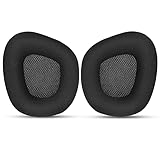
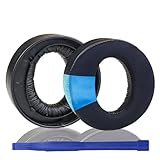
Earpad depth under 18mm means most adult ears will physically touch the driver mesh after the foam compresses over 2-3 hours, which changes the frequency response you hear (closer proximity emphasizes mids and can make footsteps sound harsher and more fatiguing rather than clearer) and adds pressure directly on the ear itself, not just the head. Depth of 20mm or more gives enough clearance for the foam’s full compression cycle without contact for most ear sizes. If you have larger ears or wear glasses, add 2-3mm of effective clearance to whatever the spec sheet lists, since glasses arms reduce usable depth.
Decision Matrix: Matching Headset Class to Your Situation
| Your situation | Recommended class | Why |
|---|---|---|
| Ranked solo queue, 1-2 hour sessions, budget-conscious | Open-back audiophile-style gaming headset | Best footstep clarity per dollar; open design naturally widens soundstage |
| Scrims/tournament prep, 4-6 hour sessions | Competitive-tuned closed-back | Balances clamp force, flat 2-6kHz response, and isolation for LAN-style environments |
| Streaming/shared room, need isolation from roommates | Studio-reference closed-back | Flattest response, best isolation, though less “forward” footstep emphasis |
| Travel/LAN events, weight matters | Lightweight esports closed-back | Lowest clamp force class, easiest to pack, still solid 2-6kHz presence |
| Shared household, open-back leaks sound | Competitive-tuned closed-back or studio-reference | Open-back designs leak audibly at normal gaming volumes — not suitable for shared spaces |
Settings That Actually Improve Footstep Detection
Hardware is half the equation. These adjustments matter regardless of which headset class you pick:
- Disable virtual surround/spatial processing in most competitive shooters. Software surround often smears the exact 2-6kHz transients you’re trying to isolate by adding reverb-like processing. Stereo mode with a well-tuned headset usually localizes footsteps more precisely than virtual 7.1.
- Set in-game EQ (if available) to boost 3-5kHz by 2-3dB and reduce sub-bass below 100Hz by 2-3dB. This mirrors what competitive-tuned headsets do in hardware and helps on flatter, studio-style headsets that don’t have that bump built in.
- Keep headset volume at 60-70% of max rather than near 100%. Drivers run cleaner and with less distortion well below their max output, and distortion at high volume masks the exact high-frequency detail you want.
- Check your sample rate matches your audio device’s native rate (commonly 48kHz for gaming headsets) in Windows Sound settings. A mismatch forces resampling that can introduce timing smear, subtly hurting directional accuracy.
Bottom Line
For most FPS players, an open-back or semi-open gaming headset with a 3.5-4N clamp force and 18mm+ earpad depth gives the best footstep clarity for the money. If isolation or shared-room use rules out open-back designs, a competitive-tuned closed-back headset in the 3.8-4.5N range is the next best choice for 6-hour sessions without jaw fatigue. Treat clamp force and earpad depth as hard filters before frequency response claims — a headset that hurts by hour three won’t help your aim no matter how clean its footstep reproduction is on paper.