Key takeaways
- Architecture & Efficiency: AMD’s Zen 5/6 architectures continue to push core counts and IPC (Instructions Per Clock) gains, often leading in multi-threaded tasks and efficiency. Intel’s hybrid architecture, with its Performance-cores and Efficient-cores, offers a good balance but can sometimes be less predictable in pure gaming benchmarks.
- Integrated Graphics: While discrete GPUs are king for serious gaming, AMD’s integrated RDNA 3.5/4 graphics are increasingly capable, making entry-level gaming PCs more viable without a dedicated graphics card. Intel’s integrated Xe graphics are also improving but generally lag behind AMD’s offerings for gaming.
- Platform Cost: Historically, AMD platforms (motherboards and CPUs) have sometimes offered a slightly lower entry cost, though this can fluctuate based on specific chip generations and market conditions.
- Core Count vs. Clock Speed: AMD often emphasizes higher core counts for multitasking and future-proofing. Intel, while also increasing core counts, has historically focused on strong single-core performance, which remains crucial for many games.
The landscape of PC gaming hardware is a constant race, and as we venture into 2026, the age-old rivalry between Intel and AMD continues to heat up. For gamers looking to build or buy their next rig, understanding the strengths and weaknesses of each processor manufacturer is paramount. While both companies offer compelling options, subtle differences in architecture, price, and performance can significantly impact your gaming experience, especially when considering the latest titles and evolving graphical demands.
Our top picks
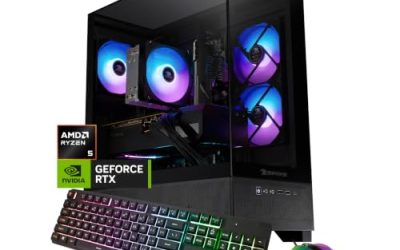
 Prebuilt Gaming PC Desktop
- 【Sleek Design & Efficient Cooling】 Features an A-pillar-free…
- 【Powerful Multi-Core Performance, Smooth Multitasking】 Equipped with the…
- 【Entry-Level Gaming Graphics】Powered by AMD Radeon R7 350…
 NIMO 15.6'' FHD IPS Business-Laptop-Computer
- 【2-Year Manufacturer's Warranty, Partialy Assembled in the USA,…
- 【AMD Ryzen 5 6600H CPU, Excellent 660M GPU】…
- 【Durable Configuration】Our NIMO laptop feature dual-channel memory and…
 ASUS TUF A16 RTX 5060 Gaming Laptop
- Equipped with AMD Ryzen 7 260 processor and…
- IMMERSIVE 165Hz DISPLAY - Features a 16" FHD+…
- Built to withstand daily wear and tear with…
| Product | Key specs | |
|---|---|---|
| Prebuilt Gaming PC Desktop | 【Sleek Design & Efficient Cooling】 Features an A-pillar-free… 【Powerful Multi-Core Performance, Smooth Multitasking】 Equipped with the… 【Entry-Level Gaming Graphics】Powered by AMD Radeon R7 350… | Check price |
| NIMO 15.6'' FHD IPS Business-Laptop-Computer | 【2-Year Manufacturer's Warranty, Partialy Assembled in the USA,… 【AMD Ryzen 5 6600H CPU, Excellent 660M GPU】… 【Durable Configuration】Our NIMO laptop feature dual-channel memory and… | Check price |
| ASUS TUF A16 RTX 5060 Gaming Laptop | Equipped with AMD Ryzen 7 260 processor and… IMMERSIVE 165Hz DISPLAY - Features a 16" FHD+… Built to withstand daily wear and tear with… | Check price |
 NOVATECH Phantom 2.0 | AMD RX580 Graphics card delivers smooth visuals and… GET MORE DONE, FASTER: Powered by an Intel… UPGRADE YOUR SETUP’S LOOK: Encased in a high-quality… | Check price |
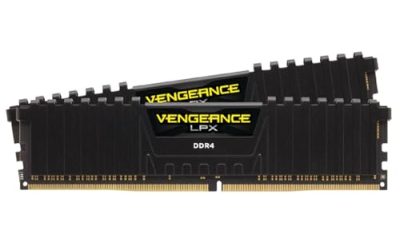
 Corsair Vengeance RGB RS DDR5 16GB | Disclaimer: Maximum Speed requires overclocking/PC BIOS adjustments AMD EXPO & Intel XMP 3.0 Compatible Only:… Dynamic RGB Lighting: Individually addressable RGB lighting delivers… | Check price |
As an Amazon Associate we earn from qualifying purchases at no extra cost to you.
⚡ Save on Your Next PC — Amazon Prime
Prime members get fast free shipping on the systems above, plus early access to Prime Day & Black Friday PC deals. New members get a 30-day free trial.
Watch: Intel vs AMD for Gaming in 2026 — Video Review
Quick Verdict
For pure gaming performance in 2026, AMD generally holds a slight edge in the high-end segment, particularly in CPU-intensive titles, thanks to their efficient Zen architectures. Intel remains a strong contender, especially in mixed-use scenarios and when value is a primary concern, offering excellent single-core performance that still translates well to many games.
Key Differences
- Architecture & Efficiency: AMD’s Zen 5/6 architectures continue to push core counts and IPC (Instructions Per Clock) gains, often leading in multi-threaded tasks and efficiency. Intel’s hybrid architecture, with its Performance-cores and Efficient-cores, offers a good balance but can sometimes be less predictable in pure gaming benchmarks.
- Integrated Graphics: While discrete GPUs are king for serious gaming, AMD’s integrated RDNA 3.5/4 graphics are increasingly capable, making entry-level gaming PCs more viable without a dedicated graphics card. Intel’s integrated Xe graphics are also improving but generally lag behind AMD’s offerings for gaming.
- Platform Cost: Historically, AMD platforms (motherboards and CPUs) have sometimes offered a slightly lower entry cost, though this can fluctuate based on specific chip generations and market conditions.
- Core Count vs. Clock Speed: AMD often emphasizes higher core counts for multitasking and future-proofing. Intel, while also increasing core counts, has historically focused on strong single-core performance, which remains crucial for many games.
Intel for Gaming in 2026
Intel processors in 2026, like the 14th Gen or upcoming 15th Gen chips, continue to be a reliable choice for gamers. They excel in titles that heavily rely on single-core performance and often provide a smoother experience in games that aren’t perfectly optimized for high core counts. Systems like the Blackout Computers Gaming PC Intel 12th Gen, while not the absolute latest, demonstrate Intel’s continued presence in prebuilt markets, offering a solid foundation. For those who also use their PC for productivity, Intel’s hybrid architecture can offer a tangible benefit.
When considering Intel, look for processors with strong clock speeds and a good balance of P-cores. For example, the Prebuilt Gaming PC Desktop, Intel Core i5-14400F offers a robust core count for its tier, making it a capable option for a wide range of gaming scenarios.
AMD for Gaming in 2026
AMD has solidified its position as a top-tier gaming CPU manufacturer. Their Ryzen processors, leveraging the latest Zen architectures, often lead in benchmarks, especially in CPU-bound games and at higher resolutions where the CPU plays a more critical role. The ASUS TUF A16 RTX 5060 Gaming Laptop, powered by an AMD Ryzen 7 260, highlights AMD’s prowess in the laptop space, outperforming even higher-tier Intel CPUs in some gaming contexts. Similarly, the NIMO 15.6″ IPS FHD-Light Gaming-Laptop with its AMD Ryzen 5 6600H demonstrates AMD’s strength in delivering strong gaming performance in more portable form factors.
For desktop builds, AMD’s offerings, whether mainstream Ryzen 5/7 or enthusiast Ryzen 9, provide exceptional gaming performance. Their forward-thinking architectures ensure longevity and can handle the demands of future titles more gracefully.
Which Should You Buy?
- For Peak Gaming Performance (High-End): If your primary focus is achieving the highest possible frame rates in the latest AAA titles and you’re willing to invest, AMD’s top-tier Ryzen processors often offer a slight edge.
- For Value and Mixed-Use: Intel provides excellent value, especially in the mid-range. If you use your PC for gaming and demanding productivity tasks, Intel’s hybrid approach can be very beneficial, and you might find more budget-friendly options like the Prebuilt Gaming PC Desktop, Intel Core i5 up to 3.6GHz or the NOVATECH Phantom 2.0 (though note the older CPU architecture in the latter).
- For Entry-Level/Budget Gaming: AMD’s integrated graphics are becoming increasingly viable for lighter gaming, making laptops and desktops with AMD APUs an attractive option if a discrete GPU isn’t immediately feasible.
- For Laptops: AMD has been particularly strong in gaming laptops, often delivering better performance-per-watt and superior integrated graphics compared to Intel counterparts.
Frequently Asked Questions
What is the best CPU for gaming in 2026?
As of 2026, the “best” CPU depends on your budget and specific needs. For absolute top-tier performance, high-end AMD Ryzen processors generally lead, while Intel’s Core i7 and i9 processors offer compelling alternatives, especially for mixed-use PCs.
Is Intel or AMD better for budget gaming?
Both offer great budget options. AMD often provides strong integrated graphics for entry-level gaming without a discrete GPU. For dedicated gaming PCs, Intel’s Core i3 and i5 processors paired with budget GPUs offer excellent bang for your buck.
Do I need a discrete GPU if I have an AMD Ryzen CPU?
For serious gaming, yes. While AMD’s integrated Radeon graphics are improving, they are typically only suitable for esports titles, older games, or at very low settings. A discrete GPU is essential for modern AAA gaming.
How important is CPU clock speed for gaming?
Clock speed is still important, as it directly influences how quickly a CPU can execute instructions. However, architecture, IPC, and core count are also critical factors, especially in modern games that can leverage multiple cores.
Final Verdict
The Intel vs. AMD debate for gaming in 2026 remains dynamic. AMD continues to push the boundaries of raw gaming performance, particularly in their higher-end offerings. Intel, however, remains a formidable competitor, providing excellent value, strong single-core performance, and a well-rounded experience for users who multitask. Carefully consider your budget, the types of games you play, and your other PC usage to make the most informed decision for your next gaming rig.
FAQ
What is the best CPU for gaming in 2026?
Is Intel or AMD better for budget gaming?
Do I need a discrete GPU if I have an AMD Ryzen CPU?
How important is CPU clock speed for gaming?
More from Amazon
Programs that pair well with the guide above. Offers and eligibility are set by Amazon and may change.
Free shipping on eligible items, Prime Video and more. Eligible new members can start with a free trial.
Start a Prime free trialAd-free music streaming. Eligible new subscribers can start with a free trial.
Try Music Unlimited freeA Prime membership for ages 18-24 with a trial period. Eligibility is set by Amazon.
See Prime for Young AdultsAudiobooks and podcasts to listen to on the go. Eligible new members can start with a free trial.
Try Audible freeAs an Amazon Associate we earn from qualifying purchases.