Key takeaways
- Processor and cores: Look for a modern Intel Core i5 or i7, or a comparable multi-core chip. More cores help with multitasking, browser tabs, and video calls running at the same time.
- Memory (RAM): Aim for 16GB as a baseline in 2026. It keeps dozens of tabs and background apps responsive; 8GB is fine only for very light use.
- Storage type and size: Prioritize an SSD over a hard drive. A 512GB SSD is a comfortable middle ground, and external add-ons can extend capacity cheaply.
- Display and size: A 15.6-inch or 17.3-inch FHD panel suits desk work, while touchscreens add convenience for casual navigation. Bigger screens trade portability for comfort.
- Battery and connectivity: Check for Wi-Fi 6, USB-C, and HDMI. Long battery life matters if you move around, while a numeric keypad helps if you crunch numbers.
What's inside
Shopping for a new laptop in 2026 means wading through a sea of specs, screen sizes, and marketing buzzwords. Whether you need a machine for spreadsheets, streaming, light photo editing, or just everyday browsing, the right choice comes down to matching real-world performance with the way you actually work. The good news is that this year’s mainstream laptops pack surprisingly capable processors, generous memory, and roomy storage without demanding a premium price.
To make your decision easier, we rounded up six of the most compelling everyday laptops available right now, spanning trusted names like Dell, HP, and Lenovo. Each one targets a slightly different buyer, from touchscreen fans to budget-focused students, so you can zero in on the model that fits your needs and your wallet.
As an Amazon Associate we earn from qualifying purchases.




🎮 Get More From Your Setup — Free
Prime Gaming gives you free PC games every month, in-game loot, and a free Twitch channel sub — plus fast free shipping on all the gear above. New members get a 30-day free trial.
Watch: Best Laptop Computers 2026 — Video Review
How to Choose the Right Laptop
- Processor and cores: Look for a modern Intel Core i5 or i7, or a comparable multi-core chip. More cores help with multitasking, browser tabs, and video calls running at the same time.
- Memory (RAM): Aim for 16GB as a baseline in 2026. It keeps dozens of tabs and background apps responsive; 8GB is fine only for very light use.
- Storage type and size: Prioritize an SSD over a hard drive. A 512GB SSD is a comfortable middle ground, and external add-ons can extend capacity cheaply.
- Display and size: A 15.6-inch or 17.3-inch FHD panel suits desk work, while touchscreens add convenience for casual navigation. Bigger screens trade portability for comfort.
- Battery and connectivity: Check for Wi-Fi 6, USB-C, and HDMI. Long battery life matters if you move around, while a numeric keypad helps if you crunch numbers.
The Best Laptops Reviewed
Dell Inspiron 15.6″ Touchscreen Flagship
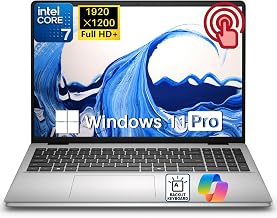
The Dell Inspiron flagship leans into versatility with a 15.6-inch FHD touchscreen, a 10-core Intel i5, and 16GB of RAM paired with generous combined storage. Windows 11 Pro and bundled Office make it a practical pick for home and business users who want a machine that feels responsive out of the box and handles touch navigation smoothly.
HP 17.3″ FHD Business Laptop
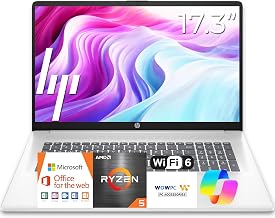
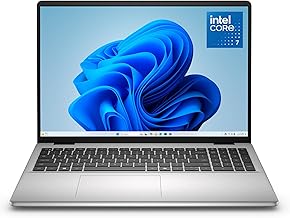
If screen real estate is your priority, the HP 17.3-inch business model stands out with a powerful 13th Gen i7, 32GB of RAM, and a 1TB SSD. That combination makes it the most future-proof option here, comfortably handling heavy multitasking, and the ultra-slim design keeps a big-screen laptop reasonably portable.
Lenovo IdeaPad Touchscreen
The Lenovo IdeaPad delivers a familiar, dependable experience with its 15.6-inch FHD touchscreen, 10-core Intel i5, and 16GB of memory. Long battery life and Windows 11 Pro make it a sensible all-rounder for users who value reliability and a comfortable typing experience over flashy extras.
HP 14 Ultra-Light Copilot Laptop
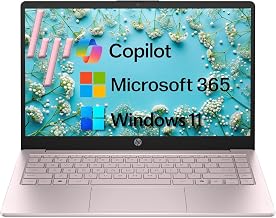
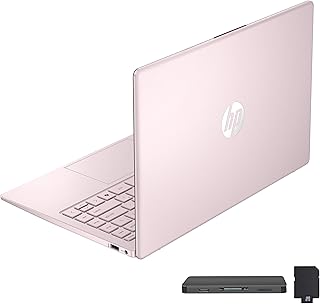
Weighing in as one of the more portable picks, the HP 14 ultra-light emphasizes all-day battery, a quad-core Intel chip, and 16GB of RAM. With Copilot AI features and a year of Office 365 included, it’s aimed squarely at students and mobile professionals who want something easy to carry.
HP Stream 14″ Budget Laptop
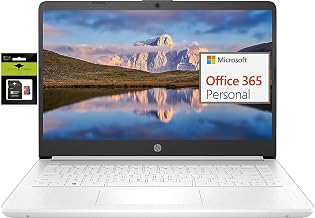
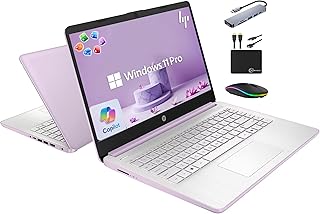
The HP Stream 14 is the value champion of the group. Its Intel N150 processor and 16GB of RAM handle browsing, streaming, and document work, and the included docking-station storage set adds flexibility. It’s a smart choice for a secondary machine or a first laptop on a tight budget.
Frequently Asked Questions
How much RAM do I really need in 2026?
For most people, 16GB is the sweet spot. It keeps everyday multitasking smooth and gives you headroom for years. Only very light users browsing one or two tabs at a time will be well served by 8GB.
Is a touchscreen worth it?
Touchscreens add convenience for scrolling, tapping through menus, and casual use, especially on Windows 11. They’re not essential, but several models here include one at little extra cost, so it’s a nice bonus if you’ll use it.
SSD or hard drive for storage?
Always favor an SSD. Solid-state storage boots faster, launches apps quicker, and feels dramatically snappier than a traditional hard drive. If you need more space, external drives are an inexpensive way to expand.
Do these laptops come with Microsoft Office?
Several models bundle either a lifetime Office license or a year of Office 365. Always confirm the exact terms in the product listing, since bundles can vary between “lifetime” and subscription-based offers.
Final Thoughts
There’s no single “best” laptop for everyone, but this lineup covers the bases. Choose the HP 17.3-inch if you want maximum power and screen space, the Dell Inspiron or Lenovo IdeaPad for balanced touchscreen versatility, or the HP 14 and HP Stream if portability and price top your list. Match the specs to how you actually work, and any of these will serve you well through 2026 and beyond.