Key takeaways
- Affordable performance boost — RAM is a cheap way to speed up a slow PC.
- Range of options covering both DDR3 and DDR4 systems.
- XMP/EXPO support on the CORSAIR kit for easy overclocking.
- High-capacity kits up to 32GB for demanding multitasking.
If you’ve been pricing out a memory upgrade lately, you’ve probably noticed that RAM costs have been climbing. Whether you’re patching up an older desktop or building something new on a budget, understanding what you’re actually paying for helps you spend wisely. This lineup gathers a practical mix of DDR3 and DDR4 memory kits — from budget 8GB modules to a 32GB dual-channel set — that cover common upgrade scenarios without overspending.
The good news is that even with prices trending upward, a memory upgrade remains one of the cheapest ways to breathe new life into a sluggish computer. Below we look at how these kits are built, how they perform in real systems, and where the trade-offs lie so you can choose the right one.
Our top picks


As an Amazon Associate we earn from qualifying purchases at no extra cost to you. Ratings are shown as listed on Amazon.
🎮 Get More From Your Setup — Free
Prime Gaming gives you free PC games every month, in-game loot, and a free Twitch channel sub — plus fast free shipping on all the gear above. New members get a 30-day free trial.
Watch: Cost Of Ram Increase: Review & Buyer’s Guide — Video Review
Design & Build
These modules span two memory generations, and knowing which your system uses is the first step. The CORSAIR Vengeance LPX DDR4 kit (2x16GB, up to 3200MHz) is the premium pick here, with a low-profile heat spreader and support for Intel XMP and AMD EXPO profiles for easy overclocking. The PUSKILL 32GB DDR4 2666MHz kit offers a similar capacity at a friendlier price, while single A-Tech 8GB DDR4 modules suit smaller, targeted upgrades.
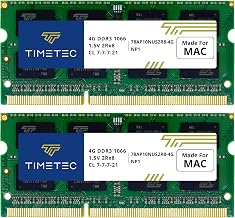
On the DDR3 side, the Acclamator, PC3-10600U, and Timetec kits serve older desktops that can’t use DDR4. These are non-ECC unbuffered 240-pin modules built to standard specs — nothing fancy, but reliable for keeping an aging machine running. The key design consideration isn’t looks; it’s compatibility. DDR3 and DDR4 are physically and electrically different, so you must match the module type, speed, and voltage to your motherboard.
Performance
For everyday performance, capacity matters more than raw speed. Jumping from 8GB to 16GB or 32GB has a dramatic effect on multitasking, letting you keep more browser tabs, apps, and background tasks open without the system swapping to disk. The CORSAIR DDR4 3200MHz kit is the fastest here and pairs well with modern Intel and AMD platforms, delivering snappy responsiveness in gaming and productivity alike.
The DDR4 2666MHz kits (PUSKILL, A-Tech) are a small step slower but still a big upgrade for most systems, and they’re a sensible choice when your motherboard tops out at that speed. The DDR3 modules won’t compete with DDR4 in raw bandwidth, but for an older office PC or a secondary machine, moving to 16GB of DDR3 can make a tired system feel usable again. Always check your board’s maximum supported capacity and speed before buying.
Pros & Cons
- Affordable performance boost — RAM is a cheap way to speed up a slow PC.
- Range of options covering both DDR3 and DDR4 systems.
- XMP/EXPO support on the CORSAIR kit for easy overclocking.
- High-capacity kits up to 32GB for demanding multitasking.
- Compatibility is critical — you must match DDR generation, speed, and voltage.
- DDR3 is legacy and can’t match DDR4 bandwidth.
- Rising prices mean less value per gigabyte than in the past.
Alternatives to Consider
If you’re building a new system, skip these and buy DDR5 for future-proofing, since modern platforms increasingly require it. Users with a DDR4 board should prioritize a matched dual-channel kit like the CORSAIR or PUSKILL sets rather than mixing single modules. And if your PC is DDR3-era and struggling, weigh the cost of memory against simply upgrading to a newer, more capable machine.
Frequently Asked Questions
How do I know if I need DDR3 or DDR4?
Check your motherboard or system specs — the two aren’t interchangeable. Tools like CPU-Z can also identify your current memory type and speed.
Is more RAM or faster RAM better?
For most users, more capacity matters more than speed. Get to 16GB or 32GB first; higher clock speeds offer smaller, secondary gains.
Why has RAM gotten more expensive?
Memory prices fluctuate with market demand and supply cycles. When prices rise, buying only the capacity you need and matching kits helps control cost.
Can I mix different RAM modules?
It’s best to use a matched kit for stability and dual-channel performance. Mixing brands, speeds, or capacities can cause errors or slower operation.
Verdict
A RAM upgrade is still one of the best-value ways to speed up a computer, even as prices climb. For DDR4 systems, the CORSAIR Vengeance LPX and PUSKILL 32GB kits offer the best blend of capacity and speed, while the DDR3 modules keep older machines alive on a budget. Confirm compatibility first, buy a matched kit, and you’ll get a noticeable boost for modest money.