Key takeaways
- Game compatibility: Windows 11 runs virtually every PC title including those with strict anti-cheat, while Linux and SteamOS cover most libraries through Proton but stumble on a handful of protected games. Check your must-play titles first.
- Hardware and cost: Windows licenses add to a build’s price, whereas free Linux distributions stretch a budget further. Factor the OS cost into the total when comparing prebuilt desktops and laptops.
- Ease of use: Windows 11 offers the most plug-and-play experience with universal driver support, while Linux rewards those willing to learn in exchange for control and efficiency.
- Performance overhead: A lean OS can free resources for the game, but real-world differences depend heavily on drivers and title optimization, so prioritize proven GPU support over theoretical gains.
- Form factor fit: Handhelds increasingly favor SteamOS-style systems, desktops lean Windows for flexibility, and mini or budget builds are prime candidates for a free Linux distribution.
What's inside
Choosing the right operating system is one of the most consequential and least discussed decisions a gamer makes. The OS dictates which titles you can play, how well they perform, how much your hardware costs, and how much tinkering stands between you and the main menu. In 2026 the debate is livelier than ever, with Windows 11 still commanding the broadest compatibility, SteamOS surging thanks to the handheld boom, and desktop Linux distributions maturing into legitimate contenders.
Rather than crown a single winner, this guide frames the gaming OS choice around the hardware you buy, because the two decisions are inseparable. We break down what matters when weighing operating systems, then review a range of powerful machines that showcase how Windows 11 remains the default for maximum compatibility while illustrating where the alternatives shine. Use it to align your platform with the games and experience you actually want.
As an Amazon Associate we earn from qualifying purchases.


⚡ Save on Your Next PC — Amazon Prime
Prime members get fast free shipping on the systems above, plus early access to Prime Day & Black Friday PC deals. New members get a 30-day free trial.
Watch: Best Gaming OS 2026 — Video Review
How to Choose Your Gaming Operating System
- Game compatibility: Windows 11 runs virtually every PC title including those with strict anti-cheat, while Linux and SteamOS cover most libraries through Proton but stumble on a handful of protected games. Check your must-play titles first.
- Hardware and cost: Windows licenses add to a build’s price, whereas free Linux distributions stretch a budget further. Factor the OS cost into the total when comparing prebuilt desktops and laptops.
- Ease of use: Windows 11 offers the most plug-and-play experience with universal driver support, while Linux rewards those willing to learn in exchange for control and efficiency.
- Performance overhead: A lean OS can free resources for the game, but real-world differences depend heavily on drivers and title optimization, so prioritize proven GPU support over theoretical gains.
- Form factor fit: Handhelds increasingly favor SteamOS-style systems, desktops lean Windows for flexibility, and mini or budget builds are prime candidates for a free Linux distribution.
The Best Gaming OS Machines Reviewed
Razer Blade 16 (2026)
The Razer Blade 16 is the flagship showcase for Windows 11 gaming on the go, pairing an RTX 5080, 64GB of DDR5, and a 16-inch QHD+ 240Hz OLED display. Windows unlocks its full potential across every launcher and anti-cheat system, and with Wi-Fi 7 and Thunderbolt 5 it is the premium pick for gamers who want zero compatibility compromises in a portable body.
ASUS ROG G700 (2026)
For a desktop that leans on Windows 11’s breadth, the ASUS ROG G700 combines an Intel Core Ultra 7 265KF, RTX 5070, and 32GB of DDR5 in a clean prebuilt package. It represents the mainstream sweet spot: strong performance, universal game support, and none of the driver guesswork, making it an easy recommendation for players who just want everything to work.
Skytech Gaming Azure 3
The Skytech Azure 3 shows how far an AMD-focused Windows build stretches value, with a Ryzen 7 9850X3D and RX 9070 XT backed by 32GB of DDR5 and a 2TB NVMe drive. Its X3D processor is tailored for high frame rates, and running Windows ensures that competitive shooters with anti-cheat run without a hitch on this capable rig.
ZOTAC MEK Gaming PC
A more attainable Windows desktop, the ZOTAC MEK pairs a GeForce RTX 5060 Ti with 16GB of GDDR7 and a Ryzen 7 9700X to deliver smooth 1440p play. It demonstrates that mainstream Windows machines remain the safest all-around choice, offering broad game support and painless setup for players who prioritize reliability over experimentation.
Lenovo Legion Go S
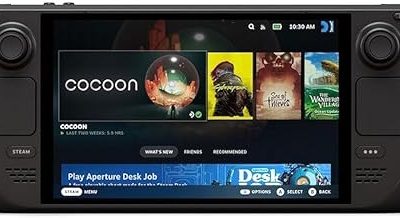
The Legion Go S handheld highlights where alternative gaming systems are surging, with an 8-inch 120Hz PureSight display and a Ryzen Z2 Go chip. Handhelds like this are the frontier where SteamOS-style operating systems increasingly compete, showing that the OS conversation is shifting fastest in portable form factors even as Windows holds the desktop.
Frequently Asked Questions
Is Windows 11 still the best OS for gaming?
For maximum compatibility, yes. Windows 11 runs essentially every PC game, including titles with aggressive anti-cheat that can block Linux. It is the safest default for players who never want to worry about whether a game will launch, which is why the vast majority of prebuilt gaming machines ship with it.
Can Linux or SteamOS replace Windows for gaming?
For many libraries, absolutely. Proton lets Linux and SteamOS run a large share of Windows games well, and they excel on handhelds and budget builds. The main caveat remains a handful of anti-cheat protected multiplayer titles, so check whether your favorites are supported before switching fully.
Does the operating system affect gaming performance?
It can, but drivers and game optimization matter far more than the OS badge. A well-supported GPU on Windows or a lean Linux distribution can both deliver excellent frame rates. Rather than chasing theoretical overhead savings, prioritize strong driver support for your specific graphics card.
Should I dual-boot Windows and Linux?
Dual-booting gives you the compatibility of Windows and the flexibility of Linux on one machine, which appeals to enthusiasts. The trade-off is added complexity and occasional bootloader headaches, so it suits tinkerers more than players who simply want to sit down and start gaming immediately.
Final Thoughts
The best gaming operating system in 2026 depends on the games you play and how much you value control versus convenience. Windows 11 remains the compatibility king that powers flagships like the Razer Blade 16 and mainstream rigs like the ZOTAC MEK, while SteamOS and Linux carve out growing ground on handhelds and budget builds. Decide which titles are non-negotiable, weigh the cost and setup effort, and pick the platform that lets you spend more time playing and less time troubleshooting.