Key takeaways
- Pro: cardioid dynamic pickup
- Pro: listed for studio, live and podcasting
- Pro: simple, uncomplicated design
- Con: needs an XLR interface
- Con: no mute or headphone jack
The best dynamic microphones under $100 are the Shure SM58 for a proven XLR vocal mic, the Samson Q2U for a USB and XLR pack that works on day one, and the RODE PodMic for a broadcast-style podcast voice. Picks are compared from listing specifications: connection type, included accessories, monitoring controls and stated pickup details.
Dynamic mics reject more background sound than condensers, which makes them forgiving in untreated rooms. That is why they suit streaming, podcasting and gaming desks. The main fork is XLR versus USB: XLR needs an audio interface, while USB and hybrid models plug in directly. Home office, small-space and gaming use are covered in the buying section and FAQ.
Quick Comparison
| Model | Key specs per listing | Best for |
|---|---|---|
| Shure SM58 | XLR cardioid dynamic vocal mic for studio, live, podcasting and recording | Reliable vocal pickup with an interface |
| RODE PodMic | XLR cardioid broadcast dynamic, internal pop filter, shock mounting, all-metal, needs an interface | Podcast and broadcast voice |
| Samson Q2U | USB/XLR dynamic, recording and podcasting pack | Start on USB, move to XLR later |
| FIFINE AmpliTank K688 | XLR/USB dynamic, mute, headphone jack, monitoring volume, windscreen | Gaming and streaming desks |
| MAONO HD300T | USB and XLR dynamic, volume control, headphone jack, stand, pop filter | Podcasts with built-in monitoring |
| Sennheiser XS 1 | Handheld dynamic mic | Handheld use, simple setups |
Everything in the table is quoted from each listing, and details the listing leaves out are flagged in the pick below. Hybrid USB/XLR mics give the most flexibility, because you can start with a USB cable and move to an interface later. Pure XLR mics like the SM58 and PodMic need an interface from day one, so factor that into your plan.
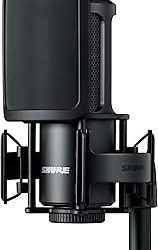
Shure SM58
As an Amazon Associate we earn from qualifying purchases at no extra cost to you.

Spec line: Shure SM58 Pro XLR dynamic vocal microphone, cardioid, for studio and live performance, podcasting and recording.
The SM58 is the widely used reference for handheld vocals, and the listing places it in studio, live, podcasting and recording work. A cardioid pattern favors the front and rejects sound from behind, which suits a desk with a noisy PC. It is a handheld-style mic, so you will want a stand or boom arm for streaming. The listing does not give frequency range or accessories, and the mic has no built-in mute or headphone output. You also need an XLR interface, which means a second purchase. That extra step is the trade-off for a mic that works across voice, stage and instruments.
- Pro: cardioid dynamic pickup
- Pro: listed for studio, live and podcasting
- Pro: simple, uncomplicated design
- Con: needs an XLR interface
- Con: no mute or headphone jack
RODE PodMic

Spec line: RODE PodMic cardioid dynamic broadcast microphone, XLR, internal pop filter, shock mounting, broadcast dynamic capsule, all-metal build; requires an XLR interface or mixer.
The PodMic is built for talk, and the listing backs that up with an internal pop filter, shock mounting and an all-metal body. Those features reduce plosive pops and desk bumps without extra gear. It is aimed at podcasting and broadcast voice, and it sits at the top of this price range. The catch is stated in the listing: it requires an XLR interface or mixer. With a dynamic mic you also need a preamp with enough gain, so check the interface specs. For talk-heavy streams and interviews, the PodMic is a strong pick if you already own an interface.
- Pro: internal pop filter and shock mounting
- Pro: all-metal build
- Pro: broadcast dynamic capsule
- Con: requires an XLR interface or mixer
- Con: highest tier in this list
Samson Q2U
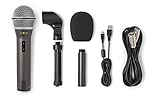
Spec line: Samson Q2U USB/XLR dynamic microphone, recording and podcasting pack.
The Q2U is the practical starter. The listing names both USB and XLR outputs, so you can plug it into a PC today and move to an interface later without replacing the mic. It is sold as a recording and podcasting pack, which suggests accessories are included, though the contents are not itemised in the listing text, so confirm them on the maker page. The mic is handheld in style, so a stand or arm helps for desk use. The compromise is that the listing does not mention mute or headphone monitoring on the mic itself, so you need to handle those in software or hardware.
- Pro: USB and XLR outputs
- Pro: sold as a podcasting pack
- Pro: easy to upgrade into an XLR setup
- Con: pack contents not itemised
- Con: monitoring controls not listed
FIFINE AmpliTank K688

Spec line: XLR/USB dynamic microphone for podcast recording and PC, metal body, mute, headphone jack, monitoring volume control, windscreen, for vocals, voice-over and gaming.
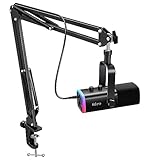
The K688 has the richest control set of the hybrid mics. The listing includes a mute button, a headphone jack, monitoring volume control and a windscreen, so you can listen to yourself in real time and cut the mic with one touch. Those controls suit a streamer who wants everything on the mic body. USB and XLR outputs again give an upgrade path. The downsides are a heavier-looking desk presence and less brand history than Shure, so driver and warranty details are worth checking on the maker page. It is the best fit here for a gaming desk that needs live monitoring.
- Pro: mute, headphone jack and monitoring volume
- Pro: USB and XLR outputs
- Pro: windscreen listed
- Con: less established brand
- Con: stand details not given
MAONO HD300T

Spec line: USB and XLR dynamic podcast microphone for PC and audio interface, with volume control, headphones jack, stand and pop filter, for podcasting, recording, streaming, vocals and home studio.
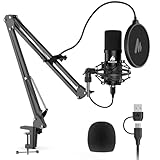
The HD300T is the kit-style option. The listing includes a desktop stand and a pop filter, so it is ready to use on arrival, and a volume control plus headphone jack handle monitoring. USB or XLR gives the same upgrade path as the Samson and FIFINE. For someone building a first podcast desk, the bundled stand and filter reduce shopping for small parts. The compromise is that the listing does not provide capsule or frequency details, and a bundled stand tends to be less flexible than a boom arm. If your desk is deep enough, it is a convenient all-in-one.
- Pro: stand and pop filter included
- Pro: headphone jack with volume control
- Pro: USB or XLR output
- Con: capsule specs not listed
- Con: desk stand limits placement
Sennheiser XS 1

Spec line: Sennheiser XS 1 handheld dynamic microphone, black.
The XS 1 is a handheld dynamic mic from a respected audio maker, and it is the simplest pick on the list. The listing offers the model name and the dynamic, handheld description only, so cable type, pattern and accessories need a maker-page check. It suits spoken word, karaoke-style use and simple recordings where you hold or stand-mount the mic. It does not include the USB or monitoring conveniences of the hybrid models, and it will need an interface or mixer. Choose it when you value the brand and a handheld shape over built-in controls.
- Pro: handheld dynamic design
- Pro: from a respected audio brand
- Pro: simple and uncluttered
- Con: pattern and cable not listed
- Con: no USB or monitoring controls
How to Choose Under $100
Pick the connection first
If you do not own an interface, choose a hybrid like the Samson Q2U, FIFINE K688 or MAONO HD300T. If you already own one, the SM58 and PodMic are strong XLR picks. Dynamic mics need a preamp with enough gain, so check the interface rating before pairing a quiet mic with a basic box. As a rule, a dynamic mic works best when you speak within a few centimetres of it, because the capsule is less sensitive than a condenser. That closeness is what gives the focused, room-free sound people expect from podcasts and streams, so plan for an arm or a stand that holds the mic near your mouth.
Dynamic microphones for home office
A dynamic mic rejects keyboard clatter and room echo better than most condensers. For calls, a USB model with a mute button, such as the FIFINE K688, is convenient. Sit about a hand-width from the mic and talk across, not directly into, the capsule.
Dynamic microphones for small spaces
In a small, echoey room a dynamic mic is a good fit because it picks up less of the room. Use a boom arm or the bundled stand to bring it close, and add a windscreen or pop filter to tame breath noise.
Dynamic microphones for gaming
Gamers benefit from monitoring and mute. The FIFINE K688 and MAONO HD300T list a headphone jack and volume control, so you can hear yourself without delay. Hearing your own voice helps you control volume and avoid shouting over a loud match. Keep the mic below your mouth line and off to one side to avoid breath blasts.
A quick decision matrix
No interface yet: Samson Q2U, FIFINE K688 or MAONO HD300T. Interface already owned: Shure SM58 or RODE PodMic. Gaming monitoring: FIFINE K688. Podcast desk with stand and filter included: MAONO HD300T. Handheld use: Sennheiser XS 1. Add the interface if the mic is XLR-only, and weigh the total against your plan. A worked example: if you want a mic, an interface, a cable and an arm, write each item down and note which ones the listing says are included. The MAONO HD300T lists a stand and pop filter, the FIFINE K688 lists a windscreen, and the Shure SM58 and Sennheiser XS 1 list none, so the bare-bones mics need the most extras. Remember a pop filter or windscreen is inexpensive insurance against plosive pops on any of these, even where the listing does not mention one. This list shows the real total before you spend.
FAQ
Are dynamic mics better than condensers for gaming?
Often, yes. Dynamic mics reject more room and keyboard noise, so they usually sound cleaner in untreated rooms. Condensers capture more detail but pick up more of the surroundings.
Do dynamic mics need phantom power?
No. Dynamic microphones do not need 48V phantom power, unlike most condenser mics. They do need a preamp with enough gain, which most interfaces supply, so check the interface gain rating.
Which is best for a home office?
A USB model with mute and headphone monitoring, such as the FIFINE K688 or MAONO HD300T, is easiest. Plug in, set your levels and talk, then use the mute button for calls.
Which suits a small room?
Any dynamic mic helps, because it picks up less echo. The Samson Q2U and PodMic both pair a dynamic capsule with a simple setup, which suits a bedroom or spare-room desk.
Can I use an XLR dynamic mic without an interface?
No. XLR mics need an interface or mixer. Hybrid mics with USB output connect straight to a PC.
Last updated: November 2026
FAQ
Are dynamic mics better than condensers for gaming?
Do dynamic mics need phantom power?
Which is best for a home office?
Which suits a small room?
Can I use an XLR dynamic mic without an interface?
More from Amazon
Programs that pair well with the guide above. Offers and eligibility are set by Amazon and may change.
Free shipping on eligible items, Prime Video and more. Eligible new members can start with a free trial.
Start a Prime free trialAd-free music streaming. Eligible new subscribers can start with a free trial.
Try Music Unlimited freeA Prime membership for ages 18-24 with a trial period. Eligibility is set by Amazon.
See Prime for Young AdultsAudiobooks and podcasts to listen to on the go. Eligible new members can start with a free trial.
Try Audible freeAs an Amazon Associate we earn from qualifying purchases.