Key takeaways
- 8–10 inch stands: fit 6–8 inch cakes, cheesecakes, and single pies. Ideal for small kitchen counters.
- 11–12 inch stands: the sweet spot for standard 8–10 inch cakes, layer cakes, and stacked cupcakes. Roughly 70% of home baking lands here.
- 13–16 inch stands: needed for wedding tiers, quarter-sheet equivalents, or when you want room to decorate at the edge without tipping.
The best cake stands balance diameter, height, material, and stability against what you actually need: display, serving, or storage. For most home bakers, a 10–12 inch diameter stand with a weighted foot covers single-tier cakes and cupcakes; commercial decorators working with stacked tiers should look at 13–14 inch tops with wide, non-slip bases.
Our top picks

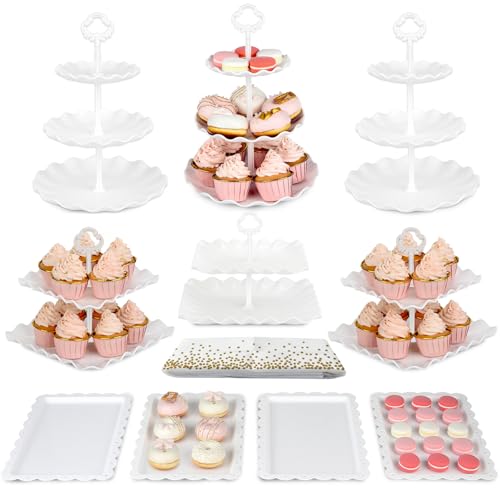


As an Amazon Associate we earn from qualifying purchases at no extra cost to you. Ratings are shown as listed on Amazon.
Start With Diameter: Match the Stand to the Cake Board
Diameter is the spec most buyers underestimate. A cake board adds 1–2 inches of visible margin around the cake itself, so the stand top must be at least as wide as your board, not your cake.
- 8–10 inch stands: fit 6–8 inch cakes, cheesecakes, and single pies. Ideal for small kitchen counters.
- 11–12 inch stands: the sweet spot for standard 8–10 inch cakes, layer cakes, and stacked cupcakes. Roughly 70% of home baking lands here.
- 13–16 inch stands: needed for wedding tiers, quarter-sheet equivalents, or when you want room to decorate at the edge without tipping.
A quick sizing calculation: cake diameter + 4 inches = minimum stand top if you want space for borders and serving tools; +2 inches is enough for a snug display. So an 8-inch birthday cake wants a 10–12 inch stand, not a 10-inch.
Height Affects More Than Looks
Pedestal height changes both the presentation and the practical workflow:
- Low stands (under 4 inches): stable, easy to frost on, and fit under most standard cake domes and refrigerators.
- Mid-height (4–8 inches): the classic pedestal profile. Lifts a cake to eye level on a buffet and keeps piping angles comfortable.
- Tall stands (8+ inches): dramatic display for cakes on crowded dessert tables, but harder to transport and more tippy with heavy cakes unless the base is weighted.
One rule that saves regret: measure the clearance between your counter and upper cabinets. Many 12-inch-tall pedestals don’t fit under 18-inch cabinet clearance once a 5-inch cake sits on top.
Material: Weight, Cleanup, and Durability
Material determines stability, care requirements, and how the stand photographs — which matters more than ever for bakeries that shoot products for social feeds.
| Material | Typical Weight | Dishwasher Safe | Stability | Price Range | Best For |
|---|---|---|---|---|---|
| Stoneware/porcelain | 3–5 lbs | Usually yes | High — self-weighted | $25–$70 | Everyday display and serving |
| Glass (pressed) | 2–4 lbs | Yes | Medium — check base width | $15–$50 | Classic look, budget display |
| Glass (milk/opal) | 2.5–4 lbs | Hand wash recommended | Medium | $30–$90 | Vintage-style bakeries |
| Stainless steel | 2–4 lbs | Yes | High with rubber base | $30–$80 | Commercial kitchens, outdoor events |
| Acrylic | 1–2 lbs | Hand wash only | Low — needs heavy cake | $10–$40 | Tiered cupcake towers, transport |
| Marble/heavy stone | 7–12 lbs | Hand wash only | Very high | $60–$150 | Decorating turntables, premium display |
| Wood/mango wood | 1.5–3 lbs | No — wipe clean | Medium-high | $25–$80 | Rustic events, cheese boards |
Weight is the hidden stability spec. A stand under 2 lbs will wobble when you press an offset spatula against a cold buttercream cake. For active decorating (not just display), look for at least 3.5 lbs of stand weight or a base diameter within 2 inches of the top diameter.
Stability Checklist Before You Buy
These checks separate display-grade stands from wobbly ones:
- Base-to-top ratio: the foot should be at least 60–70% of the top diameter. A 12-inch top on a 5-inch foot is a tipping hazard.
- Joint construction: glued pedestals (common in glass) can separate under heavy cakes or hot water. One-piece molded or screwed-and-epoxied stems last longer.
- Weight rating: if the maker doesn’t publish one, assume an unweighted stand handles roughly 8–10 lbs — enough for a dense 10-inch layer cake but marginal for multi-tier work.
- Non-slip detail: felt or rubber pads on the foot prevent sliding on polished counters; a lip or rim on top prevents board slide during transport.
Cleaning and Storage Reality
Cleaning needs often decide whether a stand gets used weekly or sits in a cabinet:
- Dishwasher-safe stoneware and stainless steel handle buttercream and chocolate residue without scrubbing.
- Milk glass and antique-finish stands should be hand washed — high dishwasher heat can crack old glass and strip decorative glazes.
- Wood stains from berry coulis and buttercream dyes; oil it occasionally and never soak it.
- Acrylic scratches with abrasive sponges and can cloud in the dishwasher — warm water and a microfiber cloth only.
Storage tip: pedestal stands don’t stack. If cabinet space is tight, choose a stand with a removable top (some acrylic and stainless models unscrew) or a flat cake plate paired with a separate dome.
Decision Matrix: Match the Stand to Your Situation
| Your situation | Recommended spec | Why |
|---|---|---|
| Birthday cakes a few times a year | 11–12 in stoneware, 4–6 in height | Dishwasher-safe, stable, fits standard cakes |
| Home baking business / photographed products | 12 in porcelain or marble, weighted base | Stability for frosting; clean look for photos |
| Wedding or multi-tier cakes | 14–16 in stainless or heavy ceramic | Weight capacity, transport-safe construction |
| Cupcakes or dessert tables | Tiered acrylic stand | Vertical display, light to carry, easy breakdown |
| Serving plus fridge storage | Low-profile stand (under 4 in) + locking dome | Fits under shelves, keeps cake fresh, prevents odor pickup |
| Outdoor events | Stainless steel with rubber foot | Won’t crack, won’t slide, handles heat |
FAQ
Does a heavier stand really matter for decorating?
Yes. Piping pressure on chilled buttercream can shift a light stand by several degrees, ruining smooth sides and combed patterns. A 4+ lb stand or a dedicated turntable eliminates that.
Can I put a hot cake on a glass stand?
Only if it’s tempered or labeled heat-safe. Pressed glass can crack from thermal shock — let the cake cool fully first, regardless of material.
Is a domed stand worth it over a regular pedestal?
Domes protect frosted cakes for 2–3 days at room temperature and stop fridge odors during storage. The tradeoff: domes add 4–8 inches of height, so check your shelf clearance.