Key takeaways
- One-cable desk setup with charging, video, and data combined.
- 4K@60Hz output on the better single-display hubs.
- High-speed 10Gbps USB-C on the Anker Nano dock.
- Compact travel options alongside full desk docks.
What's inside
The MacBook Air is a marvel of portability, but its handful of ports becomes a bottleneck the moment you want dual monitors, wired Ethernet, and a stack of USB devices at your desk. A good dock station bridges that gap, turning a single Thunderbolt/USB-C port into a full desktop hub while charging the laptop over the same cable.
This review evaluates the leading docks and hubs for the MacBook Air, from pocketable travel adapters to full multi-display docking stations, so you can find the right balance of ports, resolution support, and price for your setup.
As an Amazon Associate we earn from qualifying purchases.


🎮 Get More From Your Setup — Free
Prime Gaming gives you free PC games every month, in-game loot, and a free Twitch channel sub — plus fast free shipping on all the gear above. New members get a 30-day free trial.
Watch: Dock Station For Macbook Air: Review & Buyer’s Guide — Video Review
Design & Build
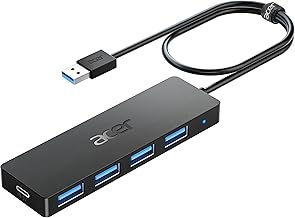
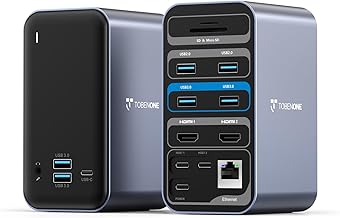
These products split into two classes. Compact hubs like the Anker 7-in-2 Mac Dock and the Anker 5-in-1 USB-C Hub are designed to travel, slim aluminum bodies that clip to the laptop or tuck in a bag. Full docks like the Anker Nano 13-in-1 with its detachable 6-in-1 hub and the PULWTOP dual-monitor stations are built to live on a desk, offering more ports, dedicated power input, and in some cases an integrated laptop stand. Build quality across the Anker and PULWTOP lineup is reassuringly solid, with metal housings that dissipate heat during long sessions.
Performance
The key spec for MacBook Air owners is display support. Apple silicon Airs natively drive only one external monitor, so dual-HDMI docks like the PULWTOP and the 9-in-1 MacBook Pro adapter rely on DisplayLink software to push a second screen, an important detail many buyers miss. The Anker 7-in-2 hits a clean 4K@60Hz on a single display with Thunderbolt 4 compatibility, ideal if one big monitor is your goal. For raw data, the 10Gbps USB-C ports on the Anker Nano and 5Gbps ports across the range keep external SSDs snappy, and 100W pass-through power keeps the Air topped up on all of these.
Pros & Cons
- One-cable desk setup with charging, video, and data combined.
- 4K@60Hz output on the better single-display hubs.
- High-speed 10Gbps USB-C on the Anker Nano dock.
- Compact travel options alongside full desk docks.
- Dual monitors need DisplayLink on Apple silicon Airs.
- Cheaper hubs can run warm under sustained 4K load.
- Port layouts vary, so verify you get the mix you need.
Alternatives to Consider
If you only ever need a single external display and a couple of ports, a slim 5-in-1 hub like the Anker 5-in-1 saves money and space over a full dock. Power users juggling many drives and three displays should step up to a Thunderbolt 4 docking station with dedicated video outputs. And if you own an Intel MacBook, you can drive dual monitors natively, making the PULWTOP dual-HDMI dock a stronger fit than on Apple silicon.
Frequently Asked Questions
Why can’t my MacBook Air drive two monitors?
Apple silicon Airs support only one native external display. Docks like the PULWTOP use DisplayLink drivers to add a second screen in software.
Will a dock charge my MacBook Air?
Yes, these hubs offer up to 100W pass-through power delivery, which comfortably charges any MacBook Air while it’s docked.
Do I need Thunderbolt, or is USB-C enough?
For most Air users, a quality USB-C hub is plenty. Thunderbolt matters mainly for daisy-chaining and the highest bandwidth external storage.
Which dock is best for travel?
The Anker 7-in-2 and 5-in-1 hubs are compact and light, making them the easiest to carry while still covering HDMI and USB.
Verdict
For a MacBook Air, match the dock to your display needs first. If one 4K monitor is your target, the Anker 7-in-2 Mac Dock is a clean, reliable pick. If you truly need dual screens, the PULWTOP dual-monitor dock delivers, provided you accept DisplayLink on Apple silicon. Travelers should grab the slim 5-in-1, while desk-bound power users get the most from the Anker Nano 13-in-1.