Key takeaways
- Platform Optimization: G.Skill offers specific “Neo” variants of the Trident Z5 series (e.g., G.SKILL Trident Z5 Neo RGB Series DDR5 RAM (AMD EXPO)) specifically tuned for AMD Ryzen processors and their EXPO profiles, ensuring optimal compatibility and performance. Corsair Vengeance kits are generally geared towards Intel XMP profiles but often show good compatibility with AMD platforms.
- Speed and Latency: While both series offer high-speed kits, Corsair Vengeance can sometimes be found with slightly higher advertised frequencies or tighter timings at comparable speeds, particularly for Intel platforms. For example, Corsair Vengeance often pushes beyond 7000MT/s, whereas many standard Trident Z5 kits top out around 6400MT/s.
- Aesthetics and RGB: Both series feature attractive designs with RGB lighting. The Trident Z5 series generally boasts a more aggressive, angular design with extensive RGB diffusion, while Vengeance tends to offer a cleaner, more minimalist aesthetic.
- Price: Historically, premium DDR5 kits from both brands are priced accordingly. However, specific speed bins and capacities can lead to price variations, making direct price comparisons on identical specifications crucial.
- Overclocking Potential: Both are enthusiast-grade, but the silicon lottery and specific ICs used can influence overclocking potential. Corsair Vengeance has a reputation for reliable high-frequency performance on Intel platforms.
What's inside
When building or upgrading a gaming PC, RAM is a critical component that directly impacts performance, especially in demanding titles and multitasking scenarios. Two names consistently rise to the top for high-performance DDR5 memory: Corsair Vengeance and G.Skill Trident Z5. Both brands offer premium kits designed to push the boundaries of speed and responsiveness, but subtle differences can make one a better fit for your specific needs and platform.
In this comparison, we’ll dive deep into what sets these two elite DDR5 RAM series apart, helping you make an informed decision for your next gaming rig in 2026. Whether you’re an Intel enthusiast or an AMD aficionado, understanding the nuances of these kits is paramount for unlocking your system’s full potential.
As an Amazon Associate we earn from qualifying purchases.


⚡ Save on Your Next PC — Amazon Prime
Prime members get fast free shipping on the systems above, plus early access to Prime Day & Black Friday PC deals. New members get a 30-day free trial.
Watch: Corsair Vengeance vs G.Skill Trident Z5 — Video Review
Quick Verdict
For Intel-dominant gaming rigs prioritizing raw speed and overclocking headroom, the Corsair Vengeance DDR5 series often edges out its G.Skill Trident Z5 counterparts due to its focus on extremely high frequencies and robust stability. However, for AMD Ryzen 7000 series users, the G.Skill Trident Z5 Neo series, optimized with AMD EXPO profiles, offers a more seamless and potent out-of-the-box experience. For those seeking a balance of performance, aesthetics, and broad compatibility, the standard G.Skill Trident Z5 RGB offers a compelling, albeit often slightly less aggressive, option.
Key Differences
- Platform Optimization: G.Skill offers specific “Neo” variants of the Trident Z5 series (e.g., G.SKILL Trident Z5 Neo RGB Series DDR5 RAM (AMD EXPO)) specifically tuned for AMD Ryzen processors and their EXPO profiles, ensuring optimal compatibility and performance. Corsair Vengeance kits are generally geared towards Intel XMP profiles but often show good compatibility with AMD platforms.
- Speed and Latency: While both series offer high-speed kits, Corsair Vengeance can sometimes be found with slightly higher advertised frequencies or tighter timings at comparable speeds, particularly for Intel platforms. For example, Corsair Vengeance often pushes beyond 7000MT/s, whereas many standard Trident Z5 kits top out around 6400MT/s.
- Aesthetics and RGB: Both series feature attractive designs with RGB lighting. The Trident Z5 series generally boasts a more aggressive, angular design with extensive RGB diffusion, while Vengeance tends to offer a cleaner, more minimalist aesthetic.
- Price: Historically, premium DDR5 kits from both brands are priced accordingly. However, specific speed bins and capacities can lead to price variations, making direct price comparisons on identical specifications crucial.
- Overclocking Potential: Both are enthusiast-grade, but the silicon lottery and specific ICs used can influence overclocking potential. Corsair Vengeance has a reputation for reliable high-frequency performance on Intel platforms.
Corsair Vengeance DDR5
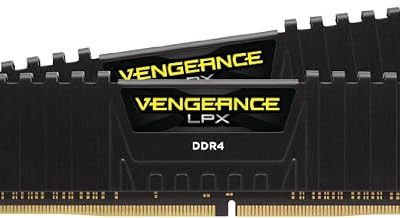
Corsair’s Vengeance line has long been a staple for gamers seeking reliable, high-performance RAM. Their DDR5 offerings continue this legacy, focusing on delivering exceptional speeds and low latencies suitable for the most demanding gaming workloads. These kits are often geared towards Intel’s XMP 3.0 profiles, providing a straightforward path to achieving advertised speeds on compatible Intel platforms. With excellent thermal management and a sleek, understated design, Vengeance kits blend form and function effectively.
Expect to find Corsair Vengeance DDR5 kits pushing well into the 7000MT/s and beyond range, often with impressive CAS latencies for those speeds. Their focus on stability at these high frequencies makes them a prime choice for Intel users looking to squeeze every ounce of performance out of their CPUs and motherboards. While often compatible with AMD, it’s always best to check motherboard QVL lists for assured compatibility.
G.Skill Trident Z5 Series
The G.Skill Trident Z5 series is synonymous with cutting-edge DDR5 performance and striking aesthetics. This line offers a broad spectrum of kits, catering to both Intel and AMD users, with specific “Neo” variants designed to fully leverage AMD’s EXPO technology. The Trident Z5 RGB variants, in particular, are known for their vibrant, customizable lighting and premium build quality, making them a popular choice for showpiece builds.
For AMD users, the G.SKILL Trident Z5 Neo RGB Series DDR5 RAM (AMD EXPO) offers a significant advantage, ensuring seamless integration and optimized performance with Ryzen processors. These kits, like the G.SKILL Trident Z5 Neo RGB Series DDR5 RAM (AMD EXPO) 64GB (2x32GB) 6000MT/s CL30-40-40-96, showcase G.Skill’s dedication to platform-specific tuning. For Intel users, the G.SKILL Trident Z5 RGB Series DDR5 RAM (Intel XMP 3.0) variants, such as the G.SKILL Trident Z5 RGB Series DDR5 RAM (Intel XMP 3.0) 32GB (2x16GB) 6400MT/s CL32-39-39-102, provide excellent high-frequency performance.
Which Should You Buy?
- For Intel Enthusiasts Prioritizing Maximum Speed: Corsair Vengeance DDR5 is often the go-to for those chasing the highest possible frequencies and aggressive overclocking on Intel platforms.
- For AMD Ryzen 7000 Series Users: G.Skill Trident Z5 Neo RGB series is the clear winner. Its EXPO optimization ensures the smoothest installation and best performance with AMD CPUs.
- For a Balanced Build with Stunning Aesthetics: The standard G.Skill Trident Z5 RGB series offers a fantastic combination of high performance, wide compatibility, and eye-catching RGB lighting, making it a solid choice for most users.
- For Budget-Conscious High-Performance Seekers: While both are premium, look for deals on slightly lower-speed kits (e.g., 6000MT/s) from either brand, or consider single-module kits like the G.SKILL Trident Z5 RGB Series DDR5 RAM (Intel XMP 3.0 & AMD EXPO) 16GB (1x16GB) if your motherboard supports dual-channel pooling with identical sticks later.
Frequently Asked Questions
What is the difference between XMP and EXPO?
XMP (Extreme Memory Profile) is Intel’s technology for easy RAM overclocking, while EXPO (Extended Profiles for Overclocking) is AMD’s equivalent, specifically optimized for Ryzen processors. Both allow you to load pre-configured performance profiles for your RAM without manual tweaking.
Can I use AMD EXPO RAM on an Intel system?
Yes, most AMD EXPO-certified RAM will work on an Intel system, but you’ll need to enable the XMP profile in your BIOS. Performance might not be as optimized as a native XMP kit.
Can I use Intel XMP RAM on an AMD system?
Similarly, Intel XMP RAM can often work on AMD systems, but it’s recommended to check your motherboard’s Qualified Vendor List (QVL) for guaranteed compatibility. You’ll enable the XMP profile in your BIOS.
Is higher MT/s always better?
Higher MT/s (MegaTransfers per second) generally indicates faster data transfer rates. However, latency (measured in CL timings) also plays a crucial role. A kit with slightly lower MT/s but significantly tighter timings can sometimes outperform a higher MT/s kit with looser timings, especially in gaming.
Final Verdict
Both Corsair Vengeance and G.Skill Trident Z5 represent the pinnacle of DDR5 memory performance for gamers and enthusiasts. The choice between them largely hinges on your specific platform and priorities. For Intel users chasing bleeding-edge speeds, Corsair Vengeance often presents a compelling case. For AMD users seeking seamless compatibility and optimized performance, the G.Skill Trident Z5 Neo series is the undisputed champion. Regardless of your choice, investing in a high-quality DDR5 kit from either of these reputable brands will undoubtedly elevate your gaming experience.