Key takeaways
- What is your controller generation? Xbox Series X|S controllers (released in late 2020 and ongoing) have slightly smaller battery compartments and different latch configurations than older Xbox One controllers. Ensure the battery pack kit includes the correct, matching battery doors for your specific controller model. Many premium aftermarket kits solve this by shipping with four battery covers (two for Xbox Series X|S and two for Xbox One).
- Dock charging vs. direct cable charging? Decide if you want a dedicated desktop charging station where you park your controllers at the end of the night, or if you prefer a “play-and-charge” setup using a long, flexible USB-C cable connected directly to the battery pack. Docks offer a cleaner, wireless look on your media console, while direct cables are better for uninterrupted marathon sessions.
- How many active players are in your household? If you primarily play solo, a simple two-pack of batteries with a USB-C cable is highly efficient—one battery is in the controller while the other charges on the side. For multi-player households, a dual-cradle charging dock with high-capacity packs is essential to keep everyone’s controllers organized and powered simultaneously.
What's inside
- Decide These 3 Things First
- 1. Battery Capacity and True Playtime (mWh vs. mAh)
- 2. Battery Chemistry: NiMH vs. Lithium-Ion
- 3. Construction, Contacts, and Physical Fit
- 4. Interface and Connection Versatility
- 5. Price Tiers and What You Get
- 6. Safety Systems and Lifespan Certifications
- Spec Checklist
- Red Flags
- FAQ
Nothing disrupts a high-stakes gaming session or a relaxing weekend stream faster than the dreaded “Controller Disconnected” notification. While disposable AA batteries are a quick fix, they are economically and environmentally wasteful. Upgrading to a dedicated, rechargeable power setup is one of the smartest upgrades you can make for your entertainment setup. However, choosing the right power solution requires navigating a sea of confusing technical jargon, exaggerated capacity claims, and varying compatibility standards.
- Decide These 3 Things First
- 1. Battery Capacity and True Playtime (mWh vs. mAh)
- 2. Battery Chemistry: NiMH vs. Lithium-Ion
- 3. Construction, Contacts, and Physical Fit
- 4. Interface and Connection Versatility
- 5. Price Tiers and What You Get
- 6. Safety Systems and Lifespan Certifications
- Spec Checklist
- Red Flags
- FAQ
The most common mistake buyers make is purchasing based on price alone, only to find the battery pack doesn’t physically fit their specific controller generation. Another frequent misstep is failing to distinguish between milliamperes (mAh) and milliwatt-hours (mWh), which leads to unrealistic expectations about playtime. When shopping for what to look for in an xbox controller battery pack, you need to look past the flashy marketing graphics and evaluate the actual physical construction, chemistry, compatibility, and charging infrastructure.
As an Amazon Associate we earn from qualifying purchases at no extra cost to you. Product prices and availability are accurate as of the date shown and are subject to change.



As we design and optimize our home entertainment spaces in 2026, cable clutter management and device longevity are top priorities. This comprehensive guide will break down the essential specifications, engineering details, and physical factors that define a high-quality Xbox controller battery pack, helping you make an informed purchase that lasts for years.
Decide These 3 Things First
Before diving into the fine details of battery chemistry and charging speeds, you must define how the hardware will integrate into your living room or gaming desk. Answering these three questions first will immediately filter out incompatible or frustrating products:
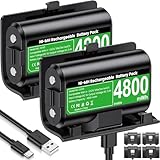
- What is your controller generation? Xbox Series X|S controllers (released in late 2020 and ongoing) have slightly smaller battery compartments and different latch configurations than older Xbox One controllers. Ensure the battery pack kit includes the correct, matching battery doors for your specific controller model. Many premium aftermarket kits solve this by shipping with four battery covers (two for Xbox Series X|S and two for Xbox One).
- Dock charging vs. direct cable charging? Decide if you want a dedicated desktop charging station where you park your controllers at the end of the night, or if you prefer a “play-and-charge” setup using a long, flexible USB-C cable connected directly to the battery pack. Docks offer a cleaner, wireless look on your media console, while direct cables are better for uninterrupted marathon sessions.
- How many active players are in your household? If you primarily play solo, a simple two-pack of batteries with a USB-C cable is highly efficient—one battery is in the controller while the other charges on the side. For multi-player households, a dual-cradle charging dock with high-capacity packs is essential to keep everyone’s controllers organized and powered simultaneously.
1. Battery Capacity and True Playtime (mWh vs. mAh)
Capacity determines how many hours of uninterrupted gaming you get on a single charge. However, manufacturers use two different units of measurement, which can confuse buyers. When researching what to look for in an xbox controller battery pack, you will see capacities listed in either milliwatt-hours (mWh) or milliampere-hours (mAh).
Milliwatt-hours (mWh) represent the total energy stored in the pack, taking voltage into account. To compare them to standard mAh ratings, you divide the mWh by the battery’s operating voltage (typically 1.2V to 2.4V for these packs). Here is how the numbers translate in the real world:
- 4800mWh (approx. 2000mAh): This is the standard mid-range capacity. It provides roughly 15 to 20 hours of continuous gameplay, depending on the controller’s vibration strength and if you have a headset plugged into the 3.5mm jack.
- 6200mWh (approx. 2500mAh to 2600mAh): These high-capacity packs represent the premium tier. They offer 25 to 35 hours of playtime. They are slightly heavier but are ideal for power users who hate frequent swaps.
Avoid any off-brand packs claiming capacities over 8000mWh in a standard AA-sized footprint; these numbers are physically impossible within current lithium-ion or NiMH safety limits and are a clear sign of misleading marketing.
2. Battery Chemistry: NiMH vs. Lithium-Ion
The chemical makeup of the cells directly affects the lifespan, charge times, and overall weight of your controller. The aftermarket market is divided between two primary chemistries:
Nickel-Metal Hydride (NiMH): This is the traditional, reliable workhorse chemistry. NiMH batteries are highly stable, resistant to thermal issues, and environmentally safer than older cadmium batteries. However, they are heavier (adding about 45 to 50 grams to the controller) and suffer from self-discharge, meaning they slowly lose power when left sitting on a shelf. They also take longer to charge, typically requiring 4 to 5 hours for a full cycle.
Lithium-Ion (Li-ion) or Lithium-Polymer: These are modern, lightweight cells. A lithium-ion pack typically weighs only 30 to 35 grams, keeping your controller feeling light and reducing wrist fatigue during long play sessions. They support fast charging (often reaching full capacity in 2 to 3 hours) and hold their charge for months when stored. They also maintain a consistent voltage output until they are completely depleted, preventing controller disconnects or lagging vibration motors as the battery runs low.
3. Construction, Contacts, and Physical Fit
A battery pack must fit perfectly inside the battery bay of your controller. A pack that is even a fraction of a millimeter too large can cause the plastic back cover to bulge, creak, or pop off during intense gameplay. Conversely, a pack that is too small will rattle, causing momentary power losses and disconnecting your controller mid-game.
Pay close attention to the contact plates on the battery pack. Premium packs utilize gold-plated or nickel-plated brass contacts. Gold plating prevents oxidation and corrosion over time, ensuring a clean, low-resistance electrical connection. Cheap copper contacts can tarnish, leading to charging failures or intermittent power delivery.
Additionally, check the design of the replacement battery doors included in the kit. The latches should feel sturdy and click firmly into place. The plastic should have a textured finish that matches the matte, slightly grippy surface of OEM Xbox controllers, maintaining the aesthetic and tactile integrity of your gamepad.
4. Interface and Connection Versatility
How the battery receives power is a major factor in convenience and durability. Look for these three primary charging interfaces:
- Direct USB-C Port: Many modern rechargeable packs feature a built-in USB-C port directly on the battery housing. This allows you to plug a cable straight into the battery itself, even when it is outside the controller. This design is highly versatile because you do not need a specialized dock; any standard phone charger or console USB port will work.
- External Charging Dock Pins: Docks utilize exposed metal contact plates on the back of the battery door. When you rest the controller on the cradle, the pins align automatically to charge. This is incredibly convenient, but ensure the dock has weighted bases (at least 150 to 200 grams) or micro-suction pads so it does not slide around your desk when you dock or undock the controller.
- Proprietary Dongles: Avoid systems that require you to plug a separate, tiny USB dongle into the top of your controller to facilitate dock charging. These dongles are easy to lose, look unsightly, and put unnecessary strain on the controller’s native USB port.
5. Price Tiers and What You Get
The market for Xbox battery packs is highly competitive, structured into three distinct price tiers based on capacity, charging methods, and build quality:
- Budget ($15 – $20): Typically includes two 4800mWh NiMH battery packs, a basic split USB charging cable, and compatible battery covers. These are functional and reliable but lack advanced charging stations or premium cosmetic finishes.
- Mid-Range ($20 – $30): This tier introduces dual-charging docks, often with LED charge indicators. Batteries in this range are usually 4800mWh to 5500mWh. It is the sweet spot for casual gamers looking for a clean desktop setup.
- Premium ($30 – $40+): Offers high-capacity 6200mWh lithium-ion cells, premium weighted charging stations with smart LED displays, and fast-charging capabilities (under 3 hours). These kits also feature robust safety chips and include extensive compatibility options for all Xbox One and Series X|S controllers.
6. Safety Systems and Lifespan Certifications
Because battery packs rest directly in your hands, safety is paramount. Low-quality lithium-ion or NiMH batteries can overheat, swell, or leak, potentially destroying a $60+ controller or posing a fire hazard. Look for products that explicitly list safety certifications from recognized testing bodies, such as UL (Underwriters Laboratories), CE, FCC, and RoHS compliance.
A quality battery pack should feature an integrated protection circuit board (PCB) that manages four critical safety aspects:
- Over-Charge Protection: Automatically stops drawing current once the battery reaches 100% capacity, preventing heat buildup and cell degradation if left on a charger overnight.
- Over-Current/Short-Circuit Protection: Instantly cuts power if a short circuit occurs, protecting both the battery and your controller’s internal boards.
- Over-Temperature Protection: Temporarily halts charging or discharging if the battery temperature exceeds safe operating limits (typically around 113°F / 45°C).
In terms of lifespan, look for packs rated for at least 500 to 1,000 charge cycles before dropping to 80% of their original capacity. A high-quality set of batteries should easily last 3 to 5 years of regular, daily gaming.
Spec Checklist
Use this quick reference table to compare specifications across the three major market tiers before making your final selection:
| Specification | Budget Tier ($15 – $20) | Mid-Range Tier ($20 – $30) | Premium Tier ($30 – $40+) |
|---|---|---|---|
| Capacity per Pack | 4000mWh – 4800mWh | 4800mWh – 5500mWh | 6200mWh+ |
| Battery Chemistry | NiMH (Nickel-Metal Hydride) | High-grade NiMH or Li-ion | Lithium-Ion / Li-Polymer |
| Charging Method | Direct USB-C Cable | Dual Charging Dock (Basic) | Smart Fast-Charging Dock |
| Charge Time | 4.5 – 5.5 Hours | 3.5 – 4.5 Hours | 2.5 – 3 Hours |
| Battery Weight | ~45g – 50g | ~40g – 45g | ~30g – 35g |
| In-Game Lifespan | 12 – 15 Hours | 15 – 22 Hours | 25 – 35 Hours |
| Safety Protections | Basic Over-charge | Over-charge, Over-current | Full PCB Protection Suite |
Red Flags
When browsing aftermarket options, be on the lookout for these warning signs that indicate poor manufacturing or safety hazards:
- Exaggerated Capacity Ratings: Any AA-sized battery pack claiming 8000mWh to 10000mWh is a major red flag. These numbers violate physical density limits for consumer-grade cells and indicate low-quality components with falsified labels.
- Vague Compatibility Claims: If a listing states “fits all Xbox controllers” but does not explicitly mention sending separate battery doors for both Xbox One and Xbox Series X|S, the covers will likely not fit your controller.
- Lack of Safety Certifications: Avoid any battery packs or charging docks that do not carry UL, FCC, or CE marks. Uncertified lithium-ion chargers can be extremely dangerous.
- Unusually Light Docks: If a charging station weighs less than 100 grams, it is likely made of cheap, thin plastic. It will slide around your desk, requiring two hands to dock or undock your controller.
- No Over-Charge Protection: If the manufacturer warns that you must unplug the charger as soon as the battery is full to prevent damage, avoid it. Modern charging systems must handle this automatically.
FAQ
Can I use these battery packs with the Xbox Elite Series 2 controller?
No. The Xbox Elite Series 2 controller features an integrated, non-removable internal rechargeable battery that charges via an included USB-C cable or its dedicated magnetic dock. These replacement battery packs are designed only for standard Xbox Series X|S controllers, Xbox One controllers, and the original Xbox Elite Series 1 controller, all of which feature a physical, removable rear battery door.
Is it better to charge the battery inside the controller or externally?
Charging externally (either on a dedicated dock or by plugging a USB-C cable directly into the battery pack itself) is generally safer and protects your controller’s internal USB port from wear and tear. Constant plugging and unplugging can wear down the controller’s main USB port over time. Utilizing a dock or external charging station minimizes physical strain on the controller.
What is the difference between mAh and mWh on battery listings?
Milliampere-hours (mAh) measure electrical charge capacity, while milliwatt-hours (mWh) measure total energy capacity, factoring in voltage (mWh = mAh × Voltage). Because different battery chemistries operate at different voltages (such as 1.2V for NiMH and 3.7V for Li-ion), mWh is a much more accurate unit of measurement for comparing the actual running time of different battery packs.
Why do some battery packs come with four different battery covers?
Microsoft altered the size of the battery compartment and the placement of the locking tabs between the Xbox One and Xbox Series X|S controller generations. Because of this, an Xbox One battery cover will not fit an Xbox Series X|S controller, and vice versa. Manufacturers include two of each cover style in the box so that their battery packs can be used seamlessly regardless of which controller generation you own.