Key takeaways
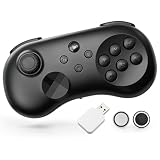
- The First-Party Path: Purchasing a Nintendo Switch Pro Controller for $55.97 or the newer Nintendo Switch™ 2 Pro Controller for $89 represents a stable initial investment. Because of their exceptional build quality, these controllers easily survive physical drops. However, if your household plays intensive games daily, there is a moderate chance the analog sticks will develop drift within 3 to 4 years. This may require a replacement or a repair kit, bringing your 5-year estimated cost per controller to approximately $90 to $140.
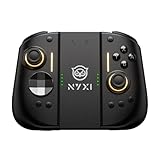
- The Premium Third-Party Path: Choosing a high-end alternative like the NYXI Hyperion 3 variants (ranging from $89.99 to $135.99) requires a larger upfront investment. However, because these devices use Hall Effect joysticks and mechanical buttons rated for millions of clicks, their physical wear over five years is negligible. You are highly unlikely to experience drift or button failure, keeping your 5-year cost stable at the initial purchase price of $90 to $136.
- The Budget Third-Party Path: Opting for cheap, entry-level third-party wireless controllers (typically priced around $25 to $35) can be tempting. However, these budget options often use cheaper plastic shells, lower-grade batteries that degrade quickly, and standard analog sticks prone to early drift. Over five years, you may find yourself replacing a cheap controller two or three times, resulting in a cumulative cost of $75 to $105, along with the hassle of extra electronic waste in your home.
What's inside
For many households, the living room is no longer just a place to host guests or watch movies; it is an active entertainment hub. If your family spends evenings exploring virtual worlds, the choice of gaming peripherals directly impacts both your leisure time and your home’s organization. A cluttered media console overflowing with tangled cords and mismatched accessories can disrupt the clean, curated aesthetic of a modern living space.
When selecting input devices for your console, the primary decision comes down to a classic debate: the official Nintendo Switch Pro Controller vs third party wireless controller alternatives. The right choice is not just about button response times; it is about how the device fits into your daily life. Does it require a dedicated charging dock that clutters your side table, or does its battery last long enough to stay tucked away in a drawer for weeks? Does its design complement your mid-century modern credenza, or does it stand out with aggressive, bright LED lighting? Making the right choice for your household in 2026 requires balancing ergonomics, style, durability, and cost.
As an Amazon Associate we earn from qualifying purchases at no extra cost to you. Product prices and availability are accurate as of the date shown and are subject to change.


Quick Verdict
If you prioritize a minimalist home aesthetic, seamless plug-and-play reliability, and an industry-leading 40-hour battery life that keeps charging cables out of sight, the official first-party controllers are your best choice. However, if you want to eliminate stick drift permanently, prefer tactile mechanical switches, or need customizable back buttons for different family members, modern third-party controllers offer superior technical features and physical customization for a similar—or sometimes premium—investment.
Side by Side
To help you visualize how these devices compare in a home environment, here is a breakdown of their physical characteristics, maintenance needs, and design footprints.
| Feature | Nintendo Switch Pro Controller (First-Party) | Third-Party Wireless Controllers |
|---|---|---|
| Comfort & Ergonomics | Standard offset layout, smooth matte finish, comfortable for medium to large hands (approx. 246g). | Highly variable; options range from compact travel sizes to wide, ergonomic split-pad designs with textured grips. |
| Durability & Build | High-impact polycarbonate shell; resilient to drops on hardwood floors; standard analog sticks may drift over time. | Often features Hall Effect joysticks (magnetic, drift-free) and robust mechanical switches with tactile click feedback. |
| Price Range | $55.97 to $89.00 | $30.00 to $135.99+ |
| Maintenance | Low maintenance; wipe with a dry microfiber cloth; occasional analog stick cleaning required. | Low to medium; RGB lighting settings may require firmware updates; modular parts may need occasional adjustment. |
| Space Needed & Storage | Compact footprint (approx. 4.1″ x 6.0″ x 2.4″); fits easily in shallow media console drawers. | Varies; split designs or models with built-in tablet grips require more storage tray space. |
| Look & Aesthetic | Understated, semi-translucent dark gray; blends naturally into minimalist and contemporary living rooms. | Ranging from retro nostalgic colors to bold neon designs with customizable RGB LED light strips. |
| Resale Value | Excellent; first-party Nintendo accessories retain value well on the secondary market. | Moderate to poor; third-party brands depreciate quickly unless they are highly sought-after premium models. |
| Best For | Clutter-free living rooms, casual multiplayer, and users who hate constant charging. | Dedicated gaming setups, competitive players, and those looking for drift-resistant hardware. |
Where Nintendo Switch Pro Controller Wins
The first-party ecosystem excels when it comes to seamless integration into your home. The classic Nintendo Switch Pro Controller (priced at $55.97) and the next-generation Nintendo Switch™ 2 Pro Controller (priced at $89) offer a level of system compatibility that third-party alternatives struggle to match. They can wake the console from sleep mode instantly with the press of a single button, eliminating the need to get up and manually turn on the console at your media center.
From an interior design standpoint, first-party controllers are beautifully understated. Their dark gray, semi-translucent shells do not compete for visual attention on an open shelf or coffee table. Furthermore, the legendary battery life of these controllers is a major advantage for home organization. With up to 40 hours of playtime on a single charge, you do not need to leave charging cradles or unsightly USB cables permanently draped across your furniture. You can use them for weeks, then tuck them away in a drawer when they are not in use.
Finally, first-party controllers include native support for HD Rumble and Amiibo scanning (via built-in NFC readers). These features are often omitted or poorly replicated in budget third-party alternatives, ensuring that your family enjoys games exactly as the developers intended.
Where Third Party Wireless Controller Wins
Third-party wireless controllers shine when it comes to technological innovation, physical customization, and solving long-term wear issues. The most significant advantage of modern third-party options is the integration of Hall Effect joysticks. Unlike traditional joysticks that rely on physical contact sensors (which eventually wear down and cause “stick drift”), Hall Effect joysticks use magnets to detect movement. This means they virtually never drift, saving you from having to replace controllers every couple of years.
For example, the NYXI Hyperion 3 Switch 2 Controller–World’s First Third-Party Wireless Controller for Switch 2, 9-Axis Gyro, Hall Effect Joystick, Full Mechanical Buttons, Dual Back Buttons & Adjustable Vibration (priced at $89.99) showcases how much utility can be packed into a third-party option. It features a 9-axis gyro for precise motion controls, programmable rear buttons that let you map complex inputs, and adjustable vibration motors to customize physical feedback.
For gamers seeking a premium, high-performance experience, the advanced edition of the NYXI Hyperion 3 Switch 2 Controller–World’s First Third-Party Wireless Controller for Switch 2, Hall Effect Joystick, 9-Axis Gyro, Full Mechanical Buttons, Adjustable Vibration, Dual Back Button (priced at $135.99) offers exceptional build quality, mechanical microswitch buttons that mimic the satisfying click of a high-end mouse, and superior ergonomics. These third-party options allow users to customize their controller’s physical shape, choose vibrant color schemes that match specific room decor, and map custom back buttons to make gaming more accessible for players of all ages and hand sizes.
Cost Over 5 Years
When budgeting for home entertainment, looking at the total cost of ownership over five years reveals different financial paths depending on your choice:
- The First-Party Path: Purchasing a Nintendo Switch Pro Controller for $55.97 or the newer Nintendo Switch™ 2 Pro Controller for $89 represents a stable initial investment. Because of their exceptional build quality, these controllers easily survive physical drops. However, if your household plays intensive games daily, there is a moderate chance the analog sticks will develop drift within 3 to 4 years. This may require a replacement or a repair kit, bringing your 5-year estimated cost per controller to approximately $90 to $140.
- The Premium Third-Party Path: Choosing a high-end alternative like the NYXI Hyperion 3 variants (ranging from $89.99 to $135.99) requires a larger upfront investment. However, because these devices use Hall Effect joysticks and mechanical buttons rated for millions of clicks, their physical wear over five years is negligible. You are highly unlikely to experience drift or button failure, keeping your 5-year cost stable at the initial purchase price of $90 to $136.
- The Budget Third-Party Path: Opting for cheap, entry-level third-party wireless controllers (typically priced around $25 to $35) can be tempting. However, these budget options often use cheaper plastic shells, lower-grade batteries that degrade quickly, and standard analog sticks prone to early drift. Over five years, you may find yourself replacing a cheap controller two or three times, resulting in a cumulative cost of $75 to $105, along with the hassle of extra electronic waste in your home.
Which One for Your Home
Every household has unique space constraints, aesthetic preferences, and daily routines. Here is how to choose the right controller for your specific living situation.
Small Apartment
In a small apartment, space is at a premium and multifunctional furniture is key. You want to avoid visual clutter at all costs. The first-party Nintendo Switch Pro Controller is ideal here. Its compact dimensions mean it easily slips into a decorative storage basket, a shallow drawer, or behind a book on a shelf. Because its battery lasts up to 40 hours, you do not need to dedicate precious outlet space near your TV to a permanent charging dock; you can simply charge it once a month using an existing phone charger.
Family with Kids and Pets
If your living room doubles as a playroom, your controllers will inevitably experience drops onto hard flooring, spilled juice, and rough handling. The first-party controllers are built like tanks; their thick polycarbonate shells are designed to withstand significant impacts without cracking. However, if your children play daily, standard analog sticks are highly susceptible to wear and drift. In this scenario, a durable third-party option like the NYXI Hyperion 3 ($89.99) is an excellent alternative. Its Hall Effect joysticks prevent drift from aggressive play, and its textured, ergonomic grips make it easier for smaller hands to hold securely, reducing the likelihood of accidental drops.
Rental
Renters often have to deal with awkward living room layouts, limited electrical outlets, or media setups that are far from the sofa. In these spaces, reliable wireless range and flexible charging options are essential. Third-party controllers that charge via standard USB-C cables and offer customizable sleep-timer settings are highly practical. If you move frequently, having a versatile controller that can easily connect to both your console and a laptop or streaming device can save you from packing multiple accessories.
Long-Term Home
For homeowners with a dedicated media room, custom shelving, and a curated entertainment center, aesthetics and long-term durability are paramount. The premium design of the Nintendo Switch™ 2 Pro Controller ($89) fits beautifully into high-end media setups, matching the clean lines of modern receivers and smart home hubs. Alternatively, if your media room has custom LED accent lighting, a premium third-party controller like the NYXI Hyperion 3 ($135.99) can be programmed with matching light profiles, turning your gaming gear into a cohesive part of your room’s overall design.
FAQ
Do third-party wireless controllers have the same battery life as the official Pro Controller?
Generally, no. The official Nintendo Switch Pro Controller is famous for its exceptional battery life, offering up to 40 hours of playtime on a single charge. Most third-party wireless controllers offer between 10 to 20 hours of battery life. This is because third-party models often feature extra power-consuming components like RGB light strips, programmable back paddles, and mechanical buttons.
Will a third-party wireless controller wake my Switch console from sleep mode?
Many modern, high-quality third-party controllers, such as the NYXI Hyperion 3 series, include a home-button wake feature that can turn on your console remotely. However, many budget-friendly third-party options still lack this capability, meaning you will have to walk over to your media console and press the physical power button on the dock to start playing.
What are Hall Effect joysticks, and why are they better for home use?
Traditional joysticks use physical contact sensors (potentiometers) to measure movement. Over time, friction wears down these sensors, causing the console to detect movement even when you aren’t touching the stick—a problem known as “stick drift.” Hall Effect joysticks use non-contact magnetic sensors to measure position. Because there are no physical parts rubbing together, they do not wear down, making them incredibly durable and resistant to drift over years of use.
Are these controllers compatible across different console generations?
First-party controllers offer excellent backward and forward compatibility within Nintendo’s ecosystem. While third-party controllers like the NYXI Hyperion 3 series are designed with advanced compatibility for newer hardware generations, it is always important to check the manufacturer’s specifications to ensure seamless integration with your specific console models.