Key takeaways
- A router with a cap of under 50 dollars forces a hard conversation with your own network. Do you want the newest wireless standard.
A router with a cap of under 50 dollars forces a hard conversation with your own network. Do you want the newest wireless standard, or the widest coverage, or Gigabit wired ports for a desktop and console? Within that budget you rarely get all three, and the listings reflect it: older AC models with solid port layouts sit beside WiFi 6 and even WiFi 7 units that may be renewed, discounted, or priced above the cap depending on the week. The real task is to figure out which compromise suits your home.
This guide is for renters replacing a provider-supplied box, students setting up a dorm connection, and anyone whose old router has started dropping the living room signal. We compare seven routers using only what their titles state: wireless class, speed ratings, antenna and port details, and coverage claims. Because street costs shift, treat the budget tier labels loosely and confirm the live cost of a model sits under 50 dollars before you commit in 2026.
Quick Picks
Our top picks

 TP-Link AC1200 Gigabit Dual Band WiFi Router
- Dual band router upgrades to 1200 Mbps high…
- Full Gigabit Ports - Gigabit Router with 4…
- Boosted Coverage - Four external antennas equipped with…

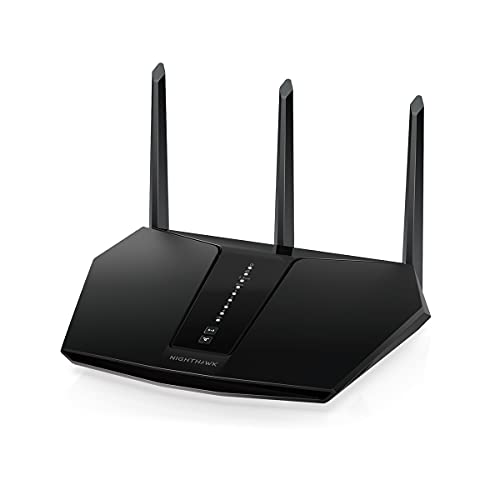

 TP-Link AX5400 WiFi 6 Router
- 𝐆𝐢𝐠𝐚𝐛𝐢𝐭 𝐖𝐢𝐅𝐢 𝐟𝐨𝐫 𝟖𝐊 𝐒𝐭𝐫𝐞𝐚𝐦𝐢𝐧𝐠
- 𝐅𝐮𝐥𝐥 𝐅𝐞𝐚𝐭𝐮𝐫𝐞𝐝 𝐖𝐢𝐅𝐢 𝟔 𝐑𝐨𝐮𝐭𝐞𝐫
- 𝐂𝐨𝐧𝐧𝐞𝐜𝐭 𝐌𝐨𝐫𝐞 𝐃𝐞𝐯𝐢𝐜𝐞𝐬
As an Amazon Associate we earn from qualifying purchases at no extra cost to you.
| Product | Best for | Key spec taken from the title |
|---|---|---|
| TP-Link AC1900 | Many devices on a dual-band network | AC1900 dual band with MU-MIMO |
| TP-Link Archer A6 AC1200 | Small homes wanting Gigabit ports | AC1200 Gigabit, 4 antennas, OneMesh and AP Mode |
| TP-Link Archer AX1450 (Renewed) | Cheapest way into WiFi 6 | WiFi 6 dual band, up to 1.45 Gbps |
| NETGEAR Nighthawk RAX30 | Larger homes with many devices | WiFi 6 AX2400, covers up to 2,000 sq. ft. |
| Tenda AC1200 | Basic browsing and guest access | AC1200 dual band, 4 Fast Ethernet ports, guest WiFi |
| TP-Link Archer AX73 | Streaming-heavy households | WiFi 6 AX5400 dual band, Gigabit |
| NETGEAR Nighthawk RS100 | Future-proofing for WiFi 7 | WiFi 7 BE3600, up to 3.6 Gbps, covers up to 2,000 sq. ft. |
How to Choose
Read the wireless label as a ceiling, not a promise
Numbers such as AC1200, AX1450, AX2400, and BE3600 add up the theoretical speeds of every radio inside the router. No single device ever sees that total. A practical rule: AC1200-class routers suit a connection of a few hundred megabits shared by a few people, WiFi 6 models help when a dozen or more devices compete for airtime, and WiFi 7 only pays off when your phones and laptops also support it. If your devices are a few years old, buying the highest standard gains you nothing today.
Check the wired ports
This is where budget models cut corners. The Tenda AC1200 lists four 100 Mbps Fast Ethernet ports, which cap a wired desktop at roughly a tenth of Gigabit speed. If your internet plan is faster than 100 Mbps, that port limit becomes the bottleneck. The TP-Link Archer A6 and Archer AX73 name Gigabit connectivity, which is the minimum to look for when a console, a PC, or a network storage drive will plug in with a cable.
Match coverage claims to your floor plan
Listings that state a coverage figure, like 2,000 sq. ft., describe an open-layout best case. Brick, concrete, and multiple floors shorten that range considerably. For a one-bedroom apartment, a modest router is fine. For a two-story house, look for multiple external antennas, as on the Archer A6, or a router with a larger coverage statement, and consider mesh compatibility such as OneMesh, which lets you add a compatible extender later.
Know what renewed and extras really mean
A renewed unit, like the Archer AX1450 here, is a refurbished product sold at a lower tier. It can be a smart way to reach WiFi 6 on a limited budget, but warranty terms differ from new stock, so read them. Ignore marketing about gaming-grade features on a router you will use for browsing and video calls. Pay attention instead to guest network support, firmware update history, and a clear app for setup.
The 7 Best Options
TP-Link AC1900 Smart WiFi Router
The AC1900 is a dual band router that lists MU-MIMO, a technology that lets the router talk to several devices at once instead of one after another. That makes it a fit for a household where a laptop, a phone, and a streaming stick are all active together. It sits in the older AC generation, so it is aimed at buyers who value speed headroom over the newest standard.
- Strength: AC1900 class rating gives more headroom than AC1200 models.
- Strength: MU-MIMO helps when multiple devices are active together.
- Trade-off: it is an older wireless generation than the WiFi 6 and WiFi 7 listings.
Skip it if your devices already support WiFi 6 and you want to take full advantage of them.
TP-Link Archer A6 AC1200
The Archer A6 puts several practical details in its title: Gigabit ports, four antennas, MU-MIMO, OneMesh, and an AP Mode. For a small home or a one-floor apartment, that is a rare mix at a modest tier. OneMesh support means a compatible TP-Link extender can be added later without replacing the router, and AP Mode lets it serve as a wireless access point behind another box.
- Strength: Gigabit ports suit wired computers and consoles.
- Strength: OneMesh and AP Mode give upgrade and repurposing options.
- Trade-off: AC1200 is a mid-level speed class compared with the WiFi 6 models.
Skip it if you need the speed class of newer WiFi 6 hardware.
TP-Link Archer AX1450 (Renewed)
This listing is a refurbished WiFi 6 dual-band router rated up to 1.45 Gbps. It is aimed at the buyer who wants the newer standard without paying the tier of a new AX73. Renewed means the unit has been inspected and resold, so confirm return and warranty terms on the listing page before relying on it.
- Strength: WiFi 6 support at a lower tier than new stock.
- Strength: dual-band design suits apartments with many nearby networks.
- Trade-off: renewed condition and a lower speed rating than the AX73 or AX2400 class.
Skip it if you prefer a brand-new unit with a full manufacturer warranty.
NETGEAR Nighthawk RAX30 (AX2400)
The RAX30 is a five-stream dual-band WiFi 6 router with an AX2400 rating of up to 2.4 Gbps and coverage listed up to 2,000 sq. ft. The five-stream design points to a router built for crowded networks, such as a family with several phones, laptops, and streaming boxes online at once. It is the most established name in this group for people who want a recognizable brand.
- Strength: WiFi 6 with a 2,000 sq. ft. coverage claim for mid-sized homes.
- Strength: five-stream dual-band design aimed at busy networks.
- Trade-off: it commonly sits above the lowest budget tier, so confirm the listing meets your cap.
Skip it if your home is small and your connection is slow enough that an AC1200 would do.
Tenda AC1200 Smart WiFi Router
The Tenda is a dual-band AC1200 router managed through a smart app, with guest WiFi support. Its title states four 100 Mbps Fast Ethernet ports, which is the honest trade-off: it covers basic browsing and video streaming for a few people, yet wired speed tops out well below Gigabit. For a spare room, a rental, or a parent's home, that may be perfectly adequate.
- Strength: app-based setup and guest WiFi suit non-technical users.
- Strength: dual-band operation separates older and newer devices.
- Trade-off: Fast Ethernet ports limit wired speed to 100 Mbps.
Skip it if you have an internet plan above 100 Mbps and plan to connect devices by cable.
TP-Link Archer AX73 (AX5400)
The AX73 pairs a WiFi 6 AX5400 rating with Gigabit dual-band performance and long-range coverage in its title. The AX5400 label is the highest WiFi 6 rating in this lineup, which attracts households that stream in several rooms. It is the sensible choice if you want a router that will not feel crowded when more devices join the network.
- Strength: AX5400 class is the strongest WiFi 6 rating listed here.
- Strength: Gigabit wired performance for desktops and consoles.
- Trade-off: it often lands above a strict cap, so verify the listing cost.
Skip it if you only need basic coverage for a small apartment.
NETGEAR Nighthawk RS100 (WiFi 7, BE3600)
The RS100 is the only WiFi 7 model on the list, rated BE3600 for up to 3.6 Gbps, with coverage up to 2,000 sq. ft. and support for 50 devices. It is a router for a buyer who wants the latest standard and has, or soon will have, WiFi 7 phones and laptops. The title is cut off after a mention of a 2.5 figure, so read the full listing to see which port or feature that refers to before buying, and keep in mind that a newer standard is the most likely model here to exceed a strict cap.
- Strength: WiFi 7 support prepares the network for newer devices.
- Strength: a stated 50-device capacity for busy households.
- Trade-off: your existing gadgets will not use WiFi 7 features, and the tier is usually higher.
Skip it if you want the lowest outlay and your devices are older.
Which One Fits Your Situation
A one-bedroom apartment with a console and a work laptop
The TP-Link Archer A6 offers Gigabit ports for the wired console and enough coverage for a small space. If you want the newer standard at a modest tier, step to the renewed Archer AX1450.
A family house with phones, tablets, and streaming sticks in every room
The NETGEAR Nighthawk RAX30 or the TP-Link Archer AX73 handles crowded networks better, and their WiFi 6 ratings are designed for exactly that situation.
A guest room or a relative's home with basic needs
The Tenda AC1200 gives guest WiFi and app setup without complication. Just remember the Fast Ethernet limit if anything will be plugged in by cable.
A buyer planning to upgrade phones and laptops soon
The NETGEAR Nighthawk RS100 prepares your network for WiFi 7 devices, so you will not need another router purchase when the new hardware arrives. The TP-Link AC1900 remains a value-minded option if upgrades are far away.
Whichever route you take, place the router in a central, elevated spot away from microwaves and thick walls. Placement often improves the signal more than moving up one wireless class, and it costs nothing. Update the firmware after setup, give the guest network its own password, and change the default admin login so the router stays secure for years.
Common Mistakes
- Treating the combined speed number as the speed any one device will reach.
- Overlooking Fast Ethernet ports when the internet plan is faster than 100 Mbps.
- Buying a WiFi 7 router without any WiFi 7 devices to use it.
- Assuming a coverage claim applies to a multi-story house with thick walls.
- Accidentally buying a cable or accessory listing while shopping for a router.
Related guides
- Logitech G Pro X Superlight 2 Vs Razer Viper V3 Pro
- Motherboard Io Panel And Back Connectors Explained
- How To Record Your Computer Screen With Audio
Frequently Asked Questions
Is WiFi 6 worth it on a tight budget?
It helps most in homes with many connected devices. If you have only a few and your plan is modest, an AC router with Gigabit ports can feel just as quick.
Will a renewed router work like a new one?
It should perform as listed, but the warranty and return window can differ. Read the seller terms before relying on a renewed unit for work-from-home use.
Do I need a router with Gigabit ports?
If your internet plan exceeds 100 Mbps or you move large files across a wired network, yes. For wireless-only use, it matters less.
What does MU-MIMO do for me?
It lets a router communicate with more than one device at the same moment instead of switching between them. The benefit shows up when several people stream or video call together.